Conakry, Guinea – Four years after the military seized power, Guineans are set to vote on Sunday in a constitutional referendum that could pave the way for elections while also allowing the country’s junta leader to run for president. The vote has been boycotted by the opposition, raising concerns about its fairness and inclusivity.
The referendum marks a long-awaited political moment for both Guineans and the international community. The country has been ruled with an iron fist by Junta Chief General Mamady Doumbouya since he overthrew elected civilian President Alpha Condé in 2021.
- Eligible voters: 6.7 million out of an estimated population of 14.5 million
- Polling hours: 8:00 am to 6:00 pm GMT on Sunday
- Expected results: Earliest by Tuesday evening, according to the electoral body
Authorities have deployed a substantial security presence to ensure the vote proceeds without major disruption:
- Personnel: 45,000 defence and security forces
- Equipment: 1,000 light and armoured vehicles, combat helicopters
The military initially pledged to return power to civilians before the end of 2024, and authorities now promise presidential and legislative elections later this year, though no specific dates have been set.
Campaigning has been one-sided:
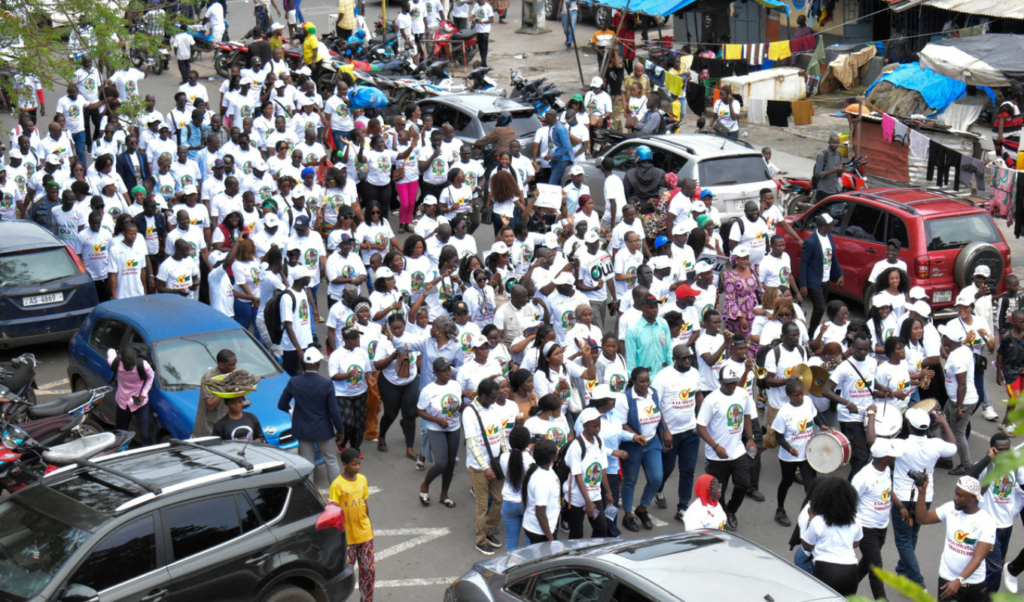
- “Yes” campaign: Rallies, marching bands, posters featuring 40-year-old Doumbouya
- “No” campaign: Mostly limited to social media, often led by critics abroad
Since 2022, the junta has:
- Banned demonstrations
- Arrested, prosecuted, or forced into exile several opposition leaders
- Suspended two major opposition parties for three months (August 23)
- Suspended media outlets and detained journalists, creating a climate of fear
The opposition has denounced the referendum as a “charade”, urging citizens to stay home.
If approved, the new constitution would:
- Replace the military’s transition charter, which previously barred junta leaders from running in elections
- Allow Doumbouya to run for president
- Establish a High Court of Justice to try presidents and government members
- Create a Senate to balance power
- Promote gender equality, mandating at least 30% female representation in decision-making and elected positions
Prime Minister Amadou Oury Bah defended the draft, stating it reflects “all the demands that Guineans have wanted in recent decades” and aspires to change and unity.
Despite its progressive elements, the draft constitution has been heavily criticised for provisions that exclude key opposition figures:
- Candidates must be 40–80 years old and maintain primary residence in Guinea
- This bars former President Alpha Condé (87, in exile in Istanbul) and opposition leader Cellou Dalein Diallo (73, in Dakar and Abidjan)
Since the 2021 coup, Guinea has been:
- Suspended from the African Union (AU)
- Excluded from Economic Community of West African States (ECOWAS) heads of state meetings
The UN Human Rights Office of the High Commissioner urged the military to ensure a peaceful and transparent referendum, noting that recent bans on political parties and media outlets raise serious concerns about free participation and inclusiveness.
Key Details Table
| Aspect | Details |
| Eligible Voters | 6.7 million (out of 14.5 million) |
| Polling Time | 08:00–18:00 GMT, Sunday |
| Security Forces | 45,000 personnel, 1,000 vehicles, combat helicopters |
| Opposition Position | Boycott, denouncing referendum as a “charade” |
| Key Constitutional Changes | Presidential run eligibility for Doumbouya, High Court of Justice, Senate, gender quotas |
| Excluded Opposition Figures | Alpha Condé (87), Cellou Dalein Diallo (73) |
| International Response | AU suspension, ECOWAS non-participation, UN Human Rights concerns |
The referendum is expected to shape Guinea’s political landscape for years, potentially solidifying Doumbouya’s hold on power while leaving the opposition largely sidelined.