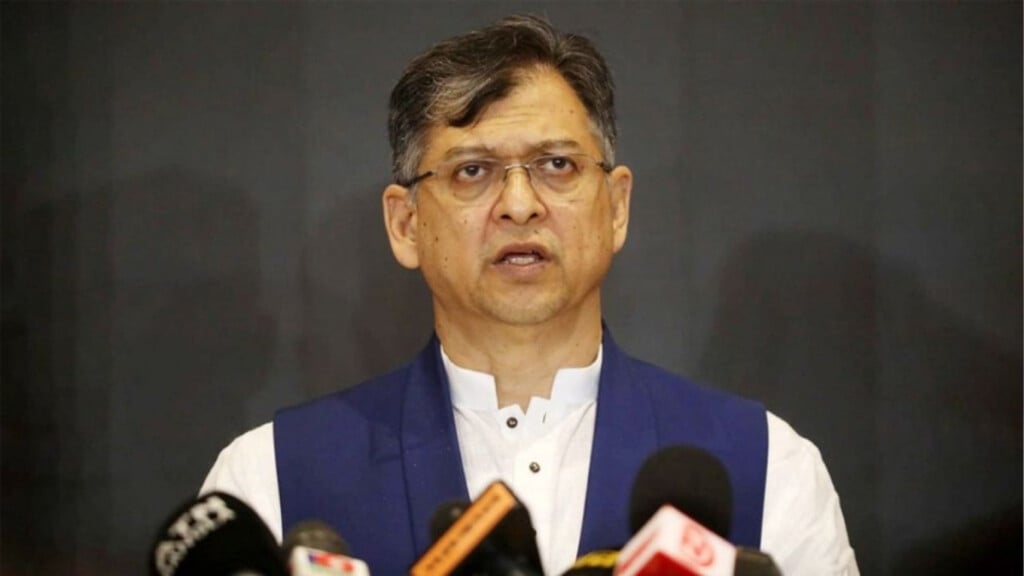
In a definitive move to restore the rule of law, the newly appointed Home Secretary, Salahuddin Ahmed, has issued a stern warning against the “mob culture” that has sporadically gripped the nation. Speaking at the Secretariat on Wednesday, 18 February 2026, following his inaugural meeting with ministry officials, the Home Secretary made it clear that the era of vigilante justice and chaotic street disruption is over.
A Mandate for Civil Order
Addressing the press after the briefing, Mr Ahmed articulated a vision for a disciplined democracy. While acknowledging the fundamental right to protest, he drew a sharp line between legitimate grievance and public disorder.
“The culture of mob rule in Bangladesh is finished,” he stated with firm resolve. “We will no longer tolerate or encourage such actions. While citizens have the right to raise demands through the appropriate channels—and democratic assemblies remain a cornerstone of our society—blocking motorways and bypassing the legal process is strictly prohibited.”
The Home Secretary’s remarks come at a pivotal moment for the new administration, which seeks to project an image of stability and institutional integrity. He emphasised that while the government respects the “democratic culture” of marches and rallies, these must not infringe upon the rights of the general public or paralyse the nation’s infrastructure.
Reforming the Police Force
A central pillar of the Secretary’s agenda is the comprehensive rehabilitation of the Bangladesh Police. Recognising that the force’s public image has been severely tarnished by past controversies, Mr Ahmed called for a shift toward community-centric policing.
“To the people of Bangladesh, the Ministry of Home Affairs is synonymous with the Police. We must transform the force into a true ‘friend of the people.’ We are committed to overcoming the failures of the past and rebuilding public trust through service and accountability.”
Transparency and Anti-Corruption Measures
The Home Secretary also laid out a “zero-tolerance” policy regarding internal misconduct. To ensure the ministry operates with maximum efficiency, he proposed several key metrics for institutional reform:
| Priority Area | Strategy for Implementation |
|---|---|
| Corruption | Establishing a “totally corruption-free” ministry with rigorous oversight. |
| Accountability | Immediate departmental inquiries into any officer suspected of criminal involvement. |
| Transparency | Clearer reporting lines and public-facing grievance mechanisms. |
| Public Safety | Ensuring motorways and economic hubs remain free from “mob” interference. |
The Secretary concluded by asserting that any member of the security forces found engaging in illegal activities would face swift and decisive disciplinary action. By fostering a culture of transparency and meritocracy, the ministry aims to ensure that “justice” is administered by the courts, not the streets.