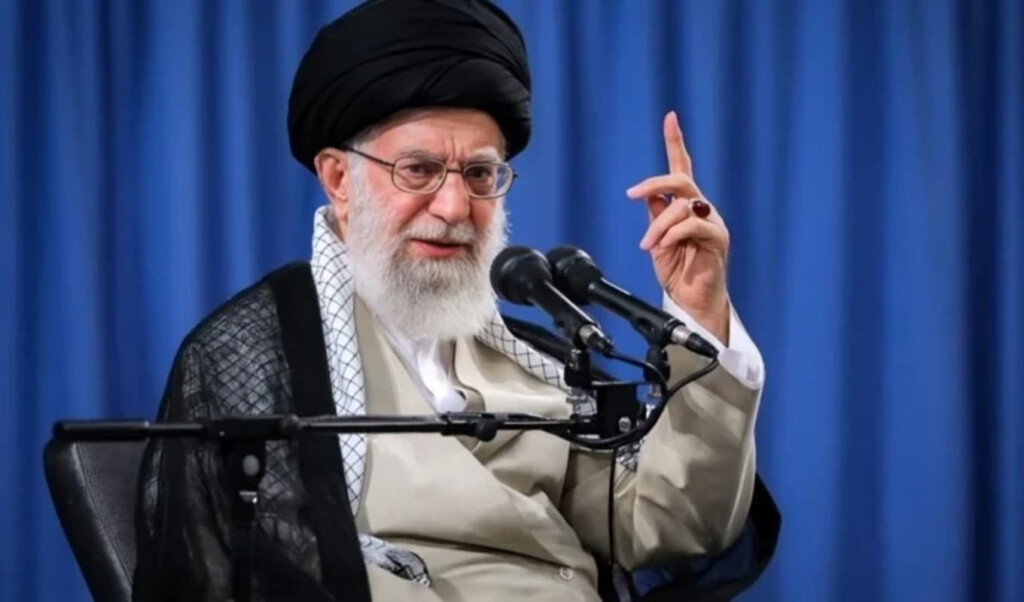
Iran has formally confirmed the death of its Supreme Leader, Ali Khamenei, following what officials have described as a targeted assault on his office in the capital, Tehran. The announcement was delivered on Sunday morning through a special state broadcast, marking a watershed moment in the Islamic Republic’s modern history.
According to the official bulletin, the attack occurred on Saturday at the Supreme Leader’s administrative compound. While the precise method of the assault and the identity of those responsible have not yet been disclosed, security agencies characterised the incident as a “premeditated and targeted operation”. Investigations are ongoing, with heightened security measures imposed across the capital and other major cities.
In a solemn televised statement, state media declared a forty-day period of national mourning. Black flags have been raised above key government buildings, and mosques nationwide have been instructed to hold special prayers and memorial gatherings. Public offices observed moments of silence, and thousands of citizens gathered in Tehran, Qom and Mashhad to express their grief.
The death had been claimed earlier on social media by former United States President Donald Trump, before Iranian authorities issued formal confirmation. The development has prompted immediate international reaction, with analysts warning that the Middle East may enter a period of renewed uncertainty.
Khamenei, born in 1939, had served as Iran’s Supreme Leader since 1989, succeeding Ruhollah Khomeini. Over more than three decades, he exercised ultimate authority over Iran’s political, military and religious institutions. His tenure encompassed pivotal moments, including regional conflicts, sustained tensions with Western powers, and negotiations surrounding Iran’s nuclear programme.
Below is a summary of key biographical and leadership details:
| Subject | Information |
|---|---|
| Full Name | Ayatollah Seyyed Ali Khamenei |
| Year of Birth | 1939 |
| Assumed Office as Supreme Leader | 1989 |
| Length of Tenure | Approximately 35 years |
| National Mourning Period | 40 days |
Under Iran’s constitutional framework, the Assembly of Experts is responsible for appointing a successor. Political observers anticipate that deliberations will commence swiftly, given the gravity of the vacancy. Discussions regarding potential candidates have already begun within political and clerical circles.
The broader geopolitical implications remain uncertain. Regional governments are closely monitoring developments, mindful of Iran’s influential role in Middle Eastern affairs. Domestically, authorities have urged calm and unity, pledging to maintain stability during the transition.
Khamenei’s death closes a defining chapter in Iran’s post-revolutionary era. The process of succession now begins, with significant consequences likely for the country’s future direction and for regional diplomacy alike.