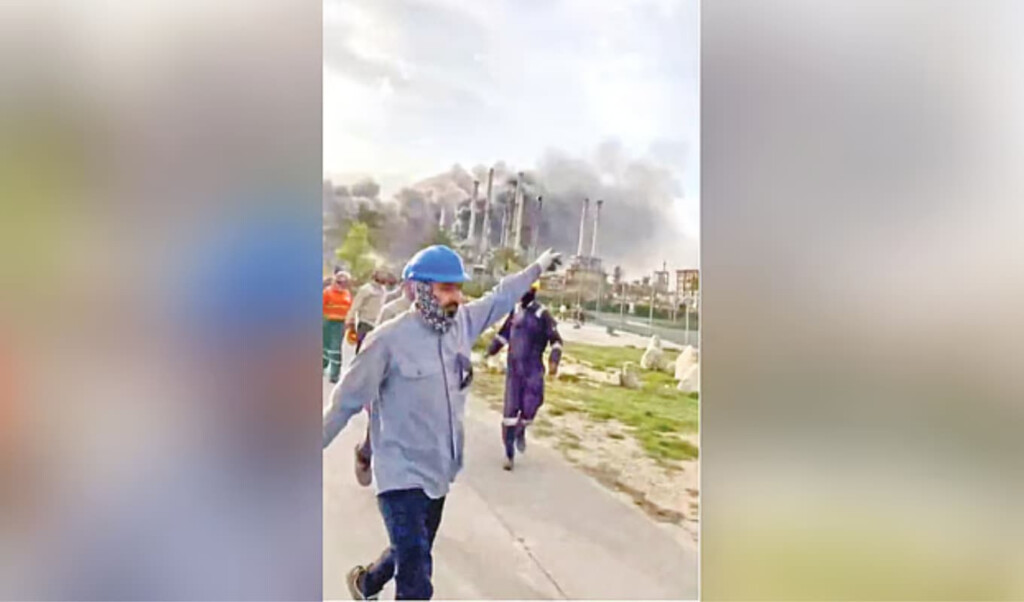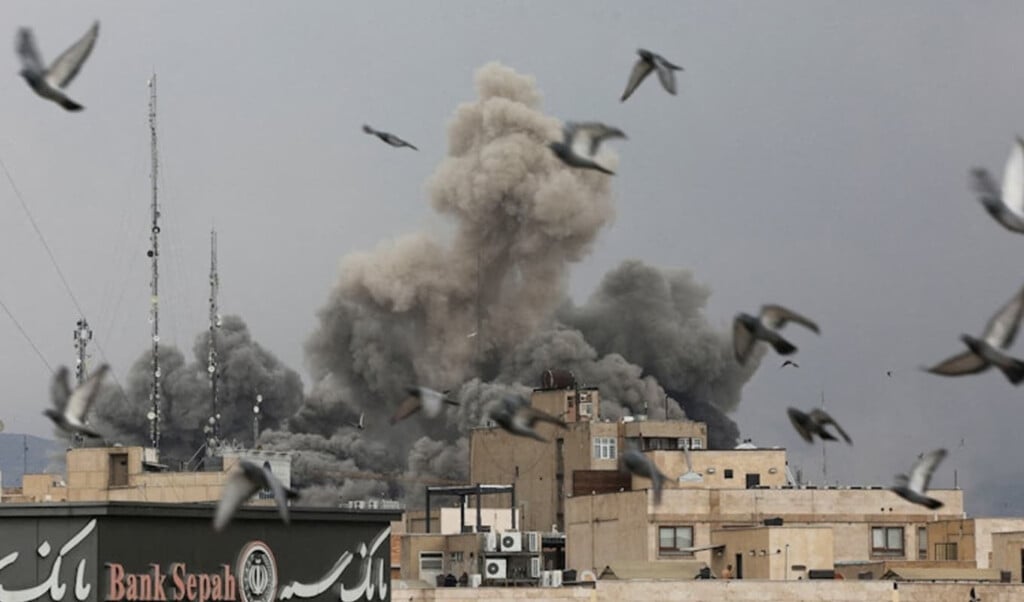
Iran is facing a dire situation as the country endures its fourth consecutive day of joint attacks by Israel and the United States. The relentless strikes have created widespread fear and instability, disrupting daily life and intensifying the humanitarian crisis. Amid this ongoing conflict, Iran has also been struck by an earthquake, adding to the nation’s mounting challenges.
According to reports, the earthquake occurred in the Gerash region, registering a magnitude of 4.3 on the Richter scale. While the tremor has contributed to the atmosphere of anxiety and panic, there have been no immediate reports of casualties or property damage. The United States Geological Survey (USGS) confirmed that the earthquake had a depth of 10 kilometres.
Key Earthquake Details – Gerash Region
| Attribute | Details |
|---|---|
| Magnitude | 4.3 |
| Location | Gerash, Iran |
| Depth | 10 km |
| Casualties | None reported |
| Property Damage | None reported |
| Reporting Agency | United States Geological Survey (USGS) |
In the midst of the earthquake and military strikes, the humanitarian situation in Iran has worsened. The ongoing attacks have reportedly claimed the lives of over 700 people, with hundreds more injured. Among the casualties in the initial wave of strikes were the country’s top leadership, including Supreme Leader Ayatollah Ali Khamenei and 48 high-ranking officials and military commanders. These developments have left the country grappling with both political and social turmoil.
In response to the escalating crisis, the United States has issued urgent advisories urging American citizens to leave 14 countries in the region as swiftly as possible. The combined effect of foreign military action and natural disasters is straining emergency services and heightening fears among civilians.
Experts have highlighted that earthquakes, even those of moderate magnitude, can significantly amplify existing vulnerabilities during wartime. In Iran, where infrastructure has already been affected by ongoing military strikes, the additional stress of seismic activity could complicate rescue operations and humanitarian aid delivery.
The situation in Iran remains fluid, with international agencies closely monitoring both the military conflict and the potential aftershocks in the region. Civilians are being advised to stay alert, follow official safety guidance, and take precautions as both geopolitical tensions and natural hazards continue to affect the nation.