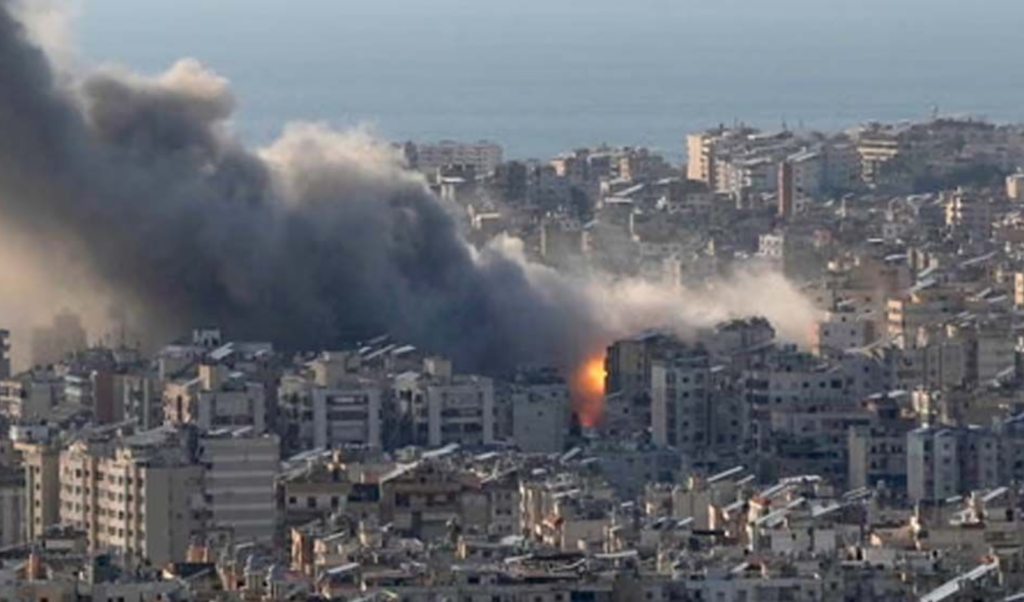
Tensions in the Middle East have escalated sharply after Iran warned that Israeli embassies around the world could become targets if Israel carries out attacks on Iranian diplomatic facilities in the region. The warning comes amid a rapidly deteriorating security environment following alleged military strikes against Iranian territory.
According to Iranian officials, a joint strike by Israel and the United States on 28 February has significantly heightened regional tensions. Tehran has characterised the incident as an act of aggression that has further destabilised an already volatile Middle Eastern landscape. Iranian authorities claim that the attack has forced the country to consider stronger retaliatory measures.
In a televised statement, Brigadier General Abolfazl Shekarchi, spokesperson for Iran’s armed forces, issued a stern warning regarding the potential consequences of further Israeli military actions. He said that if Israel were to target Iranian diplomatic missions—particularly those located in Lebanon—Iran would regard Israeli diplomatic facilities worldwide as legitimate targets.
Shekarchi stated that such an action would leave Tehran with little choice but to respond proportionally. “If Israel takes such a step,” he said during the broadcast, “it will compel us to treat Israeli embassies across the world as potential targets.” His remarks have raised alarm among international observers, as threats against diplomatic missions risk violating longstanding international conventions designed to protect embassies and consulates.
The statement follows a period of heightened military exchanges across the region. Iranian authorities have indicated that they have responded to recent hostilities by launching missiles and drones targeting Israeli-related interests as well as facilities connected to the United States in parts of the Gulf region. While the full scale of these operations remains unclear, regional security analysts warn that such developments could widen the scope of conflict beyond traditional battlefronts.
Meanwhile, Israel has also taken precautionary steps. On Tuesday, 3 March, Avichay Adraee, the Arabic-language spokesperson for the Israel Defense Forces (IDF), issued a public statement warning Iranian representatives in Lebanon to leave the area immediately. According to Adraee, individuals linked to Iranian missions were given 24 hours to evacuate locations considered to be potential military targets.
Security analysts suggest that the exchange of threats reflects the deep-rooted rivalry between Israel and Iran, which has long been expressed through proxy conflicts, intelligence operations, and strategic manoeuvring across the Middle East. Countries such as Lebanon, Syria, and several Gulf states have often become arenas where this geopolitical competition unfolds.
The latest escalation has also raised concerns among the international community. Diplomatic missions are protected under the Vienna Convention on Diplomatic Relations, which obliges host countries to ensure the safety and security of embassies. Any direct attack on such facilities would constitute a serious breach of international law and could provoke widespread diplomatic fallout.
In response to the rising tensions, several countries are reportedly reviewing security arrangements at Israeli diplomatic missions and advising heightened vigilance. Experts warn that threats against embassies are particularly sensitive because they can trigger broader diplomatic crises involving multiple countries simultaneously.
Key Developments in the Escalation
| Event | Details |
|---|---|
| Alleged strike on Iran | Reported joint Israel–US attack on 28 February |
| Iranian response | Missile and drone operations targeting Israeli-linked and US-related sites |
| Iranian warning | Israeli embassies worldwide could become targets |
| Iranian spokesperson | Brig. Gen. Abolfazl Shekarchi |
| Israeli statement | Warning issued to Iranian representatives in Lebanon |
| Israeli official | IDF spokesperson Avichay Adraee |
| Evacuation deadline | 24 hours given to leave specified areas |
Regional experts caution that the continued exchange of threats risks further destabilising the Middle East. If diplomatic tensions intensify and military actions expand, the conflict could draw in additional actors and create a wider geopolitical crisis affecting global security and international diplomacy.