A significant escalation in Middle Eastern hostilities has unfolded following an Iranian missile strike on the southern Israeli city of Arad, leaving more than fifty people injured. The attack has intensified fears of a broader regional conflict, particularly as both sides exchange increasingly severe warnings concerning critical infrastructure.
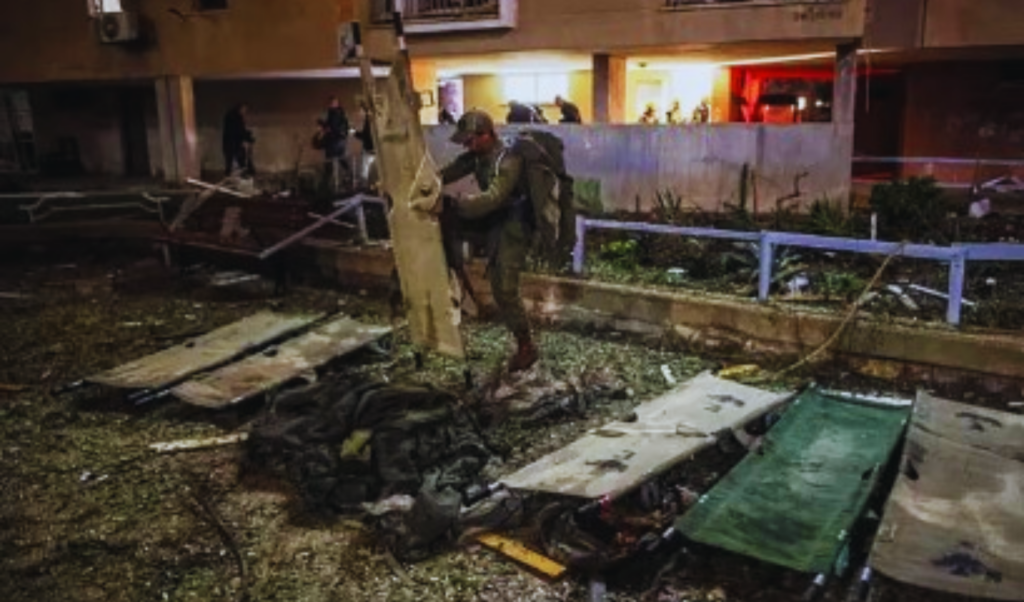
According to initial reports, several missiles penetrated Israeli air defences and struck residential areas in Arad, causing widespread damage and panic among civilians. Emergency services responded swiftly, transporting the injured to nearby hospitals, where medical teams continue to treat a range of injuries, some described as serious. Israeli defence officials stated that while interception systems neutralised a number of incoming projectiles, a portion still reached their targets, underlining the persistent vulnerability of civilian.
In the aftermath of the strike, Iran issued a stern warning regarding any potential retaliation targeting its domestic infrastructure. A spokesperson for the Khatam al-Anbiya Central Command, Ebrahim Zolfaghari, declared that any attack on Iran’s power plants would trigger a sweeping response. He specifically warned that energy facilities linked to the United States and Israel across the Middle East—including oil refineries, gas installations, and desalination plants—would be considered legitimate targets. Furthermore, he indicated that information technology infrastructure could also face both cyber and direct attacks.
This exchange of threats follows remarks by Donald Trump, who reportedly issued an ultimatum demanding the reopening of the strategically vital Strait of Hormuz within 48 hours. He warned that failure to comply could result in strikes on Iranian power generation facilities. The Strait of Hormuz remains one of the world’s most critical maritime chokepoints, through which a substantial portion of global oil supply passes daily. Any disruption in this corridor could have immediate and far-reaching consequences for international energy markets.
Iranian officials, in turn, have underscored the potential scale of retaliation. Reports cited by Fars News Agency referenced earlier remarks by Ali Larijani, the late former head of Iran’s Supreme National Security Council. He had warned that an on Iran’s electricity grid could lead to a cascading regional blackout within half an hour, effectively paralysing large parts of the Middle East.
The situation highlights the growing strategic importance of infrastructure warfare, where energy, water, and digital systems are increasingly seen as of geopolitical leverage. Analysts warn that such developments not only endanger civilian populations but also risk destabilising global economic systems reliant on uninterrupted energy supplies.
Below is a summary of key developments:
| Category | Details |
|---|---|
| Location of Strike | Arad, southern Israel |
| Number of Injured | More than 50 |
| Nature of Attack | Iranian missile strike |
| Iranian Warning | Retaliation against energy and IT infrastructure |
| US Position | Threat to strike Iranian power plants |
| Strategic Concern | Potential disruption in Strait of Hormuz |
As tensions continue to mount, international observers are urging restraint, warning that further escalation could draw multiple regional and global powers into a conflict with unpredictable and potentially catastrophic consequences.