Bir Uttom | Sector Commander of the Liberation War | A Soldier of Progressive Thought
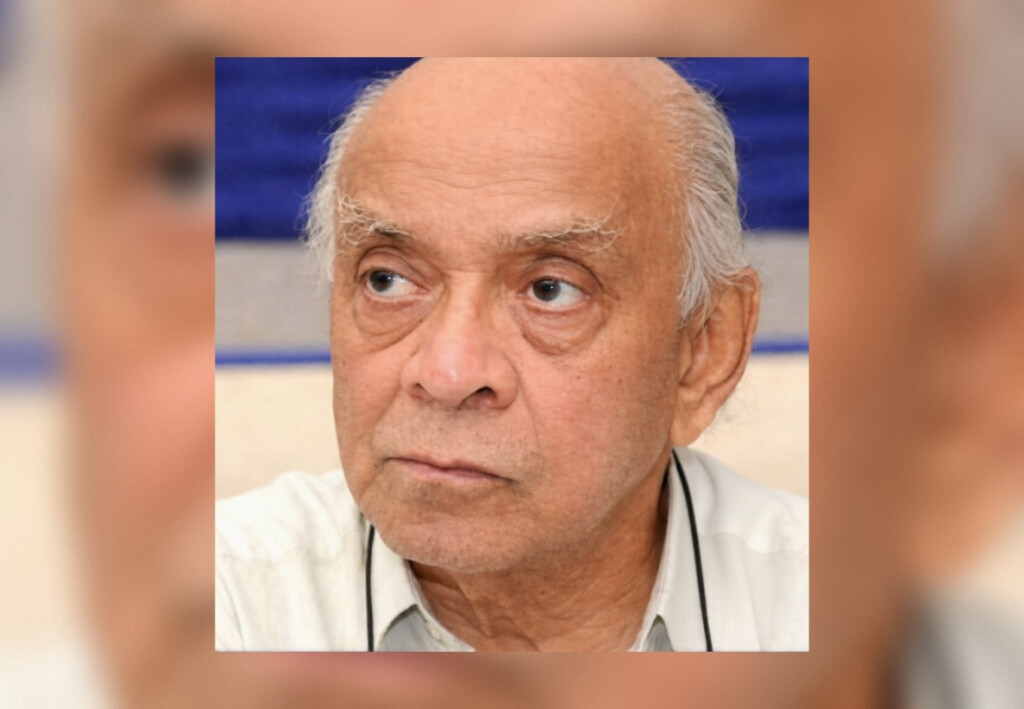
Among the names spoken with deep reverence in the history of Bangladesh’s মহান মুক্তিযুদ্ধ (Great War of Liberation), Lieutenant Colonel Kazi Nuruzzaman stands out as a distinguished military officer, organiser, and a lifelong advocate of progressive ideals.
Early Life and Education
He was born on 24 March 1925 in Jessore to Khan Sahib Kazi Sadrul Ola and Ratubunnessa. He completed his matriculation in 1939 and Intermediate of Science (ISC) in 1941 from St Xavier’s School and College in Calcutta. While pursuing an honours degree in Chemistry at the same institution, he embarked upon a military career.
Beginning of Military Service
During the Second World War, he joined the Royal Indian Navy and fought on behalf of the Allied forces in the Burma and Sumatra fronts. In 1946, responding to the call of Jawaharlal Nehru, he transferred to the army and received training at the Royal Indian Military Academy.
Following the partition of India, he joined the Pakistan Army and later undertook advanced training at the Royal School of Artillery in England. He served with distinction in several key military assignments, including the Kashmir conflict.
Prelude to Independence
In 1962, he was seconded to the East Pakistan Industrial Development Corporation (EPIDC). However, in protest against discrimination by West Pakistan, he voluntarily retired in 1969. Though he later engaged in business, the political realities of the time drew him back into the struggle.
Role in the Liberation War
After the Pakistani military launched its brutal crackdown on 25 March 1971, he actively joined the Liberation War. On 4 April, he played a significant role in the historic Teliapara meeting, which laid the foundation for the যুদ্ধের সামরিক কাঠামো (military structure of the war).
He later assumed command of Sector 7 following the death of Major Nazmul Haque. His sector covered southern Dinajpur, Bogura, Rajshahi, and Pabna. His courageous leadership and strategic acumen made a vital contribution to the success of the war.
Post-Independence Political and Social Role
After independence, he remained actively engaged in movements for justice, secularism, and democracy. He helped organise campaigns demanding the trial of war criminals, formed an anti-fascist democratic committee, and served as President of the Muktijoddha Sangsad. During the regime of military ruler Hussain Muhammad Ershad, he was arrested.
He also actively participated in the anti-war crimes movement led by Jahanara Imam and served as a বিচারক (judge) in the symbolic গণআদালত (People’s Court).
Intellectual Contributions
Kazi Nuruzzaman was a thoughtful writer and columnist. His writings were incisive and eloquent, particularly in opposing imperialism and domination. His notable works include:
- Swadesh Chinta
- Muktijuddho O Rajniti (Liberation War and Politics)
- Bangladesher Samaj O Rajniti (Society and Politics of Bangladesh)
- Ekattorer Muktijuddho: Ekjon Sector Commander-er Smritikotha (The Liberation War of 1971: Memoirs of a Sector Commander)
Personal Life
His spouse was Sultana Zaman. Their daughters include noted cultural figures Lubna Marium and Nayla Khan. His granddaughter is the acclaimed singer Anusheh Anadil.
Honours and Legacy
In recognition of his extraordinary bravery during the Liberation War, the Government of Bangladesh awarded him the title “Bir Uttom.” A road in Panthapath, Dhaka, has been named ‘Bir Uttom Kazi Nuruzzaman Sarak’ in his honour.
Death
He passed away on 6 May 2011 in Dhaka.
Tribute
Kazi Nuruzzaman was not merely a sector commander; he was a steadfast symbol of ideals, justice, and progressive thought. His contributions to the spirit of the Liberation War, secularism, and the pursuit of justice will remain eternally etched in the nation’s history.