A major power facility in Israel has reportedly been struck in a missile attack, with indications suggesting involvement from Iran amid rising regional tensions. The incident is said to have taken place at a significant energy installation located in Hadera, along Israel’s Mediterranean coastline.
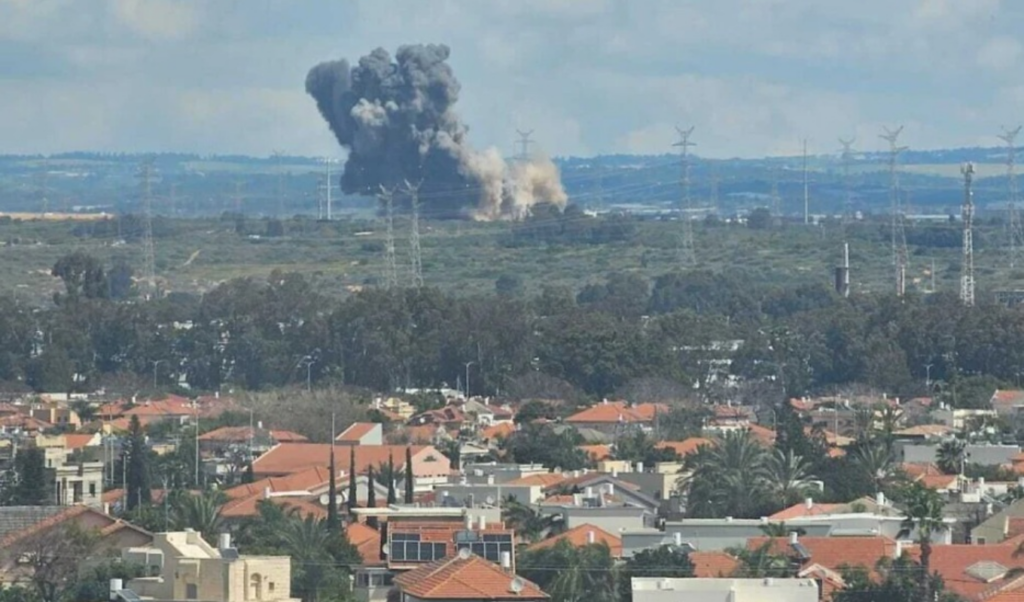
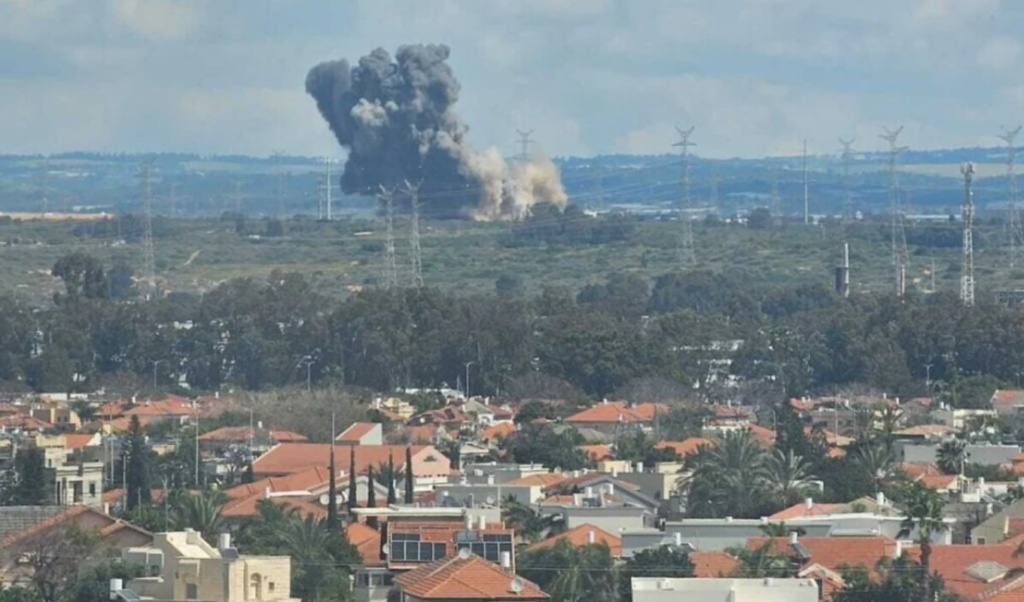
Footage verified by the British Broadcasting Corporation (BBC) shows plumes of grey smoke rising into the sky from the vicinity of a cooling tower at the power station. Satellite imagery analysis conducted by the broadcaster confirmed that the video is recent and that the location corresponds to the Hadera power plant. The footage, which surfaced online, appears to depict the immediate aftermath of the strike.
The facility in question is one of the most important components of Israel’s energy infrastructure. Originally constructed as a coal-fired power station, it was converted in 2022 to operate on gas, reflecting a broader transition towards cleaner energy sources. Its strategic importance makes it a critical asset in maintaining electricity supply across a large part of the country.
According to reports cited by The Times of Israel, and based on information attributed to the Israel Electric Corporation, ballistic missiles were involved in the attack. However, initial assessments suggest that while missiles did strike the area, there was no major structural damage to the core infrastructure of the power plant. Authorities are continuing to assess the extent of any disruption to operations.
Key Details of the Incident
| Aspect | Information |
|---|---|
| Location | Hadera, Mediterranean coast, Israel |
| Facility | Major power plant (converted from coal to gas in 2022) |
| Reported Cause | Missile strike, believed to involve ballistic missiles |
| Damage Status | No major damage to core infrastructure reported |
| Visual Evidence | Smoke observed rising from near a cooling tower |
| Verification | Confirmed through BBC satellite imagery analysis |
| Official Claim | No confirmed detailed statement from Iran |
At present, there has been no official confirmation or detailed statement from Iranian authorities acknowledging responsibility for the attack. Nonetheless, the incident is being closely analysed in the context of ongoing regional tensions, where such actions are often interpreted as demonstrations of strategic capability.
The reported strike has heightened concerns about the vulnerability of critical infrastructure in the region, particularly energy facilities that play a vital role in national stability and civilian life. Power plants such as the one in Hadera are essential for maintaining electricity supply to residential areas, industry, and public services, making them potential targets in broader geopolitical conflicts.
Security analysts suggest that even limited strikes on such facilities can carry significant implications. Beyond physical damage, these incidents may disrupt power distribution, increase operational risks, and contribute to wider instability. They also underline the importance of protective measures and contingency planning for essential infrastructure.
While the extent of operational disruption remains unclear, authorities are expected to conduct a full technical assessment to determine any hidden damage and ensure that the facility continues to operate safely. Meanwhile, international observers are monitoring the situation closely, given its potential implications for regional security dynamics.
As tensions continue to evolve, the incident stands as a stark reminder of the fragile nature of critical infrastructure in conflict-prone regions, and the potential consequences when such assets become targets in wider geopolitical confrontations.