Amid escalating tensions between Iran and Israel, senior Iranian officials have reportedly been removed from an Israeli assassination target list following diplomatic intervention involving Pakistan and the United States, according to a source cited by Reuters.
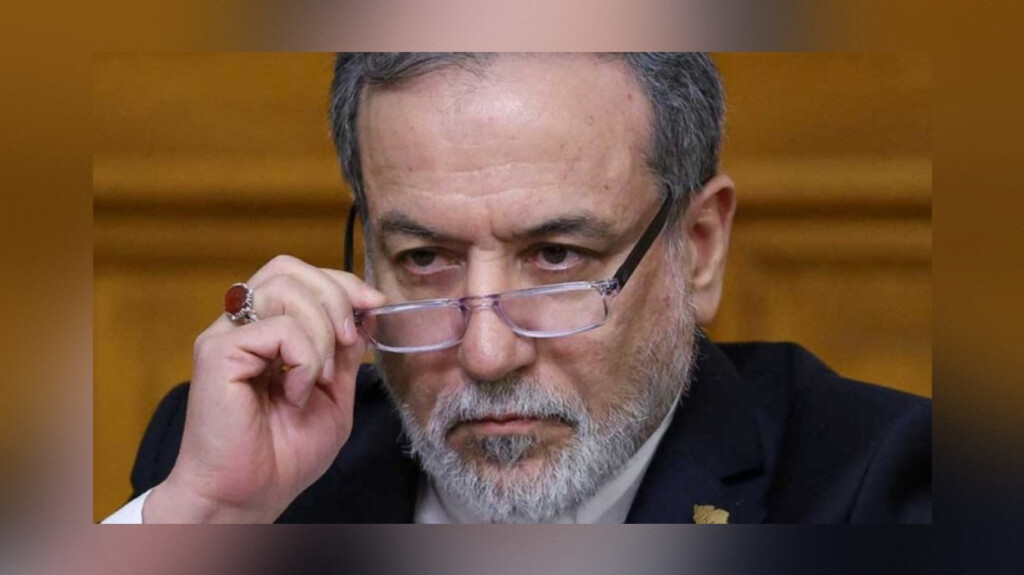
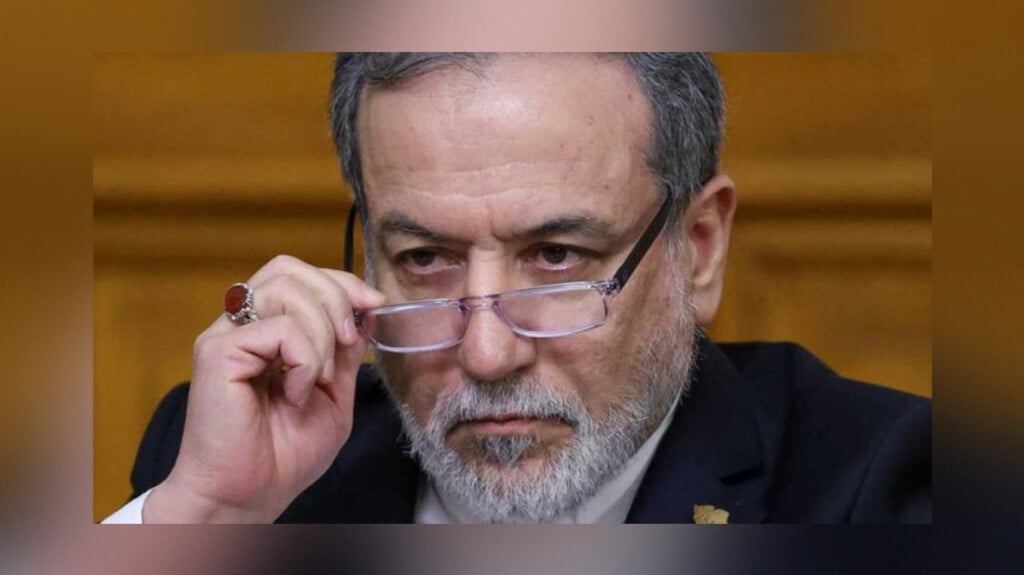
The officials in question are Iran’s Foreign Minister Abbas Araghchi and Parliament Speaker Mohammad Bagher Ghalibaf. A Pakistani source familiar with the matter claimed that Islamabad urged Washington to intervene after learning that Israeli intelligence had reportedly tracked the whereabouts of both figures.
According to the source, Pakistan conveyed a strong warning that eliminating senior Iranian political figures would severely undermine any remaining channel for dialogue. The source stated that Washington subsequently advised Israel to stand down from any immediate targeting plans.
The development aligns with earlier reporting by The Wall Street Journal, which suggested that two unnamed Iranian officials were temporarily removed from a potential target list to assess prospects for renewed diplomatic engagement. That report, citing US officials, indicated the suspension would last approximately four to five days, though it did not reference Pakistan’s involvement.
Pakistan has increasingly positioned itself as a discreet intermediary in efforts to reduce tensions between Tehran and Washington. Alongside Egypt and Turkey, Islamabad is understood to be maintaining communication channels with both sides at a time when formal diplomatic routes between several regional actors remain severely constrained. Discussions on potential peace talks have even raised the possibility of Pakistan serving as a neutral venue.
In parallel, Iran is reportedly reviewing a 15-point proposal transmitted through Pakistan and attributed to diplomatic initiatives associated with former US President Donald Trump. According to sources within the Israeli cabinet, the proposal includes stringent conditions aimed at curbing Iran’s nuclear and regional capabilities.
These conditions reportedly involve the removal of Iran’s highly enriched uranium stockpiles, a suspension of uranium enrichment activities, restrictions on its ballistic missile programme, and a halt to funding for allied regional groups.
While the details remain unverified at an official level, the emerging picture suggests a complex and fast-moving diplomatic environment in which backchannel negotiations are increasingly shaping military and political calculations.
Key Details
| Issue | Reported Information |
|---|---|
| Officials affected | Abbas Araghchi and Mohammad Bagher Ghalibaf |
| Action taken | Temporarily removed from target list |
| Mediating role | Pakistan, with US involvement |
| Reported duration | Approximately 4–5 days |
| Objective | Create space for diplomatic engagement |
| Related proposal | 15-point US-linked peace framework |
| Proposal elements | Uranium stockpile removal, enrichment halt, missile limits, funding restrictions |
The situation underscores the fragile balance between escalation and diplomacy in the region, where covert negotiations appear to be running parallel to ongoing strategic confrontation.