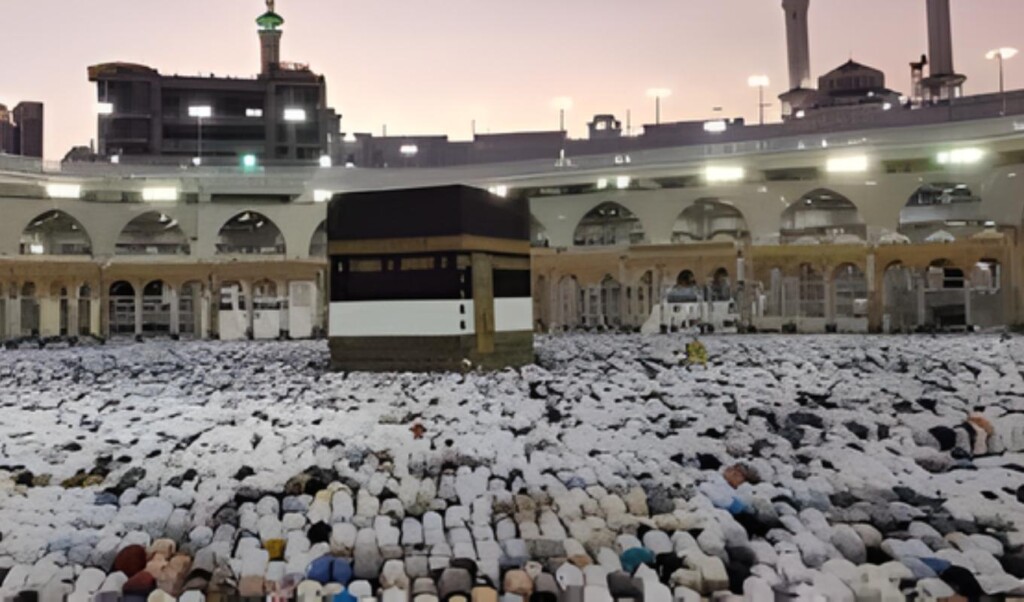
The United States Embassy, Riyadh has issued a heightened security advisory for American citizens residing in or travelling to Saudi Arabia, citing escalating instability across the Middle East and associated regional security risks. The advisory comes ahead of the upcoming Hajj season, when millions of pilgrims are expected to gather in and around Mecca.
In its statement, the embassy warned that the evolving geopolitical tensions and sporadic conflicts across parts of the region have created an unpredictable security environment. Against this backdrop, it specifically urged US nationals to avoid non-essential travel to Saudi Arabia and to reconsider any plans to participate in large-scale gatherings, particularly the Hajj pilgrimage.
Officials stressed that mass religious events, while spiritually significant, can present heightened safety risks under current conditions due to overcrowding, logistical pressures, and the potential for emergency disruptions. The embassy therefore advised citizens to prioritise personal safety and remain vigilant at all times.
The advisory also highlighted Saudi Arabia’s strict entry regulations for the Hajj season. Authorities require all pilgrims to obtain official authorisation through the government-approved digital system Nusuk platform. Entry to Mecca without a valid Hajj permit is strictly prohibited, and violations may result in substantial fines, detention, or deportation.
Saudi authorities have announced reinforced access controls beginning 18 April, ahead of the pilgrimage period. During this time, only individuals holding valid Hajj permits, residents of Mecca with authorised identification, or those possessing legitimate work permits will be allowed entry into the holy city. Other visa holders are required to leave Mecca before the restrictions come into force.
Additional measures have also been introduced regarding Umrah visas, with strict deadlines set for entry and departure to ensure compliance with seasonal crowd management protocols. Officials state that these steps are intended to maintain order, improve safety, and reduce congestion during one of the world’s largest annual religious gatherings.
Analysts note that ongoing geopolitical tensions in the wider Middle East are likely to influence future travel advisories issued by foreign governments. Large-scale pilgrimages such as Hajj inherently place significant pressure on infrastructure and emergency response systems, making them particularly sensitive to regional instability.
Summary of Key Advisory Measures
| Area | Guidance |
|---|---|
| Travel advisory | US citizens urged to avoid non-essential travel to Saudi Arabia |
| Hajj participation | Strong discouragement of attending Hajj this season |
| Mecca entry rules | Strict restrictions effective from 18 April |
| Permit requirement | Mandatory authorisation via Nusuk platform |
| Penalties | Fines, detention, or deportation for violations |
| Umrah visas | Mandatory compliance with entry and exit deadlines |
The embassy emphasised that these measures are intended to safeguard American citizens while aligning with Saudi Arabia’s broader efforts to regulate pilgrimage flows and ensure the safety and security of all worshippers.