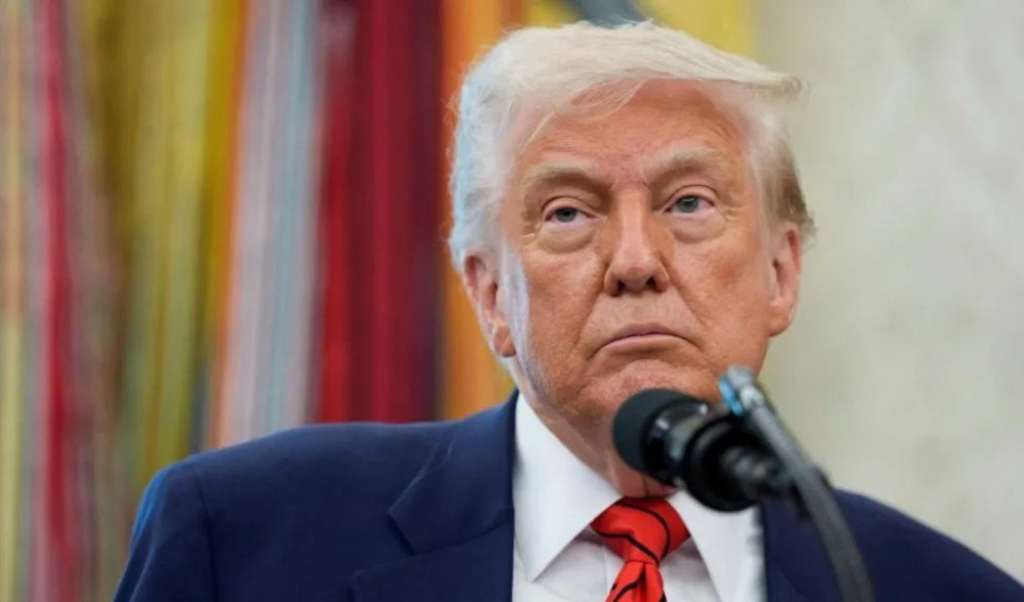
In a landmark shift following a decisive ruling by the United States judiciary, the process of reimbursing billions of dollars collected under Donald Trump’s controversial import tariffs has officially commenced. While the scale of the refund is gargantuan, the relief is primarily targeted at importing enterprises, leaving ordinary consumers—who ultimately bore the brunt of price hikes—largely excluded from the financial windfall.
The Judicial Catalyst for Reimbursement
The origins of this multi-billion dollar logistical exercise lie in a February 2026 Supreme Court decision, which declared the global tariffs imposed by the Trump administration to be legally invalid. Throughout the duration of the policy, the US Treasury amassed a staggering $160 billion in duties. Following the high court’s lead, the Court of International Trade issued a mandate in March for these funds to be returned to the companies that paid them.
Estimates suggest that approximately 330,000 businesses are eligible for these rebates. To facilitate this, a bespoke online portal has been inaugurated, allowing companies to lodge their claims. Successful applicants can expect to receive their funds, inclusive of accrued interest, within a 60 to 90-day window.
Refund Eligibility and Financial Scale
The sheer magnitude of the reimbursement process is unprecedented in the history of American trade law. The table below outlines the current scope of the refund programme:
| Programme Statistic | Current Estimated Value |
| Total Duties Collected | $160 Billion |
| Eligible Entities | ~330,000 Businesses |
| Expected Processing Time | 60 to 90 Days |
| Repayment Terms | Principal Amount plus Statutory Interest |
| Primary Beneficiaries | Large-scale Importers and Retail Giants |
| Consumer Direct Benefit | 0% (Directly from Government) |
The Corporate-Consumer Disconnect
Despite the jubilant mood in corporate boardrooms, the “Man on the Street” remains conspicuously absent from the repayment ledger. During the implementation of these tariffs, the vast majority of companies opted to protect their profit margins by passing the increased costs directly onto the consumer. Consequently, the prices of electronics, steel, and household goods surged nationwide.
Now that the funds are being returned to the corporations, there is no legal mechanism compelling these firms to pass the savings back to their customers. While a handful of retail conglomerates have hinted at modest price reductions or “special promotional discounts” to curry favour with the public, industry analysts suggest that the lion’s share of the $160 billion will be retained by businesses to bolster their balance sheets or as a hedge against future trade volatility.
Technical Hurdles and Legal Retaliation
The refund process has not been without its teething problems. While multinational corporations with dedicated legal and accounting departments are navigating the online portal with ease, thousands of small-scale entrepreneurs have reported significant technical glitches. There are growing concerns that the complexity of the application could result in a “wealth transfer” where only the best-resourced companies successfully reclaim their dues.
In response to this perceived injustice, a wave of consumer class-action lawsuits has begun to gather pace. Legal advocates argue that because the public effectively paid the illegal tariffs through inflated retail prices, the corporations are currently standing on the verge of “unjust enrichment.” These lawsuits seek to force companies to distribute a proportionate share of the government refunds back to the end-users.
Economic Aftermath: A Limited Impact for the Public
As the first tranches of interest-laden cheques begin to arrive in corporate coffers, the political fallout remains intense. Critics of the refund structure argue that it fails to rectify the inflationary damage caused over the past several years. For the average American household, the “Tariff Refund” is likely to remain an abstract financial transaction rather than a tangible increase in disposable income.
The focus now shifts to whether the competitive nature of the retail market will naturally force prices down once the rebates are fully processed. However, given the current economic climate, many fear that the $160 billion will simply disappear into the machinery of corporate finance, leaving the public to foot the bill for a failed trade experiment.