The Board of Control for Cricket in India has unveiled its squads for the upcoming white-ball assignments against England and Ireland, introducing several notable selections, leadership changes, and fitness-related uncertainties that have shaped a headline-grabbing announcement.
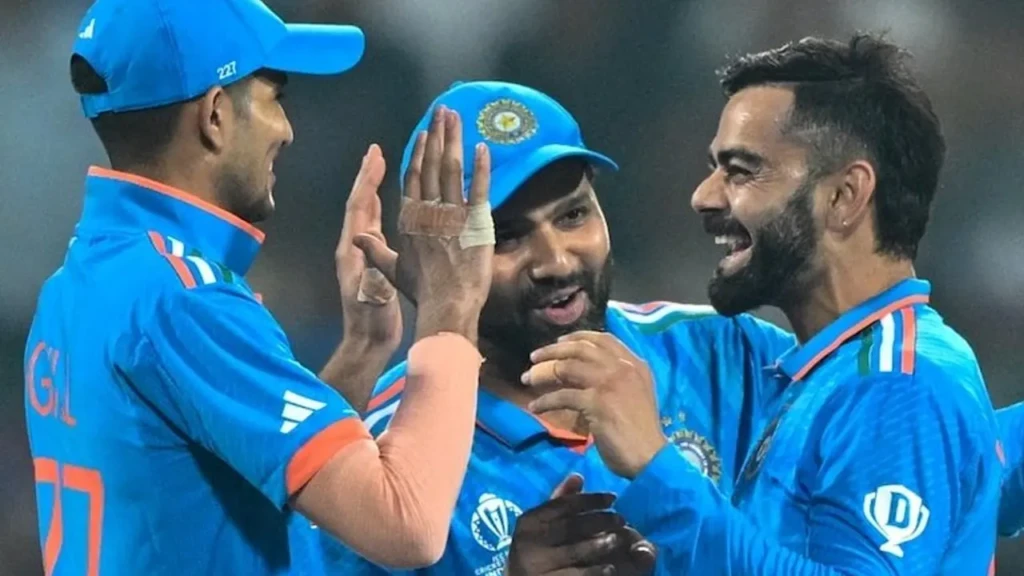
For the three-match ODI series against England, India have opted for a refreshed leadership structure, with young batter Shubman Gill appointed captain. His elevation marks a significant transition phase in India’s 50-over setup, as the team continues to balance long-term planning with the demands of elite competition. Experienced batter Shreyas Iyer will serve as vice-captain, further cementing his growing influence within the limited-overs structure.
A key talking point is the inclusion of senior star Virat Kohli, whose participation remains contingent upon successfully clearing a mandatory fitness assessment. Meanwhile, veteran opener Rohit Sharma also features in the squad, providing experience at the top of the order.
Perhaps the most significant return is that of pace spearhead Jasprit Bumrah, who is set to make his ODI comeback following a long injury layoff. His last appearance in the format came during the 2023 World Cup final, making his return a major boost for India’s bowling attack.
In contrast, India’s T20I squad for the Ireland tour reflects a more experimental approach, with Shreyas Iyer handed captaincy duties in the shortest format as well. The inclusion of younger talents such as Abhishek Sharma and Tilak Varma underlines the team management’s intent to broaden the player pool ahead of future global tournaments.
India ODI Squad vs England
| Role | Players |
|---|---|
| Captain | Shubman Gill |
| Batsmen | Rohit Sharma, Virat Kohli (fitness pending), Shreyas Iyer |
| Wicketkeepers | KL Rahul, Ishan Kishan |
| All-rounders | Washington Sundar, Axar Patel, Nitish Kumar Reddy |
| Bowlers | Kuldeep Yadav, Jasprit Bumrah, Prasidh Krishna, Harshit Rana, Arshdeep Singh |
India T20I Squad vs Ireland
| Role | Players |
|---|---|
| Captain | Shreyas Iyer |
| Vice-captain | Tilak Varma |
| Batsmen | Abhishek Sharma, Sanju Samson, Ishan Kishan |
| All-rounders | Shivam Dube, Nitish Kumar Reddy, Axar Patel, Washington Sundar |
| Bowlers | Ravi Bishnoi, Harshit Rana, Arshdeep Singh, Prince Yadav, Soumya Krishna, Sohail Krishna |
The dual announcements reflect India’s ongoing strategic rotation across formats, blending established match-winners with emerging talent. With fitness evaluations, leadership experimentation, and high-profile comebacks all in play, the upcoming series against England is expected to provide early indications of India’s direction in the post-transition phase of their white-ball structure.