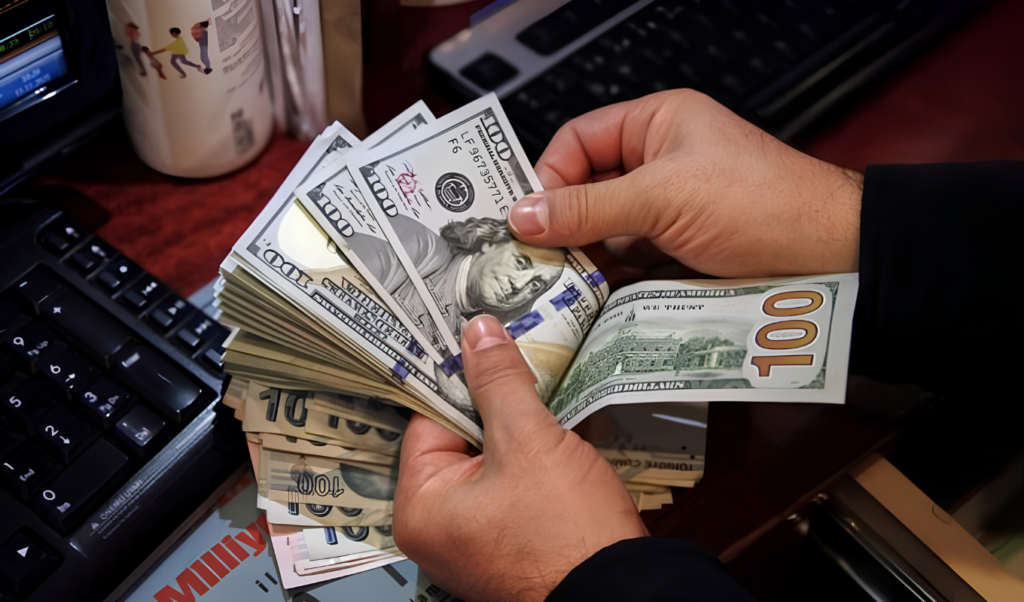
The landscape of international trade and commerce in Bangladesh is expanding rapidly in tandem with global economic developments. To keep pace with these growing international transactions, the exchange rates of foreign currencies undergo daily fluctuations. Recently, the value of the Bangladeshi Taka against major global currencies, including the US Dollar, has experienced moderate volatility. According to data released by Bangladesh Bank and various commercial banking institutions, the official exchange rates for today, Wednesday, 8 July 2026, present a consolidated view of the country’s currency market.
Financial analysts attribute the current stabilization of the currency market to the stringent monitoring policies enforced by the central bank. Additionally, a steady and positive inflow of inward remittances from expatriate workers has played a vital role in bridging the gap between the official banking rates and the open market, traditionally known as the kerb market. Over the past month, the average exchange rate for the US Dollar has hovered comfortably between 122.75 Taka and 123.00 Taka. This relative stability offers much-needed predictability for local importers, exporters, and retail businesses navigating international payments.
The official exchange rates for thirteen prominent international currencies against the Bangladeshi Taka are detailed in the table below:
| Serial No. | Foreign Currency | Exchange Rate in Bangladeshi Taka (BDT) |
| 1. | US Dollar | 122.85 Taka |
| 2. | Euro | 140.18 Taka |
| 3. | UK Pound Sterling | 164.02 Taka |
| 4. | Canadian Dollar | 86.50 Taka |
| 5. | Australian Dollar | 85.11 Taka |
| 6. | Singapore Dollar | 94.99 Taka |
| 7. | Kuwaiti Dinar | 398.56 Taka |
| 8. | UAE Dirham | 33.64 Taka |
| 9. | Qatari Rial | 33.81 Taka |
| 10. | Saudi Rial | 33.12 Taka |
| 11. | Malaysian Ringgit | 30.33 Taka |
| 12. | Chinese Yuan | 18.05 Taka |
| 13. | Indian Rupee | 1.29 Taka |
Market experts remind corporate entities and individuals that foreign currency exchange rates are subject to sudden shifts based on global market demand, supply dynamics, and liquidity in the local banking channels. Consequently, actual transaction rates may vary slightly across different commercial banks and authorised money changers depending on whether the transaction involves a telegraphic transfer, an import letter of credit, or the purchase of physical cash. Stakeholders are advised to verify the latest live updates with their respective financial institutions before executing large-scale foreign currency conversions.