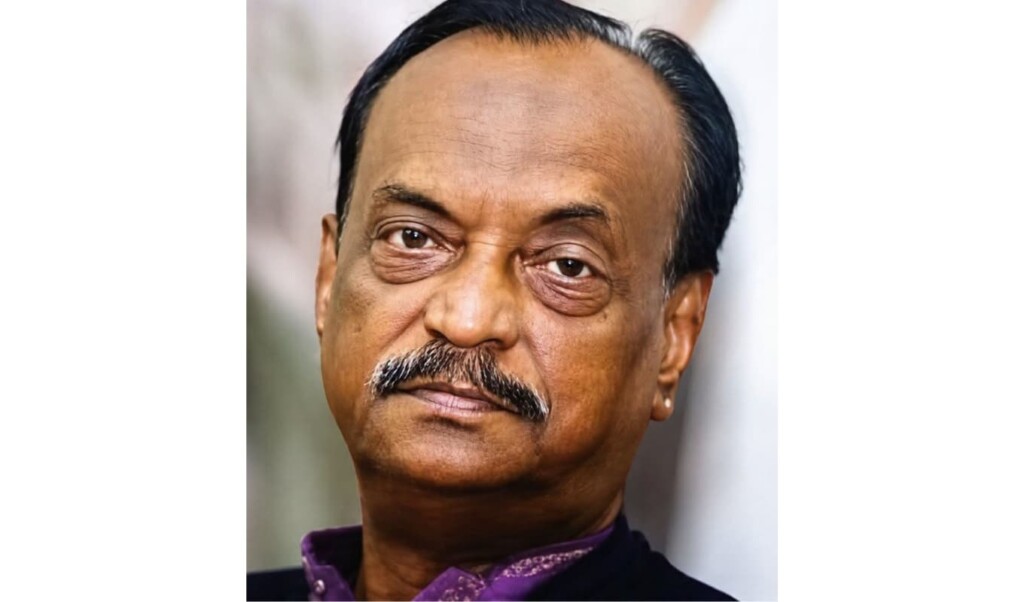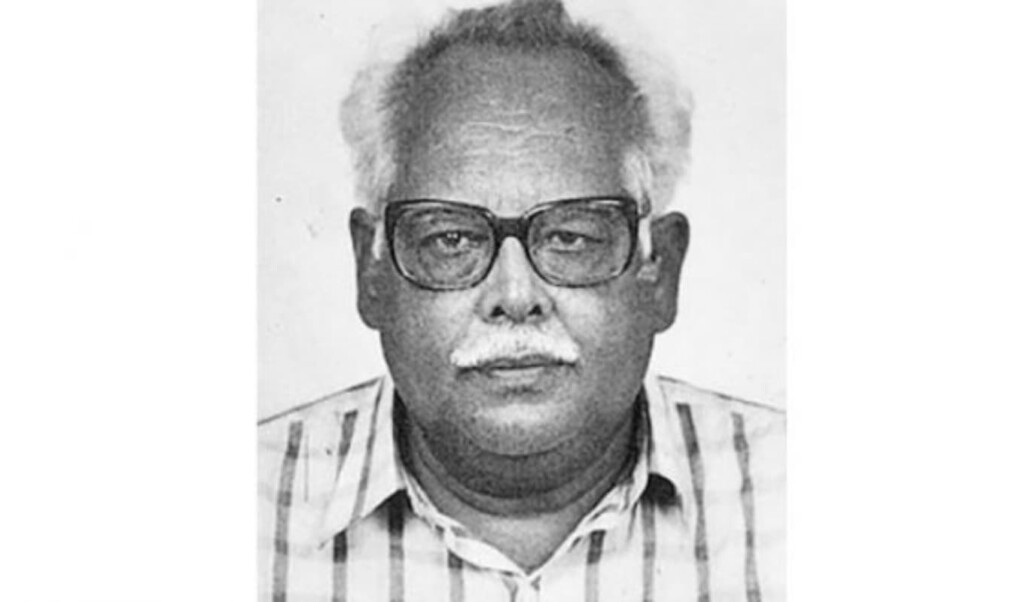
On 9 August 1929, a monumental figure in the history of Bangladeshi broadcasting and political commentary was born in Chingaspur village, located in the historic vicinity of Mahasthangarh in Bogra district. Moustafa Rowshan Akhtar Mukul, widely celebrated as M. R. Akhtar Mukul, grew up to become one of the most transformative non-combatant figures of the 1971 Bangladesh Liberation War. Born to prominent literary personage Sadat Ali Akhand and Rabeya Khatun—and the brother of distinguished educator Professor Mostafa Nur-Ul Islam—Mukul’s upbringing instilled in him a lifelong devotion to intellectual rigour and progressive political ideals.
Formative Years, Anti-Colonial Activism, and Professional Breadth
Mukul’s passion for social reform manifested early during his youth, drawing him directly into student politics and democratic movements against oppressive authorities. His outspoken activism resulted in multiple incarcerations during the late 1940s. Demonstrating extraordinary mental fortitude, Mukul sat his Bachelor of Arts examinations while detained in prison during 1948–49, passing with notable merit. He later pursued higher education at the University of Dhaka, successfully attaining his Master of Arts degree in 1951.
His initial career traversed a diverse array of sectors, spanning corporate insurance, commercial trade, advertising agencies, the Ministry of Foreign Affairs, and the Anti-Corruption Bureau. Yet, it was within journalism that Mukul found his true vocation. He reported for prestigious national newspapers such as Daily Azad, Daily Ittefaq, and Daily Purbodesh, eventually rising to serve as Bureau Chief in Dhaka for the global news agency United Press International (UPI).
Charampatra: A Masterclass in Psychological Warfare
While his journalistic credentials were vast, Mukul secured his permanent place in national history through his iconic radio feature, Charampatra (The Ultimate Paper), broadcast via Swadhin Bangla Betar Kendra throughout the nine months of the 1971 war.
At a time when the civilian population faced ruthless atrocities, mass violence, and forced displacement by West Pakistani forces, Charampatra provided vital psychological solace. Mukul used a uniquely potent combination of biting political satire, theatrical delivery, and sharp local Dhakai dialect to dismantle the authority of the military regime while instilling courage across the nation.
“Monsoons are arriving, and the entire country will be submerged. The Pakistanis do not know how to swim. The freedom fighters will simply puncture their speedboats, and that will be the end of their stronghold…”
Through these daily satirical dispatches, Mukul converted complex military developments into accessible, reassuring narratives. Frontline guerrilla fighters, refugees in camps, and citizens living under occupation tuned in with equal devotion, finding in his voice the unwavering promise that independence was imminent.
The Historic Victory Signing and Later Life
When the Pakistani forces signed the unconditional surrender on 16 December 1971, Mukul presented the final installment of Charampatra. Delivering his commentary with characteristic humor, he marked the formal end of foreign rule before revealing his identity to the millions who had listened to him anonymously throughout the war:
“Today is 16th December, the final day of Charampatra. Let me tell you the name of your humble servant. The name of this servant is M. R. Akhtar Mukul.”
In the post-war era, Mukul assumed critical leadership roles in national communications. He was appointed Director General of Information in 1972 and led Bangladesh Betar as Director General from 1972 until 1974. He subsequently served as Press Counsellor at the Bangladesh High Commission in London from January to August 1975.
Following the political turmoil of late 1975, Mukul lived in exile for several years. Upon returning to his homeland, he dedicated his efforts to historical preservation, taking an active role in 1987 in editing the second phase of the official historical records of the 1971 Liberation War. Through Sagar Publishers, he also left a lasting mark on Bangladeshi literature as an author and publisher.
M. R. Akhtar Mukul passed away on 26 June 2004 following a prolonged battle with cancer. Though decades have passed since Swadhin Bangla Betar Kendra ceased its war broadcasts, Mukul’s legacy endures as the definitive vocal warrior of 1971—a man whose weapon was the spoken word, and whose impact helped shape the destiny of a nation.