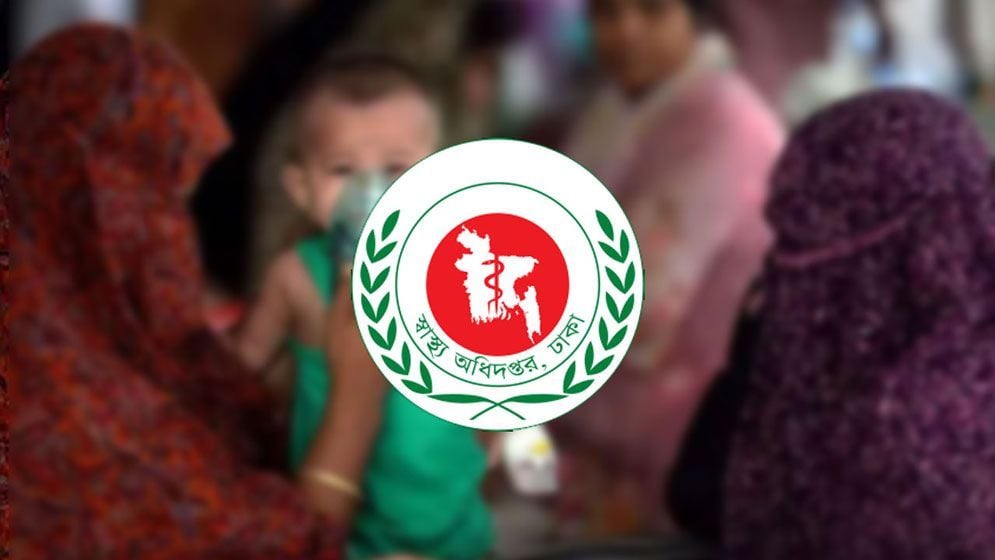
Six more children have died with measles-like symptoms across Bangladesh in the past 24 hours, while more than 1,000 children were reported to have contracted either measles or illnesses presenting similar symptoms, according to the latest figures released by the Directorate General of Health Services.
The figures were disclosed in the health directorate’s updated measles surveillance report issued on Sunday afternoon, 9 August. The report said six children died during the 24-hour period with symptoms associated with measles. No death during the period was confirmed as having been caused by measles itself.
The latest fatalities have taken the number of deaths associated with measles-like symptoms since 15 March to 775 nationwide. A further 98 children have died after being confirmed as having measles during the same period. Taken together, the number of deaths linked either to confirmed measles or measles-like symptoms has reached 873.
The scale of the outbreak is also reflected in the number of new cases being recorded each day. During the latest 24-hour period, 75 children were confirmed to have measles, while another 988 were identified as having symptoms resembling the disease. Combined, the two categories accounted for 1,063 children.
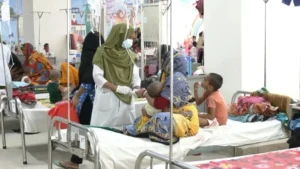
Hospital admissions also remained high. A total of 938 children were admitted to hospitals during the 24-hour period, while 942 patients were discharged after receiving treatment. The figures indicate a continuing heavy burden on health facilities dealing with children suffering from measles and related symptoms.
Since 15 March, health authorities have recorded 136,320 suspected measles cases across the country. Of these, 17,115 have been confirmed as measles cases.
Measles is a highly contagious viral disease that can spread rapidly, particularly among children who have not received adequate vaccination. Fever, cough, a runny nose and a characteristic skin rash are among its common symptoms. Severe cases can lead to complications, particularly in young children, including pneumonia and other serious illnesses.
The health authorities’ distinction between confirmed measles deaths and deaths involving measles-like symptoms is significant. Not every child showing symptoms resembling measles necessarily has the disease, and confirmation requires appropriate clinical and laboratory assessment.
The continuing rise in suspected cases, hospital admissions and deaths has placed sustained pressure on Bangladesh’s healthcare system. The latest surveillance figures underline the need for early identification of suspected cases, timely medical care and continued public-health measures aimed at limiting transmission and protecting vulnerable children.