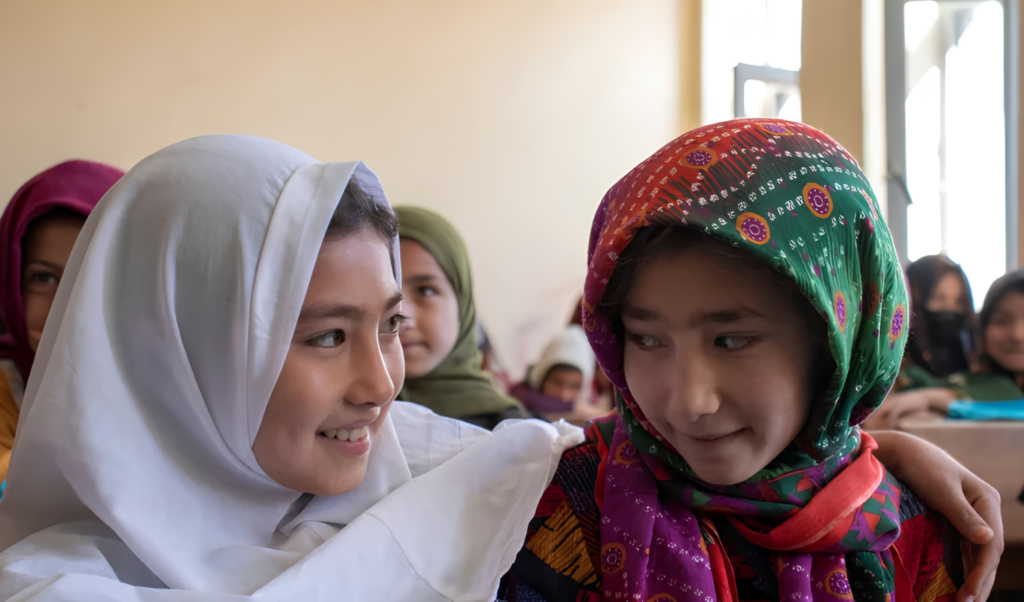
Nearly 2.4 million teenage girls across Afghanistan have been systematically excluded from secondary education since the Taliban regained power, according to a critical report released by the United Nations Educational, Scientific and Cultural Organization (Unesco). The findings emerge as the Taliban administration marks five years in office, amidst expanding diplomatic ties with select nations despite widespread international condemnation over severe human rights restrictions.
Unesco emphasized that Afghanistan remains the sole nation worldwide to officially outlaw secondary and higher education for girls and women. The organization warned that barring female citizens from academic institutions risks plunging future generations into severe poverty while inflicting irreversible damage on the country’s socio-economic structure.
The data compiled by Unesco outlines widespread systemic challenges and long-term consequences stemming from the educational ban:
| Key Indicators & Socio-Economic Impact Data | Value / Metric |
| Secondary school-aged girls currently banned from education | 2.4 million |
| Projected reduction in female workforce by 2066 | 600,000 workers |
| Estimated long-term national economic loss from reduced female employment | $9.6 billion |
| Primary school-aged children currently out of school | Over 2 million |
| Projected shortage of qualified female teachers by 2030 | Exceeding 11,000 |
| National adult literacy rate | 37% |
| Ten-year-old children unable to read a simple sentence | Over 90% |
| Schools lacking safe drinking water, sanitation, or winter heating | Approximately 50% |
| Returned migrants and deportees placing additional pressure on school capacity | 3 million |
| Schools permanently destroyed or closed due to natural disasters since 2021 | 1,000 facilities |
When US-led international forces withdrew from Afghanistan in 2021, Taliban officials initially assured the international community that female education would continue uninterrupted. However, authorities suspended secondary education for girls in March 2022, followed by a complete ban on female university attendance in December of the same year.
Although the Taliban regime continues to frame these restrictions as temporary measures aligned with Islamic law and local customs, the bans remain rigidly enforced. Beyond education, strict curbs on female employment and public mobility remain active throughout the country.
The ban on higher education has precipitated a severe shortage of qualified female educators, undermining foundational learning even at the primary level. Huda Jabrion, an emergency education programme coordinator, highlighted that numerous trained teachers have fled the country, while those remaining face bans on working in boys’ schools. Consequently, many primary institutions operate with underqualified male staff or lack teachers entirely.
Compounding the crisis, severe earthquakes and floods since 2021 have rendered at least 1,000 schools permanently unusable, leaving Afghanistan’s educational infrastructure near total collapse.