In the early hours of 16 August 1971, a series of coordinated underwater explosions shattered the dead of night across East Pakistan’s key maritime and riverine hubs. The covert offensive, codenamed Operation Jackpot, remains one of the most audacious, sophisticated, and successful naval guerrilla operations in modern warfare history. Conceived and executed by brave young Bengali naval commandos, the operation struck a devastating blow to the Pakistani military apparatus, permanently altering the trajectory of the Bangladesh Liberation War.
By mid-1971, the Pakistani military junta relied heavily on sea routes and river networks to transport troops, heavy weaponry, ammunition, and logistical supplies from West Pakistan to reinforce their occupation forces in the East. Recognising that severing these vital lifelines was paramount to weakening the military regime, Bangladesh’s Mukti Bahini (Liberation Forces), in close coordination with Indian military intelligence, formulated a plan to strike simultaneously at the enemy’s most strategic ports: Chittagong, Mongla, Chandpur, and Narayanganj.
Rigorous Training and the Secret Musical Signals
The groundwork for Operation Jackpot began months earlier at secret training facilities, notably the Harina Camp near Plassey in West Bengal. Here, young Bengali volunteers—many of them university students and seamen—underwent grueling physical training in combat swimming, underwater demolition, and guerrilla warfare tactics.
Once fully prepared, the first cohort of commandos was divided into four distinct operational units tailored to specific targets:
-
Chittagong Port: A primary strike group consisting of 60 naval commandos.
-
Mongla Port: A major maritime target assigned to a team of 60 commandos.
-
Chandpur River Port: A vital inland hub targeted by a unit of 20 commandos.
-
Narayanganj River Port: A critical riverine junction assigned to 20 commandos.
To maintain absolute operational security, communication between military commanders and squad leaders relied on an extraordinarily ingenious mechanism: coded radio broadcasts via Akashvani Kolkata (All India Radio). Squad leaders carried small transistor radios through which they monitored daily Bengali cultural broadcasts.
Two specific songs were chosen as secret triggers:
-
The Preparation Signal: The broadcasting of Alpana Banerjee’s popular song, ‘Amar Putul Aajke Prothom Jabe Shoshurbari’ (‘My Doll Goes to Her In-laws’ House Today’), served as the initial order for commandos to assemble, make final preparations, and move into strike positions.
-
The Execution Order: Exactly 24 hours later, the transmission of Pankaj Mullick’s rendition of the Rabindrasangeet, ‘Ami Tomay Joto Shuniyechhilam Gaan’ (‘All the Songs I Ever Sang to You’), signalled the ultimate go-ahead to submerge and attach mines to the target vessels. To the casual radio listener, these were merely nostalgic Bengali tunes; to the commandos, they were the green light for a life-or-death mission.
Execution in the Dead of Night
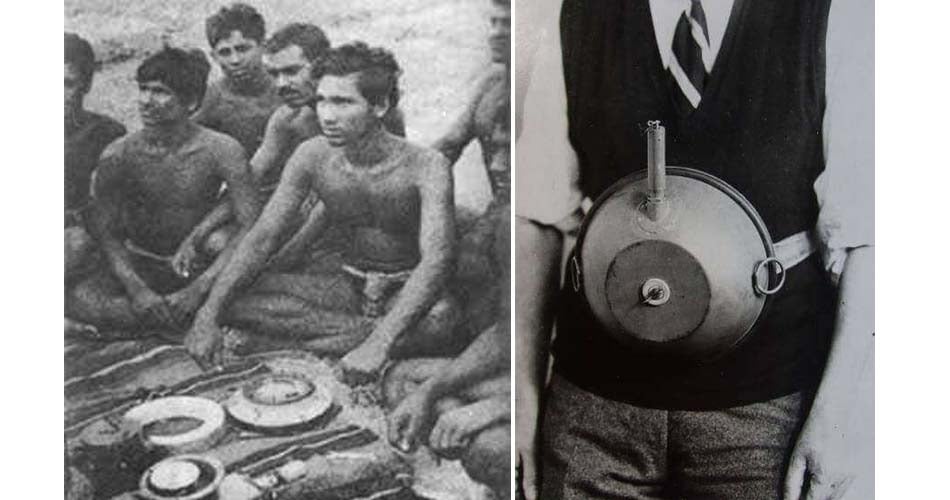
Equipped with minimalist yet lethal gear, each swimmer carried a single limpet mine, a combat knife, a pair of swimming fins, and dry rations. Heavy firepower was sparse; only one Sten gun was allocated per three commandos for defensive cover during entry and exit.
Shortly past midnight on 16 August, under the cloak of darkness and navigating treacherous currents, the commandos slipped quietly into the murky waters. Slipping undetected beneath the surface, they swam toward the anchored Pakistani warships, supply vessels, and foreign merchant ships aiding the regime. Working swiftly, the commandos affixed limpet mines—fitted with timed fuses—directly onto the steel hulls of the ships before silently swimming back to shore.
The first explosion ripped through the air in Chittagong at approximately 01:40, followed shortly by synchronized detonations across Chandpur and Narayanganj. By daybreak, another wave of explosions echoed across Mongla Port after 06:30. In a matter of hours, tens of thousands of tonnes of enemy shipping, weaponry, fuel, and vital supplies sank to the riverbeds and harbor basins.
A Strategic Watershed
The immediate material impact of Operation Jackpot was catastrophic for the Pakistani armed forces. Cargo ships carrying arms, ammunition, and essential provisions were destroyed or heavily damaged, effectively paralyzing enemy supply chains across East Pakistan. Moreover, the destruction of several foreign vessels servicing the regime drew global media attention, exposing the reality of the war and demonstrating the sophistication and resolve of the Bengali resistance movement.
This tactical triumph came at a heavy human cost. Several commandos made the ultimate sacrifice, while others vanished during or immediately following the raids. Among those confirmed martyred were Commando Abdur Rakib (who fell during the Phulchhari Ghat operation), Commando Hosein Farid (captured and executed by Pakistani forces during a subsequent raid in Chittagong), and Commando Khabiruzzaman (martyred during operations in Faridpur). Commandos Sirajul Islam, M. Aziz, Aftab Uddin, and Rafiqul Islam went missing in action, their fates forever intertwined with the nation’s struggle for independence.
Operation Jackpot proved to the world that the Bengali resistance was not merely a disorganized insurgency, but a highly disciplined, strategic force capable of executed multi-front maritime strikes. The courage and tactical ingenuity displayed by these naval commandos remain etched as one of the finest chapters in Bangladesh’s war of liberation.