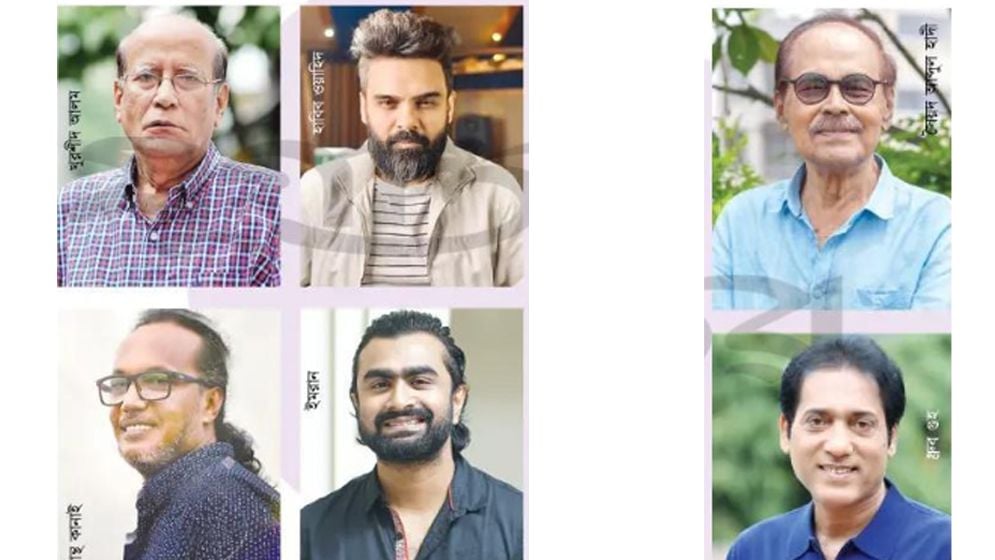
The familiar melodies, lyrical depth, and timeless emotional pull of vintage tracks are reclaiming a powerful space in the modern music landscape. Driven by rapid technological shifts, evolving youth preferences, and a collective yearning for the past, contemporary remakes of classic songs consistently command strong listener interest. Across the local music scene, breathing new life into old compositions through fresh arrangements and different voices is hardly a novel phenomenon. Yet, in the era of streaming platforms, social media, and digital video channels, the scale of this revival has expanded dramatically, sparking a pressing cultural debate: does this enduring appetite stem from pure nostalgia, or is it symptomatic of a deeper creative crisis within the industry?
A striking example of this trend is the revitalization of the classic track “Chumki Choleche Eka Pothe.” Originally immortalised by veteran singer Khurshid Alam in the film Dost Dushman, the song enjoyed massive popularity in its time. Years later, singer Pantha Kanai reinterpreted the track, winning over contemporary audiences. Continuing this journey, Pantha Kanai recently introduced a sequel titled “Aabar Chumki,” complete with a music video that recreates the cinematic aesthetic of the nineteen-sixties and seventies.
The list of reimagined cinematic gems spans numerous iconic numbers. Contemporary vocalist and music director Imran মাহমুদুল has lent his voice and arrangement skills to a series of beloved classics, including “Tumi Amar Jibon,” “Hridoyer Ayna,” “Tumi Chader Jochona Nou,” “Amar Moner Akashe Aaj Jole Shuktara,” “Anek Sadhonar Pore,” and “Prithibite Sukh Bole Jodi.” Focusing on “Amar Moner Akashe Aaj,” originally recorded by Kumar Sanu for the 1992 film Anutapta, Imran noted that he grew up listening to the track and sought to preserve its core lyrics and melody while giving it a personal touch.
Folk music has experienced a similarly robust wave of reinterpretations. Singer Habib Wahid popularised the fusion and remix trend in Bangladesh with the 2003 release of his debut album Krishno, creating a nationwide sensation. The album featured “Krishno Aila Radhar Kunje,” originally written and composed by the revered Sylheti mystic and Sufi poet Arkum Shah, with modern arrangements by Habib Wahid and lead vocals by Kaya. More recently, the Sylheti wedding folk song “Ailo Re Noya Daman,” rendered by Muja and Torsha, exploded across social media platforms, turning into a massive digital trend accompanied by countless user-generated dance videos. However, the track also highlighted ongoing issues within the industry, such as persistent debates over the original authorship and vague documentation in old radio archives.
Television dramas have also fueled the revival. The track “Book Chin Chin Korchhe,” originally popularized by Andrew Kishore and Dolly Sayontoni in the film Bastob, found a new lease of life among younger listeners through a rendition in the television drama Shilpi. Sung by Zahed Parvez Pavel and rearranged by Avraal Sahir, the digital release accumulated tens of millions of views, underscoring the immense commercial viability of remakes in the digital age.
While younger artists frequently tackle these classics, original artists have also revisited their own catalogs. Renowned singer Kumar Bishwajit previously curated a selection of forty-eight of his older songs for re-release, arguing that many exceptional tracks had failed to reach adequate audiences during their initial runs and deserved a second chance with modern production values.
The roots of the remake phenomenon in Bangladesh run even deeper than the digital age. Cassette and compact disc eras witnessed a steady stream of mixed cover albums produced by audio labels such as Soundtek, Sangeeta, and Laser Vision throughout the nineties, where prominent artists reinterpreted older film and modern tracks using contemporary pop synthesizers. Legendary voices like Abdul Jabbar, Syed Abdul Hadi, Andrew Kishore, and Sabina Yasmin also re-recorded signature tracks like “Ore Neel Duriya,” “Ekbar Jodi Keu,” “Fire Fire Aashi,” and “Ei Mon Tomake Dilam,” which generally garnered positive receptions from fans.
This raises a fundamental question: why do audiences continuously gravitate toward the past? Eminent singer Syed Abdul Hadi observes that nostalgia has transformed from a simple sentiment into a commercial product within the entertainment industry, packaging old emotions for modern consumption. Meanwhile, singer Dhrub Guha views remakes as a viable method of musical preservation, while cautioning that eroding an original artist’s unique identity or compromising the integrity of a great song remains unacceptable.
A crucial distinction exists between thoughtful artistic reinvention and uninspired mimicry. When Nakib Khan composed Renaissance’s “Hridoy Kada Matir Kono Murti Noy,” younger artists sought proper permission before releasing their versions. Similarly, when Nakib Khan, Parth Barua, and Bappa Mazumdar revisited Renaissance’s “Aaj Je Sishu,” Bappa noted in media interviews that certain lyrical appeals remain eternal, and the goal is simply to channel that resonance toward newer generations.
Conversely, a more concerning pattern emerges when older songs are recycled purely on the strength of a familiar name and melody, devoid of genuine creative arrangement or artistic vision. In an industry where producing new original music involves financial risks, heavy promotion costs, and uncertain listener reception, leaning on established compositions often looks like a safer financial bet for producers.
Dismissing every remake as a sign of creative bankruptcy is as inaccurate as labeling every cover an artistic triumph. High-quality reinterpretations bridge the gap between past and present, whereas weak adaptations merely exploit historical popularity. The ultimate challenge facing the contemporary Bangladeshi music scene is not the act of revisiting past treasures, but nurturing a parallel environment where new, original compositions are crafted today—compositions destined to become the cherished nostalgia of tomorrow.