Beijing has launched a coordinated initiative to fortify its financial sector, injecting a combined $54 billion (348 billion yuan) into major state-owned banks and insurers. Statements released by leading financial institutions on Sunday, 6 September, confirmed that the Ministry of Finance is spearheading the massive recapitalisation push to shore up core capital buffers and stabilise the broader economy.
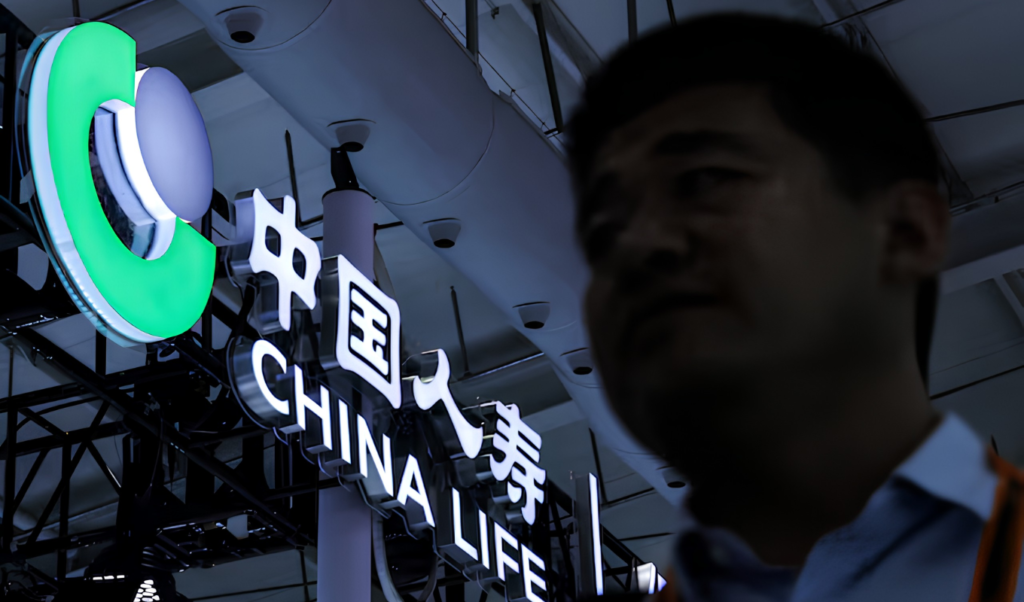
Under the capital allocation plan, state insurers will receive significant equity boosts. China Life Insurance (Group) Co, the nation’s largest life insurer, is set to receive 35 billion yuan ($5.2 billion), whilst China Taiping Insurance Group will secure 7 billion yuan. Additionally, the People’s Insurance Company (Group) of China announced plans to raise up to 15 billion yuan via a private placement of A-shares directly to the Ministry of Finance. Further capital allocations include 10 billion yuan for China Export and Credit Insurance Corp to expand its core capital base and 3 billion yuan for China Reinsurance (Group).
The targeted intervention comes as Chinese insurers face squeezed profit margins stemming from prolonged low interest rates. Deteriorating solvency ratios across small and mid-sized underwriters have heightened systemic risk, prompting regulators to step in. Reinforcing major state insurers equips them to absorb potential risks from troubled smaller peers whilst supplying long-term institutional capital to support domestic stock markets. China Life noted that the capital injection represents a vital measure to enhance risk resilience and better serve the real economy.
Parallel to the insurance interventions, state banking giants are tapping into a substantial recapitalisation scheme. Three major state lenders announced capital injections totalling 290 billion yuan, executing a broader financing roadmap originally outlined during Beijing’s annual parliamentary meetings in March.
Agricultural Bank of China and Industrial and Commercial Bank of China (ICBC)—two of the country’s largest banking institutions—plan to raise up to 160 billion yuan and 100 billion yuan respectively. These funds will be raised through private A-share placements targeting the Ministry of Finance, China National Tobacco Corp, and associated subsidiaries.
Both lenders confirmed that all proceeds will directly replenish their Core Tier 1 capital. Weak credit demand and narrowing net interest margins have weighed heavily on bank profitability in recent quarters. By bolstering the capital reserves of key lenders, Beijing aims to sustain credit growth and encourage lending as state banks are increasingly relied upon to power economic expansion across the country.