Dengue situation in the greater Mymensingh region continues to worsen as another patient lost his life to the mosquito-borne viral infection at Mymensingh Medical College Hospital. The deceased, a 22-year-old youth named Abdul Khalek, succumbed to severe dengue complications in the early hours of Monday, 7 September. His passing elevates the total dengue mortality tally at the regional hospital facility to 13 so far this year.
Abdul Khalek, a resident of Purbadhala Upazila in neighboring Netrokona district, was admitted to the hospital on the afternoon of 6 September after suffering from high fever and other characteristic symptoms of the infection. Despite being placed under close clinical monitoring, his health deteriorated rapidly overnight, leading to his death before dawn.
Providing a detailed breakdown of the hospital’s dengue situation, Dr Mustafa Faisal, an attending physician at the dedicated dengue unit, reported a continuous inflow of patients from across the division. Over the past 24 hours alone, 43 new patients showing classic symptoms of dengue fever were admitted for inpatient treatment. During the same period, 64 recovered patients were discharged after receiving necessary care. Dr Faisal confirmed that 115 patients are currently undergoing treatment in the hospital’s specialised dengue and isolation wards.
Official medical statistics reveal that a cumulative total of 1,802 dengue patients have been admitted to Mymensingh Medical College Hospital since 1 January. The facility serves as the primary tertiary healthcare center for residents across several northern districts, including Netrokona, Sherpur, and Jamalpur, putting significant pressure on the hospital’s infrastructure during peak transmission months.
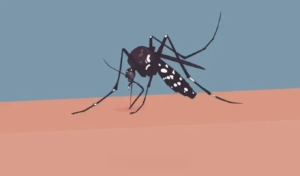
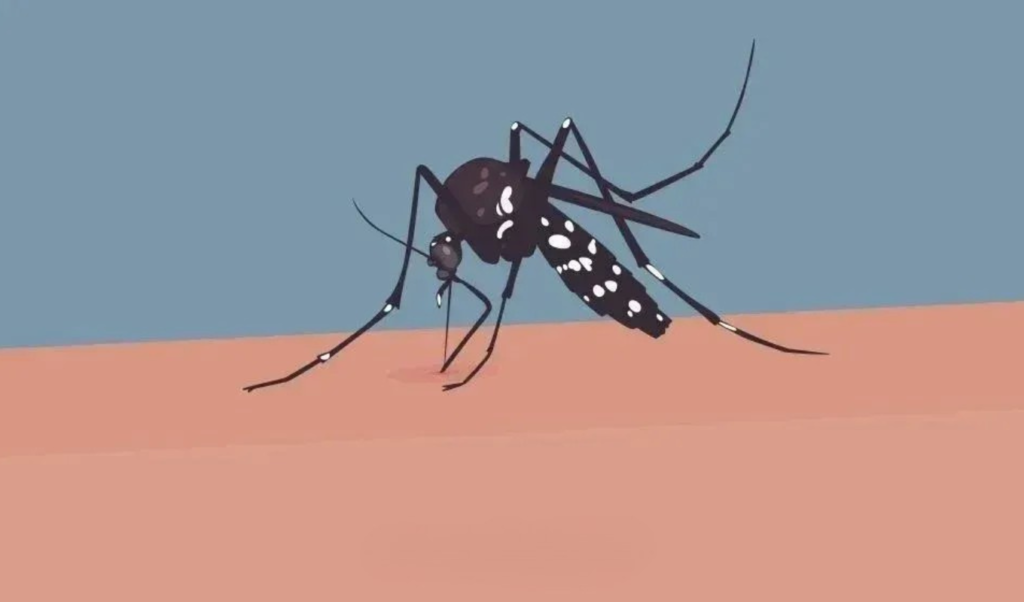
Public health experts and clinicians in the region emphasize that delayed hospital admissions remain a major contributing factor to dengue-related fatalities. Patients frequently mistake early dengue symptoms for seasonal viral fever, seeking professional medical intervention only after their platelet counts drop precipitously or internal complications develop. Medical authorities continue to advise residents to undergo NS1 antigen testing immediately upon experiencing high fever, whilst urging local administrations to intensify vector-control measures and eradicate stagnant water reservoirs that facilitate Aedes mosquito breeding.