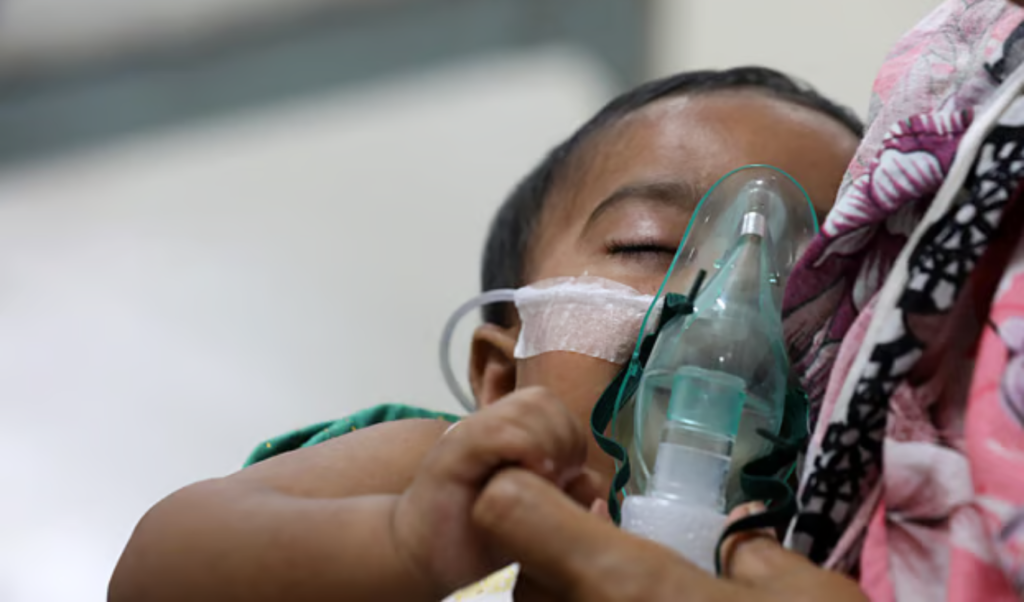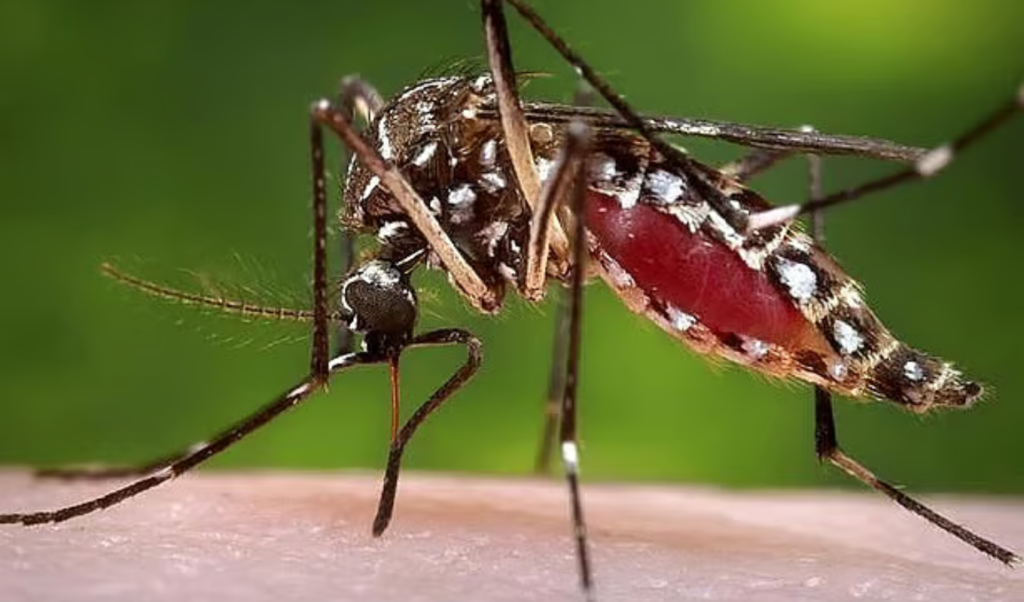
A alarming surge in dengue fever has struck Bangladesh, with September fatalities reaching 104. This single-month toll has surpassed the cumulative casualties recorded across the first eight months of the year, signalling a severe escalation in the vector-borne crisis. Figures released by the Directorate General of Health Services reveal an intensifying public health emergency as municipal authorities struggle to suppress the Aedes mosquito population.
Over the latest 24-hour reporting period, six more patients succumbed to the viral infection, whilst 1,868 individuals were admitted to healthcare facilities across the country. This follows 1,872 admissions recorded on the preceding day, reflecting a relentless pressure on hospital wards. The nationwide death toll for the year has now climbed to 201, with total hospital admissions reaching 67,367. On a positive note, 62,117 patients have successfully recovered and been discharged so far, including 1,557 individuals released during the last 24 hours.
Hospitalisation records from the past day highlight the widespread geographic distribution of the outbreak across all major administrative divisions:
-
Dhaka Division (excluding City Corporations): 405 admissions
-
Chittagong Division: 317 admissions
-
Khulna Division: 280 admissions
-
Dhaka South City Corporation: 179 admissions
-
Barisal Division: 178 admissions
-
Dhaka North City Corporation: 173 admissions
-
Rajshahi Division: 156 admissions
-
Mymensingh Division: 113 admissions
-
Rangpur Division: 59 admissions
-
Sylhet Division: 8 admissions
The trajectory of the outbreak shows a sharp turn for the worse heading into autumn. Earlier in the year, monthly fatalities remained comparatively low before rising to 36 in July. August marked a steeper climb with 43 deaths and 20,536 hospitalisations. September, however, has shattered these benchmarks; admissions for the month have already reached 31,521, accompanied by a steep rise in fatalities.
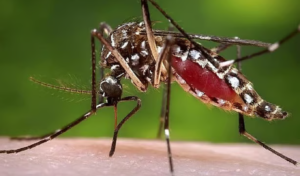
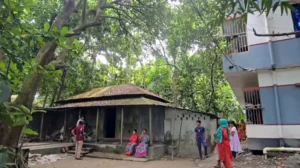
Medical professionals point out that intermittent monsoon rainfall created ideal breeding conditions for Aedes aegypti mosquitoes in stagnant water collected in urban containers, construction sites, and residential compounds. The sudden influx of patients exhibiting severe complications, such as dengue haemorrhagic fever and fluid accumulation, continues to stretch emergency services and critical care units. Public health experts stress that urgent larval source management, community awareness, and prompt medical intervention remain vital to curbing transmission before the seasonal peak subsides.