The dispute over Iran’s nuclear programme has intensified after the United States accused Tehran of continuing uranium enrichment at levels of up to 60 per cent and refusing to abandon activities that Washington considers inconsistent with its international obligations.
Speaking at a significant United Nations Security Council meeting, US Ambassador Mike Waltz alleged that Iran was continuing its nuclear programme despite repeated international demands for greater transparency and restrictions on enrichment. He said Tehran was enriching uranium to as much as 60 per cent and argued that Washington had not seen a credible civilian or peaceful justification for enrichment at that level.
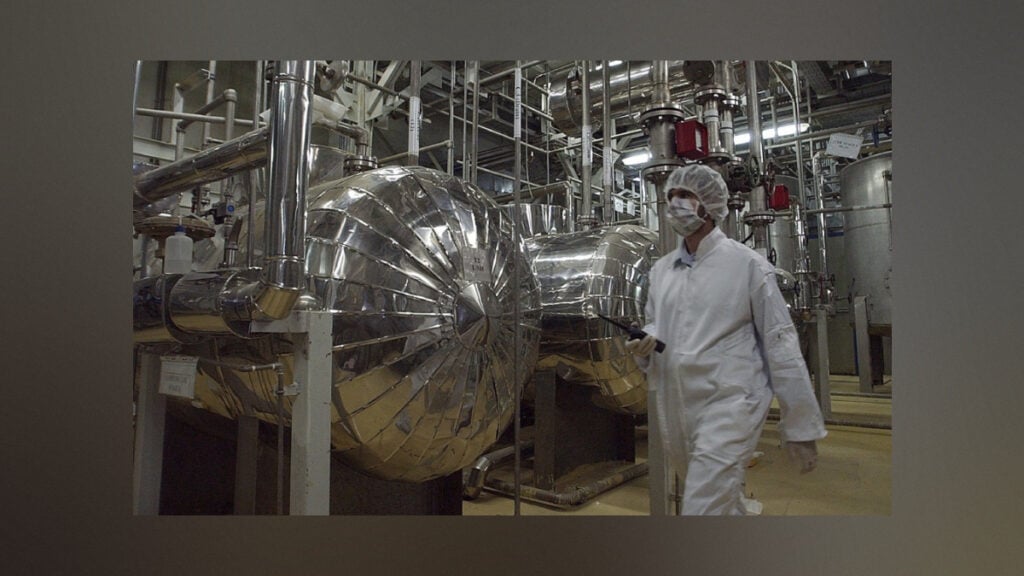
Uranium enrichment is a central issue in the long-running dispute over Iran’s nuclear activities. Enrichment increases the concentration of the uranium-235 isotope, allowing uranium to be used for different purposes depending on the level of enrichment. Low-enriched uranium can be used as fuel for civilian nuclear power reactors, while substantially higher levels can have applications relevant to nuclear weapons programmes.
Iran, however, has consistently maintained that its nuclear activities are intended for peaceful purposes. Tehran argues that, under the Nuclear Non-Proliferation Treaty (NPT), it has a right to develop civilian nuclear technology, including uranium enrichment, provided it fulfils its international obligations.
Waltz also accused Iran of restricting access for inspectors from the International Atomic Energy Agency (IAEA), the United Nations nuclear watchdog responsible for monitoring nuclear activities and verifying compliance with relevant safeguards arrangements. According to the US position presented at the Security Council, restrictions on inspections have made it more difficult for the international community to establish a clear picture of Iran’s nuclear activities.
The US ambassador further said that Iran’s continued alleged violations had prompted the IAEA Board of Governors to refer the matter to the Security Council. He also claimed that Washington had repeatedly called on Tehran to change course, but Iranian negotiators had rejected proposals aimed at limiting its nuclear programme.
Iran has rejected the American allegations and demands to halt uranium enrichment. Tehran says its nuclear programme is entirely peaceful and that its enrichment activities fall within the rights provided under the NPT. Iranian officials have also challenged the interpretation of their activities by the United States and other Western governments.
The disagreement extends to the role of the IAEA itself. Iranian officials have accused the agency of adopting a biased approach and have described some of its recent resolutions as politically motivated. Tehran has argued that the agency’s decisions reflect Western interests rather than an impartial assessment of Iran’s nuclear activities.
The dispute therefore centres on two closely connected questions: the extent of Iran’s uranium enrichment and the level of access available to international inspectors. The United States views the continued enrichment and restrictions on monitoring as serious concerns, while Iran insists that its nuclear programme remains peaceful and that uranium enrichment is a legitimate part of its civilian nuclear rights.
The renewed confrontation at the Security Council highlights the continuing difficulty of resolving the dispute through diplomacy. With Washington demanding greater restrictions and transparency, and Tehran defending its right to pursue enrichment, Iran’s nuclear programme remains a major issue in international efforts to prevent further escalation.