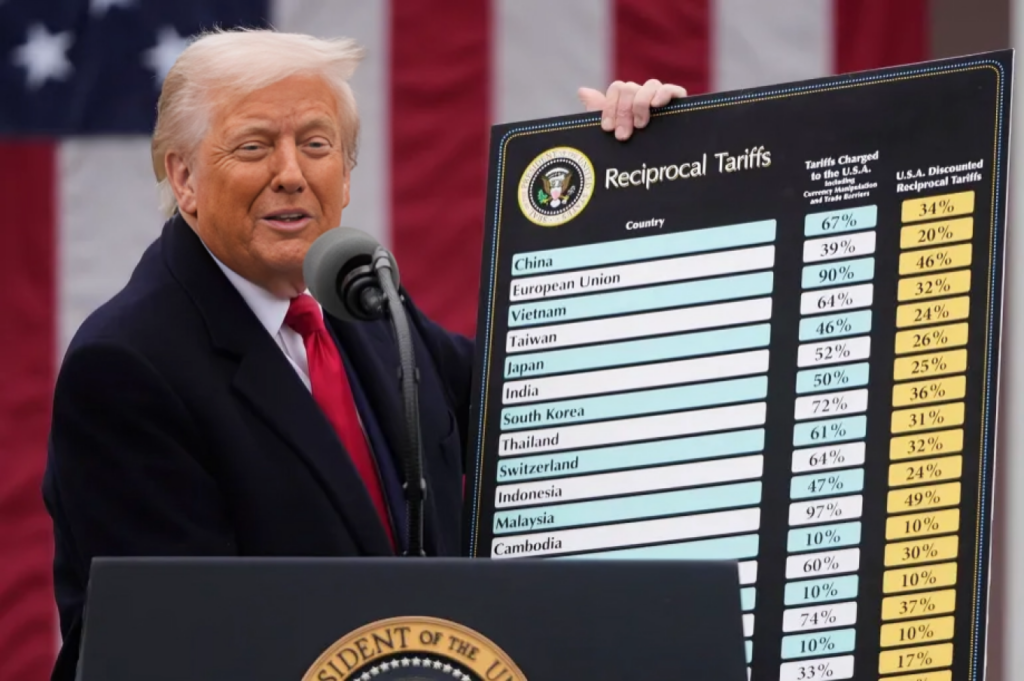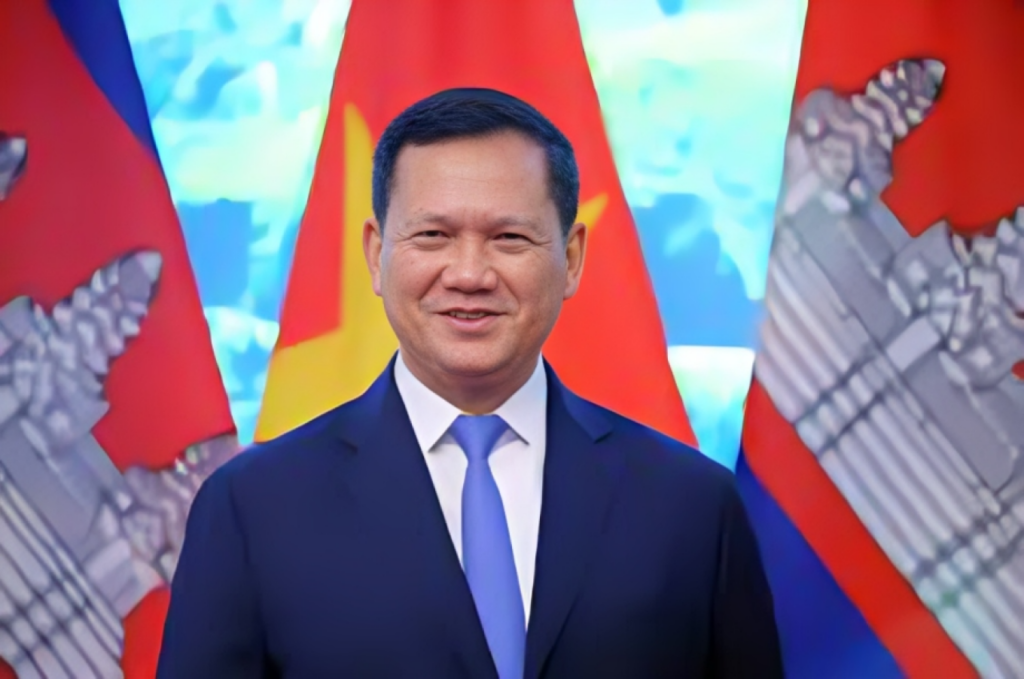
Cambodian Prime Minister Hun Manet has hailed the decision by US President Donald Trump to impose a 19 percent tariff on Cambodian goods—down from an earlier threat of 36 to 49 percent—as the “best news” for the nation’s economy and people.
In a statement posted on Facebook on Friday, Hun Manet declared:
“This is the best news for the people and economy of Cambodia to continue to develop the country.”
Evolution of Tariff Threats on Cambodia
| Tariff Stage | Proposed Rate | Details |
| Initial Threat | 49% | Part of Trump’s “Liberation Day” economic measures |
| Intermediate Revision | 36% | Softened in July following diplomatic engagement |
| Finalised Tariff (Announced Friday) | 19% | Formalised under the broader global trade regime initiated by the US |
This reduction came just days before the US tariff regime—affecting over 70 countries—is due to come into effect, following its approval by the White House on Thursday.
Cambodia’s Strategic Trade Position
Cambodia is a key supplier of low-cost garments for major Western brands. In 2024, it exported over $10 billion worth of goods to the United States, most of which originated from its garment and apparel sector.
| Trade Figures (2024) | Value / Status |
| Exports to US | $10 billion |
| Primary Export Sector | Garments & Apparel |
| Ownership of Many Factories | Predominantly Chinese-owned |
The Trump administration has, however, raised concerns that Chinese goods are being rerouted through Cambodia, enabling them to bypass higher tariffs levied on China. The White House has accused Phnom Penh of acting as a transit hub to evade US sanctions against Beijing.
Broader Diplomatic Context
The tariff decision follows a diplomatic intervention by President Trump earlier in the week, which resulted in a ceasefire between Cambodia and Thailand, ending a tense border conflict that claimed over 40 lives. This diplomatic success is seen as part of a broader US strategy to engage Indo-Pacific nations both economically and politically.
Trump’s Global Tariff Regime
The Cambodian tariff is one piece of a sweeping trade overhaul announced by President Trump, which includes:
- Tariff hikes of up to 41% on imports from 70 countries
- A deadline of 1 August for countries to finalise bilateral trade agreements
- Requirements for domestic policy reforms to address:
- Trade imbalances
- Non-tariff barriers
- National security considerations
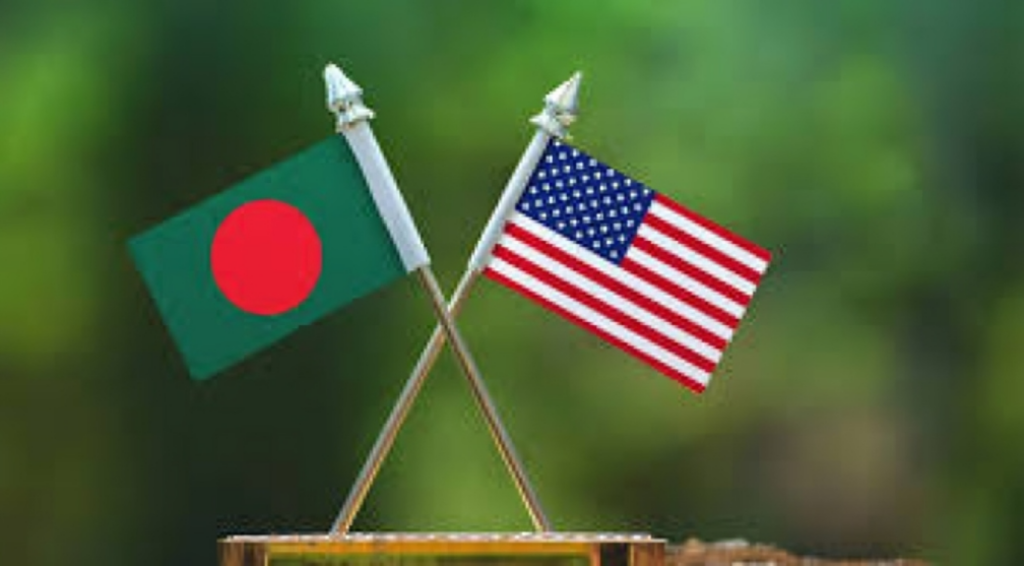
Countries that negotiated successfully, like Cambodia and Bangladesh, have been rewarded with lower tariff rates in exchange for explicit commitments to purchase American goods—especially agricultural products—to help narrow the US trade deficit.
| Country | Final US Tariff Rate | Outcome |
| Cambodia | 19% | Avoided steep penalty; hailed as major win |
| Bangladesh | 20% | Preserved apparel competitiveness |
| India | 25% | Penalised for failing to reach a full deal |
| Other 67 Nations | Up to 41% | Facing severe trade barriers |
President Trump’s executive order stipulates that the depth of each country’s economic, regulatory, and security commitments will determine their final tariff rates. Those unwilling or slow to engage have faced steep economic consequences.
Strategic Implications for Cambodia
- Averted a 36–49% tariff, which would have devastated the garment sector
- Maintained export access to the world’s largest consumer market
- Strengthened ties with Washington through recent ceasefire cooperation
- Balanced Chinese economic influence while managing scrutiny from the US
The 19% rate now allows Cambodia to remain globally competitive, protect its vital manufacturing sector, and reassure foreign investors amid a shifting global trade landscape.