Customers of 19 banks in Bangladesh are facing temporary disruptions to card, ATM, point-of-sale (POS), e-commerce and other digital banking services as part of a system upgrade and Q-Cash network migration programme.
According to separate notices issued by the affected banks, the migration work began at 9pm on 4 October and is scheduled to continue until noon on 10 October. The duration of the disruption is not identical across all institutions, with individual banks determining which services will be affected and for how long.
The banks reporting disruptions include Bank Asia, Bangladesh Krishi Bank, Janata Bank, Bengal Commercial Bank, Community Bank, Jamuna Bank, Midland Bank, Meghna Bank, Mercantile Bank, Modhumoti Bank, National Bank, NRBC Bank, NCC Bank, Rupali Bank, Shahjalal Islami Bank, Shimanto Bank, Social Islami Bank, Trust Bank and Uttara Bank.
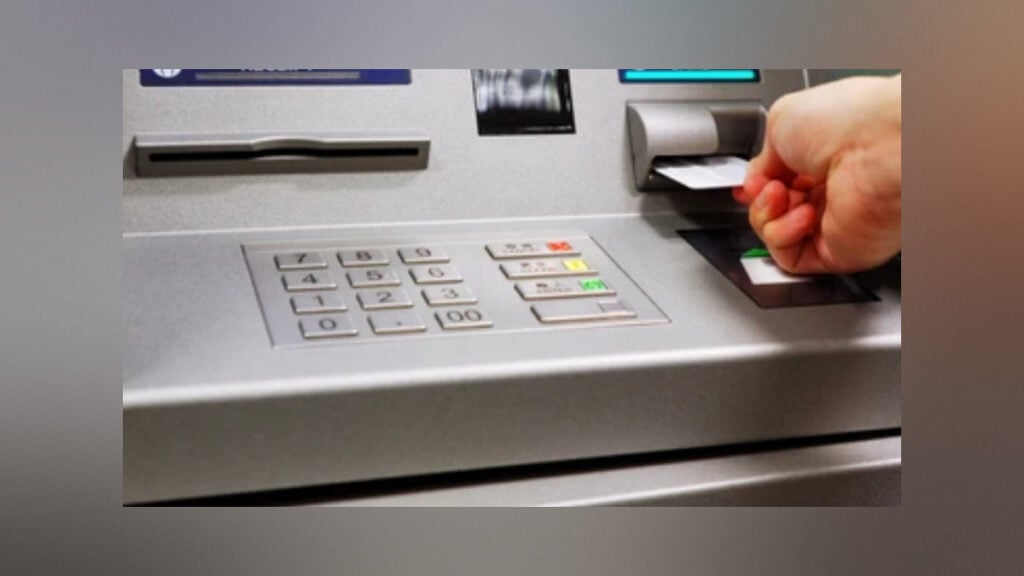
Customers of the affected institutions may encounter difficulties when withdrawing cash from ATMs, making purchases with debit or credit cards, using POS terminals or completing payments through e-commerce platforms. QR-based payments may also be affected during the migration period.
Interbank transactions through the National Payment Switch Bangladesh (NPSB) could face disruptions as well. This is particularly significant for customers who regularly transfer funds between accounts held at different banks or rely on card and digital payment services for everyday purchases.
The temporary interruption has created concern among some customers, particularly those who may need immediate access to cash or electronic payment facilities. A customer unable to withdraw money from an ATM or complete a card or online transaction may have limited options if they were not aware of the scheduled maintenance in advance.
The banks have attributed the disruption to the migration of the Q-Cash network and associated technical maintenance. System upgrades and scheduled maintenance are routine aspects of modern banking, allowing institutions to update technological infrastructure and maintain the systems that support card and digital transactions.
However, the simultaneous disruption affecting 19 banks has increased the scale of the inconvenience. When several institutions experience interruptions within the same period, customers may also find it harder to rely on alternative banking channels, particularly for ATM withdrawals and interbank transactions.
Arif Hossain Khan, executive director and spokesperson of Bangladesh Bank, said banks regularly undertake technical maintenance and system upgrades according to their individual requirements. He said the upgrade activities of the 19 banks happened to coincide this time.
Officials of the central bank have discussed the situation with the relevant banks. They have also taken steps to ensure that customers are informed in advance and receive SMS alerts about service interruptions. Timely communication is expected to give customers an opportunity to arrange essential transactions before services are temporarily suspended.
The affected banks have said that services will be restored gradually once the migration and maintenance work is completed. They have apologised to customers for the temporary inconvenience caused by the technical work.
Access to over-the-counter banking services at branches may vary from one bank to another. Customers requiring urgent assistance have therefore been advised to follow the latest instructions issued by their respective banks rather than assuming that all branch-based services will remain available throughout the migration period.
The incident has also highlighted the growing dependence on digital channels within Bangladesh’s banking system. ATMs, payment cards, POS terminals, QR payments and interbank transfers have become important parts of routine financial activity, making advance communication increasingly important whenever planned technical work is expected to affect customer services.
For customers of the affected banks, keeping track of bank notices and SMS alerts will be essential until the migration programme is completed. Once the scheduled technical work is concluded, the affected card and digital banking facilities are expected to return to normal in phases.