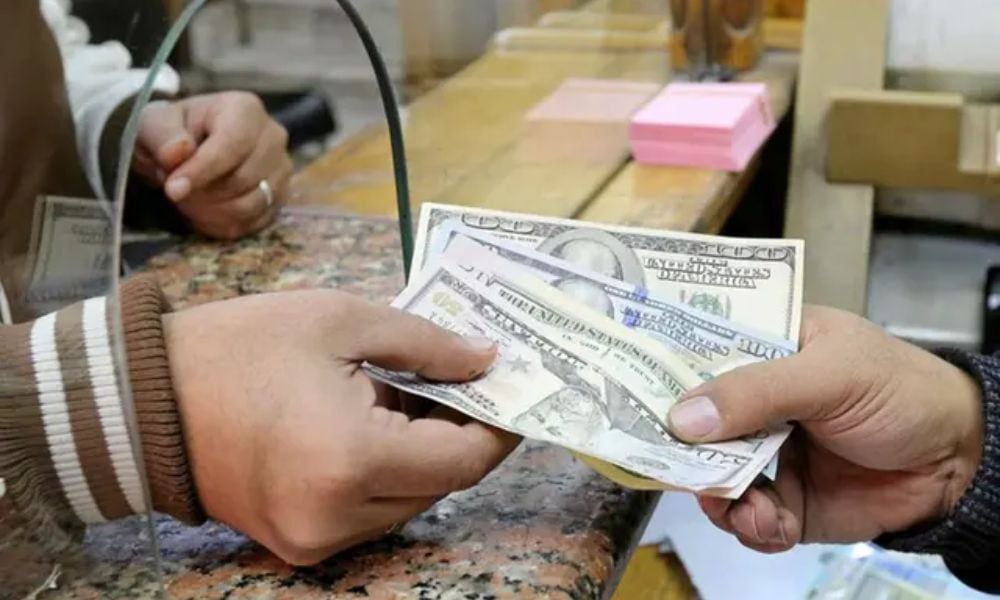
The Bangladeshi Taka has shown signs of stabilization against major foreign currencies in recent trading, offering much-needed relief to importers and domestic businesses. According to the latest figures released by Bangladesh Bank and commercial lenders on 7th October 2026, the US Dollar is currently trading at 122.97 Taka. This marks a noticeable decline from its recent peak of 123.82 Taka, easing pressures on the nation’s foreign exchange reserves and broader macroeconomic environment.
This relative calm follows a period of deliberate policy shifts. Over the past month, monetary authorities adjusted the Taka’s value downwards to align with structural benchmark conditions set by the International Monetary Fund (IMF). Despite adequate foreign liquidity in the domestic market, the adjustments were deemed essential to satisfy loan requirements and shift towards a more flexible exchange rate regime.
Financial analysts attribute the recent strengthening of the Taka to strict regulatory oversight by the central bank alongside a robust influx of inward remittances. Strong expatriate earnings have bolstered commercial bank liquidity, effectively narrowing the gap between official banking rates and the open kerb market. Consequently, cross-border trade settlements have become somewhat more predictable for local business enterprises.
Below is an overview of the key exchange rates recorded across commercial banks in Bangladesh today:
| Currency | Exchange Rate (BDT) |
| US Dollar (USD) | 122.97 |
| Euro (EUR) | 138.43 |
| British Pound (GBP) | 163.20 |
| Kuwaiti Dinar (KWD) | 395.89 |
| Singapore Dollar (SGD) | 96.26 |
| Canadian Dollar (CAD) | 86.54 |
| Australian Dollar (AUD) | 85.85 |
| Qatari Riyal (QAR) | 33.71 |
| UAE Dirham (AED) | 33.45 |
| Saudi Riyal (SAR) | 32.76 |
| Malaysian Ringgit (MYR) | 30.06 |
| Chinese Yuan (CNY) | 18.34 |
| Indian Rupee (INR) | 1.27 |
Note: Foreign exchange values remain subject to real-time market fluctuations and transaction-specific bank margins.
As Bangladesh expands its global trade footprint, maintaining stability across these currency pairings remains critical. Import-dependent sectors, particularly energy and industrial raw materials, stand to benefit directly from lower volatility in the greenback and Middle Eastern currencies. While global financial conditions remain fluid, central bank officials continue to monitor liquidity levels closely to protect the domestic economy from external shocks.