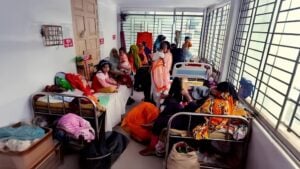
Bangladesh has recorded its highest number of dengue deaths in a single day this year, with 10 people dying from the mosquito-borne disease in the past 24 hours. At the same time, 1,996 new dengue patients were admitted to hospitals across the country, highlighting the continued pressure on the health system.
The latest deaths have taken the nationwide dengue toll for 2026 to 281, according to figures released by the Directorate General of Health Services (DGHS).
The data were published in a dengue-related press release issued by the Health Emergency Operation Centre and Control Room on Tuesday, 6 October.
The latest hospital admissions were reported from all 10 administrative areas listed in the DGHS update, with the highest number coming from Dhaka Division outside the city corporations. A total of 480 patients from those areas were admitted during the 24-hour period.
Khulna Division recorded the second-highest number, with 302 patients requiring hospital treatment. Dhaka North City Corporation reported 294 new admissions, while 252 patients were admitted in Chattogram Division.
Barishal Division recorded 204 admissions, followed by Rajshahi Division with 199. Dhaka South City Corporation reported 187 new patients. The figures were lower in Mymensingh, Rangpur and Sylhet, which recorded 96, 75 and 18 admissions respectively.
The figures show that the current dengue burden extends well beyond the capital. Although Dhaka remains a major centre of transmission and hospital admissions, significant numbers of patients are also being treated in other divisions, putting pressure on healthcare facilities outside the metropolitan area.
By 6 October, a total of 90,356 dengue patients had been admitted to hospitals across Bangladesh since the beginning of 2026. Of those, 84,299 had recovered and been discharged following treatment.
The latest figures come against the backdrop of another severe dengue season. In 2025, Bangladesh recorded 102,861 dengue cases between 1 January and 31 December, while 413 people died from the disease during the year, according to DGHS data.
With three months of 2026 still remaining, this year has already seen more than 90,000 hospital admissions. The latest single-day death toll adds to concerns over the severity of the outbreak, particularly as dengue cases continue to be reported across multiple regions.
Dengue is transmitted by Aedes mosquitoes, which can breed in stagnant water around residential and commercial areas. Regular removal of standing water, proper waste management and measures to prevent mosquito breeding are central to reducing transmission.
For those who develop dengue symptoms, timely medical assessment is also important. Fever is a common symptom, but some patients can develop more serious complications requiring hospital care. The growing number of admissions means early recognition and appropriate treatment remain crucial, particularly for patients whose condition begins to deteriorate.
The latest DGHS figures therefore point to a sustained national health challenge rather than an outbreak limited to a particular city or region. Continued surveillance, mosquito-control measures and timely access to medical care will be important in containing further deaths and hospital admissions as the year progresses.