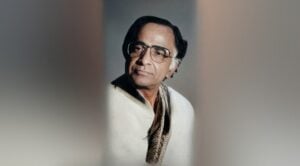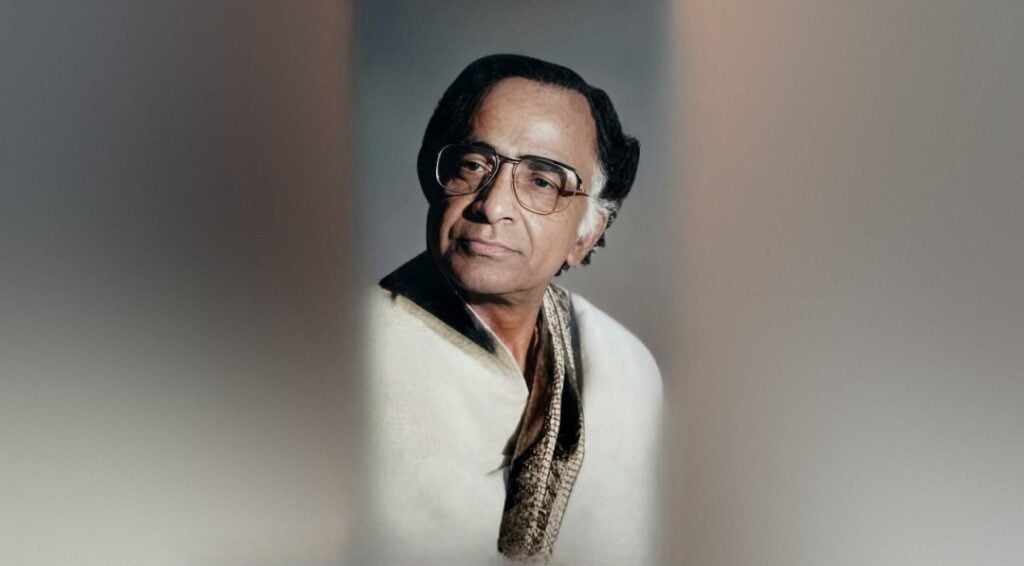
Bengal’s traditional theatre has produced many remarkable performers, but few have left as enduring a mark as Amalendu Biswas. Renowned for his exceptional acting, commanding stage presence and dedication to the development of jatra, the traditional form of Bengali folk theatre, he became one of the most celebrated figures in Bangladesh’s theatrical history. His contribution extended beyond performance, encompassing direction, theatrical innovation and the preservation of a cultural tradition deeply rooted in the lives of ordinary people.
For Biswas, jatra was far more than a form of entertainment. It was a powerful medium through which history, literature, social realities and human emotions could be brought before a mass audience. Under the glow of the stage lights, he portrayed historical figures, mythological characters and personalities caught in the conflicts of their time. His expressive voice, distinctive delivery of dialogue and ability to inhabit a character made his performances memorable for generations of theatre enthusiasts.
His artistic legacy continues to hold a special place in the cultural history of Bangladesh, particularly at a time when traditional performance forms face the challenge of attracting new audiences.
Early Life and Family Background
Amalendu Biswas was born on 29 May 1925 in Yangon, Myanmar. His father, Surendra Lal Biswas, worked in the customs department there, while his mother was known as Gyanada Devi. The family’s ancestral home was in Masjidia village, Sitakunda Upazila, in Chattogram district of present-day Bangladesh.
His early years unfolded against a backdrop of varied experiences that would eventually shape his outlook on life and art. Although his professional journey initially took him into fields far removed from the performing arts, his interest in theatre, acting and cultural activities gradually became the defining force in his life.
Biswas’s eventual transition from conventional employment to a career in jatra demonstrated the strength of his commitment to artistic expression. Rather than treating theatre as a pastime, he came to regard it as a vocation worthy of his full dedication.
From Government Employment to Theatre
After sitting his matriculation examination in 1941, Biswas joined the Air Force in Calcutta. He subsequently left that position and worked for a period in the police department. In 1944, he passed his First Arts examination from Robertson College. Three years later, in 1947, he took up a position as an accountant with the then East Pakistan Railway.
Despite these professional commitments, his interests remained firmly connected to theatre, acting and mass music. The conventional routine of employment could not satisfy his growing desire to participate in cultural and political activities.
His involvement in the anti-Ayub movement also reflected his engagement with the political circumstances of his time. Biographical accounts indicate that a warrant was issued against him in connection with his participation in the movement.
A decisive turning point came in 1950, when he established Babul Theatre with several fellow artists. The initiative marked the beginning of a new chapter in his life, allowing him to pursue his theatrical ambitions more directly.
He eventually left his railway job to devote himself fully to jatra. Under his leadership and guidance, Babul Theatre developed into the popular Babul Opera, becoming an important platform for his artistic work.
The establishment and development of the troupe represented more than an individual career choice. It reflected his determination to strengthen a traditional theatrical form that depended on live performance, the relationship between actors and audiences, and the ability to communicate compelling stories to people from diverse social backgrounds.
A Distinctive Actor and Accomplished Director
Biswas earned his reputation through the remarkable range of his performances. He was equally capable of portraying figures from mythology, historical personalities and characters drawn from contemporary social life. His greatest strength lay in his ability to convey the inner conflicts of a character, whether expressed through courage, grief, defiance, ambition or personal tragedy.
His performances combined emotional intensity with a strong command of dialogue and dramatic expression. He understood the demands of the jatra stage, where actors must hold the attention of large audiences and communicate the emotional substance of a story through voice, gesture and movement.
Over a theatrical career spanning approximately 27 years, Biswas established himself as both an accomplished actor and a respected director. His work demonstrated that jatra could engage audiences with subjects extending well beyond traditional mythological narratives.
Among the notable productions associated with his acting and direction were Michael Madhusudan, Ekṭi Poisa, Janoar, Samrat Shahjahan Badshah, Lenin, Nawab Sirajuddaula, Sohrab-Rustom, Achal Poisa, Chand Sultana, Rahugras and Jaliat.
These productions explored a broad range of themes drawn from history, literature, politics and society. Through them, Biswas helped demonstrate the versatility of jatra as a dramatic medium capable of presenting complex characters and emotionally engaging narratives to popular audiences.
His ability to establish a convincing connection with the characters he portrayed became one of the defining features of his artistic identity. Rather than relying solely on dramatic gestures or forceful dialogue, he brought a sense of emotional depth to his performances, allowing audiences to connect with the struggles and motivations of the figures on stage.
One of the notable milestones in his career came in 1978–79, when his production of Michael Madhusudan, in which he also performed, received widespread acclaim. The success of the play demonstrated his abilities as both a performer and a director, reinforcing his standing in the world of Bengali folk theatre.
Artistic Partnerships and Family Life
Collaboration played an important role in Biswas’s theatrical career. Celebrated performer Manjushree Mukherjee, widely known as the “First Lady” of jatra, appeared as the heroine in many of his productions. Their artistic partnership became a particular attraction for audiences who followed the traditional theatre circuit.
The chemistry between leading performers is often central to the success of stage productions, especially in a form such as jatra, where dramatic relationships and emotionally charged confrontations are essential to the storytelling. Their association contributed to the appeal of the productions in which they worked together.
In his personal life, Biswas was married to Jyotsna Biswas, herself a distinguished figure in jatra and widely known as the Empress of Jatra. Their daughter, Aruna Biswas, went on to establish herself as a recognised actress in film and television.
The family’s collective involvement in the performing arts reflects the continuing relationship between theatre and cultural life in Bengal. Across generations, members of the family have contributed to the entertainment industry, helping sustain a connection with the artistic traditions that shaped Biswas’s career.
Awards and Recognition
Biswas received recognition for his outstanding contribution to jatra through awards and honours during his lifetime. At the Jatra Festival organised by the Bangladesh Shilpakala Academy in 1979–80, he received the Best Actor honour and award on two occasions.
These distinctions recognised his achievements in a theatrical form that demands considerable versatility. Performers must sustain audience engagement, convey elaborate narratives and adapt their acting to the scale and style of open-air or large-stage productions.
His contribution was also recognised posthumously through the Ekushey Padak, one of Bangladesh’s important civilian honours, awarded for outstanding contributions to the country’s cultural life.
The recognition was significant not only for Biswas himself but also for the traditional theatrical form to which he devoted his career. Honouring an artist associated with jatra helped acknowledge the cultural importance of a performance tradition that has long served as a vehicle for storytelling, social commentary and popular entertainment.
For Biswas, such recognition represented the lasting value of years of dedication to an art form that demands both individual talent and sustained collective effort.
A Lasting Legacy Beyond His Lifetime
Amalendu Biswas died on 13 October 1987, leaving behind a profound sense of loss in Bangladesh’s jatra community. His death marked the end of a remarkable artistic journey, but it did not diminish the influence of his performances or his contribution to the development of traditional theatre.
His career illustrates how an individual artist can help shape the identity and direction of an entire performance tradition. By moving from conventional employment into the world of jatra, he chose a demanding artistic path and dedicated himself to expanding its possibilities.
His work also serves as a reminder that traditional theatre can remain relevant when it addresses universal human emotions and engages with the social and historical concerns of its audience. Through productions based on historical personalities, literary figures and social conflicts, Biswas demonstrated the capacity of jatra to entertain while encouraging audiences to reflect on the world around them.
The continued remembrance of artists such as Biswas is particularly important for younger generations of performers. Their careers offer valuable lessons in discipline, artistic commitment and the importance of preserving cultural heritage without limiting its creative potential.
As Bangladesh remembers him on the anniversary of his death, Amalendu Biswas remains an enduring symbol of dedication to the stage. His commanding performances, directorial achievements and commitment to the development of jatra secured his place among the celebrated figures of Bengali theatre.
His life was a testament to the power of artistic conviction. He transformed his passion into a lifelong pursuit, helped establish a popular theatrical institution and left behind a body of work that continues to form part of the cultural memory of Bengal.
On his death anniversary, heartfelt tribute is paid to Amalendu Biswas, the legendary master of the jatra stage. May his artistic achievements continue to inspire future generations of theatre practitioners, and may his name remain alive in the history, traditions and collective memory of Bengali performing arts.