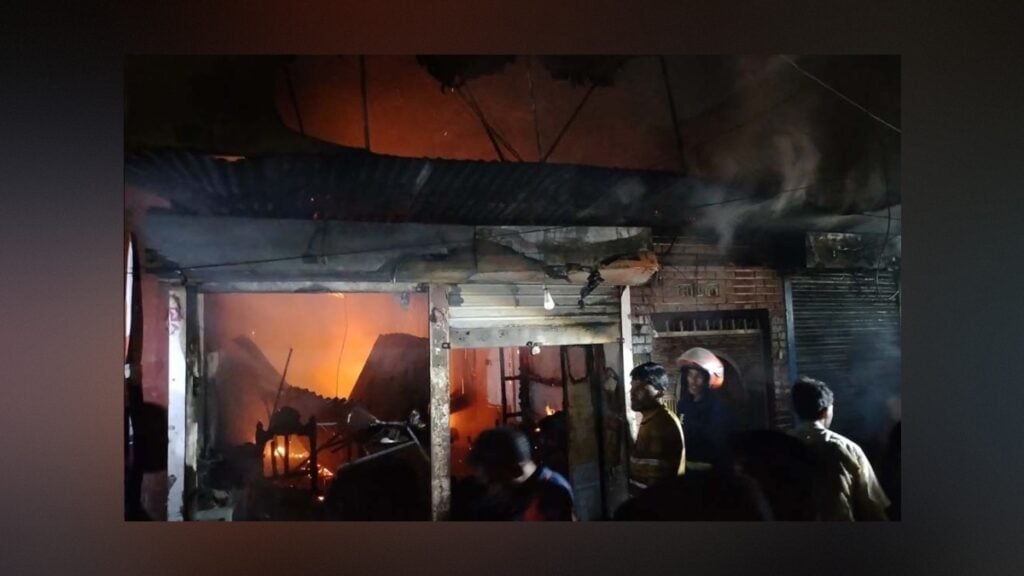
Saudi Arabia’s General Authority of Civil Aviation (GACA) said in a statement that all those injured had been transferred to hospital for treatment. Their injuries ranged from minor to serious. Details about the nature of the attack, those responsible and its impact on airport operations were not immediately available.
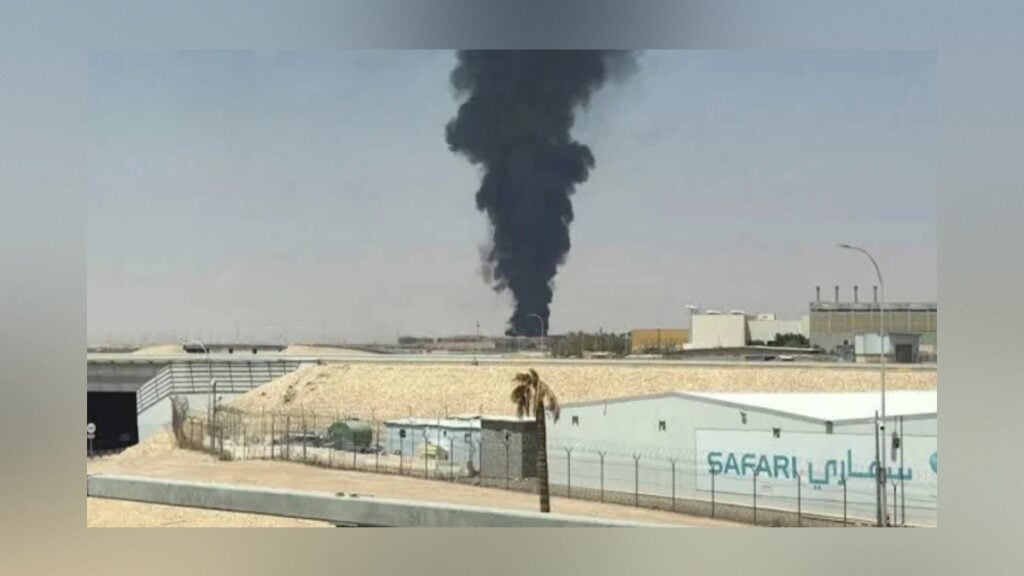
The airport incident came on the same day as a separate drone attack targeting the Shaybah oilfield, a major energy facility operated by Saudi Aramco. Two people were reportedly killed while efforts were under way to intercept the drone attack. It was not immediately clear whether the two incidents were connected.
The latest developments have raised concerns about the security of Saudi Arabia’s critical infrastructure, including airports and oil facilities. An attack on such sites can threaten civilian lives and disrupt transport networks, while incidents involving energy installations may also raise concerns about the stability of oil supplies.
Rising security concerns across Saudi Arabia
Saudi Arabia has faced security threats linked to the long-running conflict in neighbouring Yemen. The confrontation involving Houthi forces and the internationally recognised Yemeni government, which has received Saudi support, has repeatedly raised fears of cross-border attacks.
Drones and missiles have been among the weapons used in attacks associated with the wider conflict. Airports, energy installations and other strategically important sites are particularly sensitive targets because damage to them can have consequences beyond the immediate area.
The latest incident in Dammam follows previous attacks reported at King Khalid International Airport in the Saudi capital, Riyadh. An earlier attack there reportedly killed one person and injured 11 others. A separate incident at the same airport in October was reported to have left 12 people dead and more than 300 injured.
The reported casualties from these incidents underline the potential human cost of attacks on civilian infrastructure. Airports are essential to domestic and international travel, while major oil facilities play a significant role in Saudi Arabia’s economy and global energy markets.
However, the precise circumstances surrounding the reported attacks, including the weapons used and the extent of the damage, were not immediately clear from the available information.
US orders diplomatic personnel to leave
As the security situation deteriorated, the United States Department of State reportedly instructed its diplomats stationed in Saudi Arabia and their family members to leave the country. The move reflects growing concern over the possibility of further attacks and the safety of US personnel.
The US Embassy in Riyadh also issued a security alert amid fears of additional Houthi attacks. Such warnings are intended to keep diplomatic staff and other relevant individuals informed of potential threats and encourage them to take appropriate precautions.
The reported departure order marks a significant development in the response to the deteriorating security environment. Diplomatic missions routinely assess threats to their personnel, particularly when the risk of attacks against foreign interests or civilian facilities increases.
Concerns over wider regional repercussions
The airport attack and the reported casualties at the Shaybah oilfield have intensified concerns about the vulnerability of Saudi Arabia’s transport and energy infrastructure. Although the incidents occurred on the same day, no direct link between them has been established.
Further attacks could have implications for civilian safety, international aviation and the security of energy facilities. The extent of any wider impact will depend on the scale of the incidents, the response by Saudi authorities and whether additional attacks occur.
For now, key questions remain unanswered, including who was responsible for the airport attack and whether the incidents form part of a coordinated campaign. Further official information will be needed to establish the full circumstances and assess the potential consequences for Saudi Arabia and the wider region.