Bangladesh continues to face a measles outbreak, with four more people dying after developing symptoms of the disease over the past 24 hours. During the same period, 1,314 new suspected measles cases were identified across the country, highlighting the continuing public health concerns surrounding the outbreak.
The figures were disclosed in the Directorate General of Health Services (DGHS)’s regular measles situation update, issued on Friday, 6 November. The reported deaths and suspected infections cover the 24-hour period from 8 am on 5 November to 8 am on 6 November.
According to the health authority, the latest figures indicate that the outbreak remains a significant concern for the country’s healthcare system. The identification of more than 1,300 suspected cases in a single day also underlines the importance of early detection, timely medical attention and continued disease surveillance.
Measles is a highly contagious viral disease that spreads primarily through respiratory droplets and airborne particles released when an infected person coughs, sneezes or breathes. The virus can spread rapidly, particularly in communities where vaccination coverage is inadequate or people have not received the recommended doses of the measles vaccine.
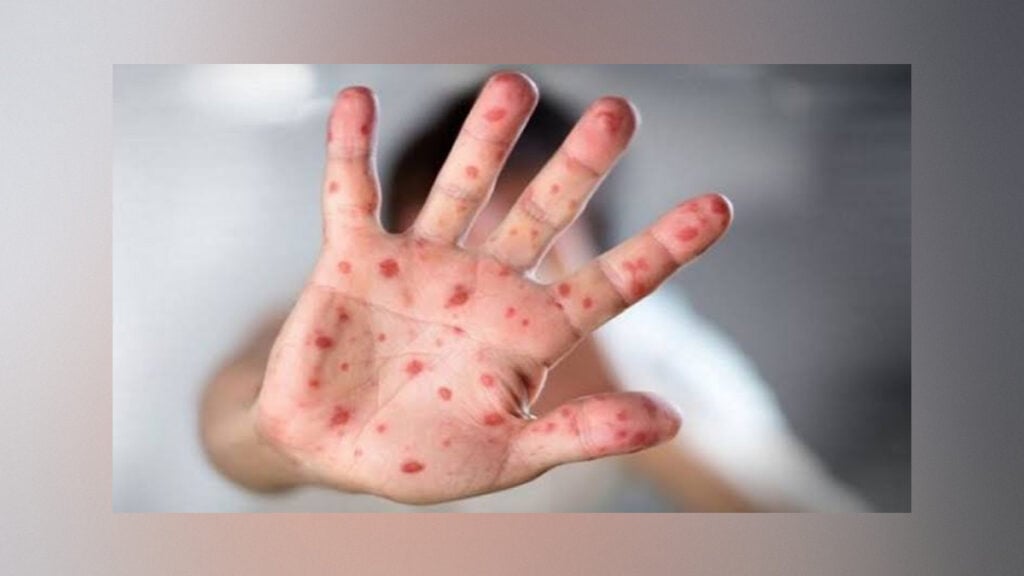
Common symptoms include high fever, a runny nose, cough, red and watery eyes, followed by a distinctive red rash that usually begins on the face before spreading across the body. Although many patients recover with appropriate supportive care, measles can lead to serious complications, including pneumonia, severe diarrhoea, dehydration and inflammation of the brain.
Young children, particularly those who are malnourished or have weakened immune systems, face a greater risk of severe illness. Infants who are too young to receive routine vaccinations are also vulnerable to infection.
Vaccination remains the most effective means of preventing measles and limiting its spread. Public health experts generally recommend maintaining high immunisation coverage, identifying suspected infections promptly and ensuring that patients receive appropriate medical care. Separating infected individuals from others can also help reduce further transmission.
The latest DGHS report, however, does not provide further details about the identities, ages or locations of those who died. It also does not specify how many of the newly identified suspected cases have been confirmed through laboratory testing.
With fresh infections and deaths continuing to be reported, sustained monitoring, effective vaccination programmes and timely healthcare services remain essential to controlling the outbreak and protecting vulnerable populations.