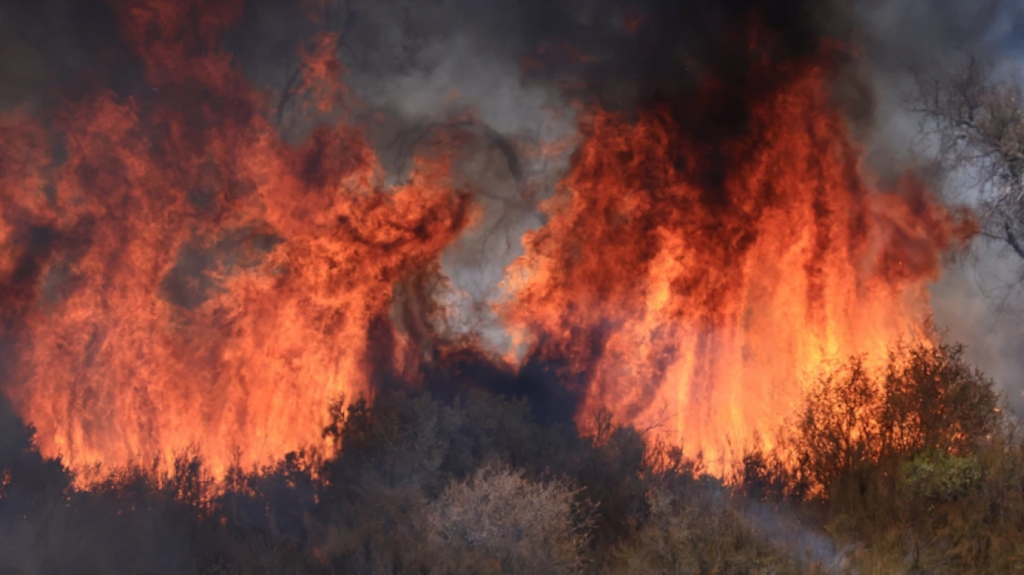
Canada has mobilised troops and coast guard personnel to its easternmost province on Thursday in response to expanding wildfires that have already forced hundreds of residents to evacuate. This development comes amid what is shaping up to be one of the country’s most destructive wildfire seasons on record.
Scope of the Wildfire Crisis
Wildfires have ravaged 7.1 million hectares (approximately 17.5 million acres) of land across Canada so far this year, according to official figures released on Wednesday. This area is nearly equivalent in size to the entire nation of Ireland.
To provide perspective:
| Year | Hectares Burned | Acres Burned | Ranking (Since 1983) |
| 1995 | 7.1 million | 17.5 million | 2nd worst (until 2025) |
| 2023 | 17.3 million | 42.7 million | Worst on record |
| 2025 | 7.1 million (so far) | 17.5 million | On track to surpass 1995 |
With 730 active wildfires currently blazing across multiple regions, and with hot, dry conditions expected to persist, the damage toll for 2025 is anticipated to surpass that of 1995. However, experts believe that this year is unlikely to eclipse the unprecedented devastation of 2023, when 17.3 million hectares were consumed by flames, drawing intense global attention to the increasing dangers of climate-driven wildfires.
Emergency Response and Evacuations
On Wednesday night, Federal Emergencies Minister Eleanor Olszewski confirmed she had authorised an “urgent request” from the province of Newfoundland and Labrador, which is experiencing worsening wildfire conditions.
“Help is on the way,” Olszewski announced via social media platform X.
Evacuation and Relief Details:
- Approximately 900 individuals in Newfoundland and Labrador have been affected by the most recent evacuation directives.
- On the west coast, British Columbia has also issued evacuation orders for hundreds due to spreading fires.
Military Assistance:
Canadian federal forces have already been deployed in Manitoba and Saskatchewan this year to support firefighting efforts, as both provinces have suffered from elevated temperatures and prolonged dry spells throughout the spring.
Climate Change and Fire Conditions
Scientists note that Canada is warming at twice the global average, a trend significantly contributing to its escalating wildfire crises.
Key climate change impacts identified by experts include:
- Reduced snowpack
- Shorter, milder winters
- Earlier onset of summer-like conditions
These environmental changes foster ideal conditions for fires to ignite and spread more rapidly and destructively.
As the wildfire season continues to intensify, the Canadian government remains on high alert, deploying resources across provinces and coordinating with local authorities in a bid to curb what is increasingly becoming a climate-fuelled national emergency.