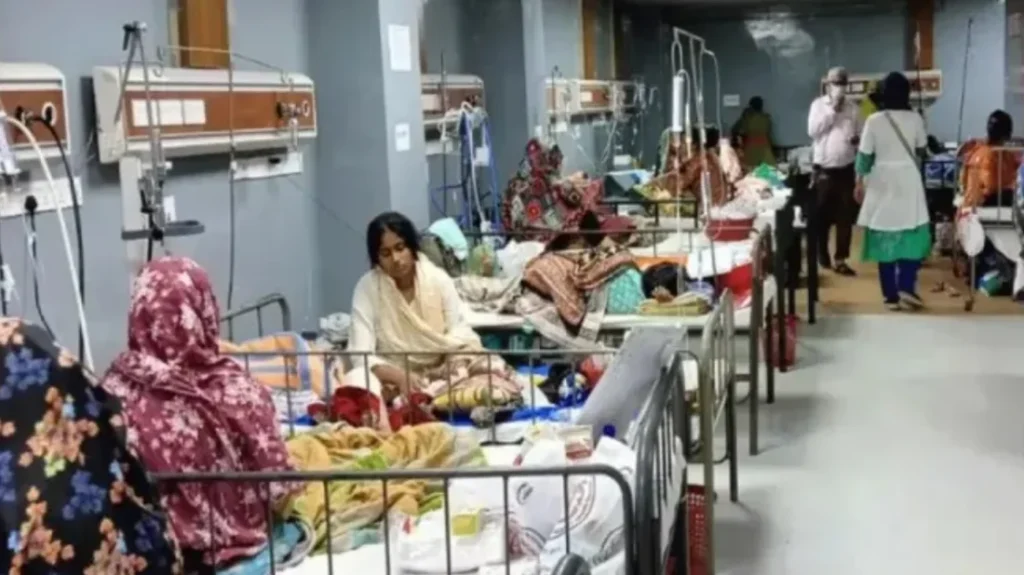
Health authorities in Bangladesh have confirmed that two more children have died from suspected measles symptoms within the past 24 hours. While no deaths were officially registered from confirmed measles during this specific window, the latest fatalities reflect a ongoing public health challenge across the country. According to official data released by the Directorate General of Health Services (DGHS) on Monday, 9 November, the nationwide death toll from both laboratory-confirmed measles and suspected symptoms has reached 1,284 since monitoring began on 15 March this year.
The latest DGHS bulletin, which compiles surveillance data up to 8:00 AM on Monday, indicates that the two recent casualties occurred in the Dhaka and Chittagong divisions. Out of the cumulative 1,284 fatalities reported over the eight-month tracking period, 105 deaths have been definitively attributed to confirmed measles following laboratory testing. The remaining 1,179 cases involved children who presented classic clinical symptoms associated with the disease prior to their death.
Epidemiological data highlights a steady stream of new infections across vulnerable communities. Over the same 24-hour reporting period, 81 new cases of measles were confirmed through diagnostic testing, taking the total number of confirmed cases nationwide to 24,523 for the year. Furthermore, health facilities recorded 1,359 new individuals displaying suspected symptoms of the virus. This brings the cumulative tally of suspected measles cases reported since mid-March to 240,199.
Measles is a highly contagious airborne viral infection that primarily targets unvaccinated young children. It manifests with symptoms such as high fever, coughing, runny nose, and a characteristic reddish skin rash. While preventable through two doses of the measles-rubella (MR) vaccine, complications can prove fatal, particularly among children suffering from severe malnutrition or weakened immune systems. Common fatal complications include severe pneumonia, encephalitis, and severe dehydration brought on by diarrhoea.
The persistence of cases underscores the critical necessity of maintaining robust routine immunization coverage, alongside targeted ring-vaccination campaigns in densely populated urban settlements and rural districts. Health officials continue to urge parents to ensure their children receive all scheduled vaccinations at local health centers to halt transmission chains and protect vulnerable infants.