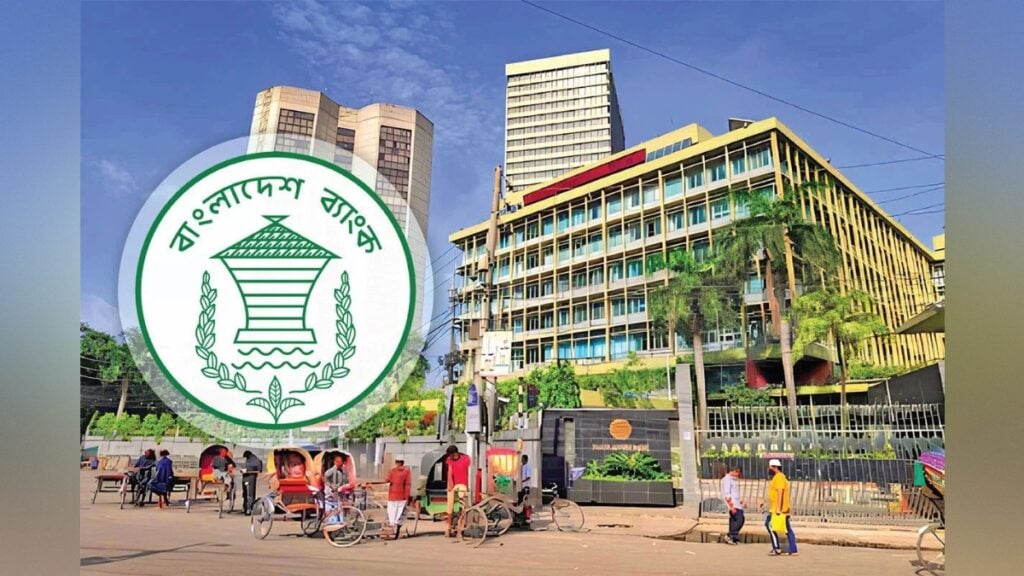
Arif Hossain Khan, executive director and spokesperson for Bangladesh Bank, confirmed the resumption of operations at around 11am on Tuesday, 10 November.
The RTGS service had been suspended earlier in the morning after a technical fault developed in the central bank’s Core Banking System. The problem temporarily disrupted the electronic facility used to transfer substantial sums of money between different banks.
Before the service was restored, Arif Hossain Khan had said that RTGS transactions were temporarily unavailable because of the technical issue affecting the CBS. He also confirmed that the relevant teams were working to identify and resolve the fault.
The temporary suspension created uncertainty for customers and institutions seeking to make time-sensitive, high-value payments. Businesses, corporate organisations and individuals who rely on rapid interbank transfers can be affected when such services become unavailable, particularly when payments need to be completed within a specific period.
The restoration of the system by 11am allowed the service to resume following the morning’s interruption.
What is the RTGS system?
Real Time Gross Settlement, commonly known as RTGS, is an electronic interbank fund transfer and settlement system operated by Bangladesh Bank. It enables customers of one bank to transfer money directly to the accounts of customers at another bank.
A key feature of the system is that each transaction is settled individually and in real time. Unlike payment arrangements that process multiple transactions together at scheduled intervals, RTGS handles each transfer separately without waiting for a batch of payments to be completed.
The system is primarily designed for high-value financial transactions. In Bangladesh, the minimum transaction amount under RTGS is generally Tk 100,000, making it particularly useful for businesses, corporate clients and individuals who need to move substantial sums between banks.
The facility plays an important role in the country’s banking infrastructure by supporting the timely settlement of large payments. It is also relevant to commercial transactions and other financial obligations where delays in transferring funds could disrupt planned activities.
Why uninterrupted operations matter
As banking services become increasingly dependent on digital infrastructure, the smooth functioning of centralised payment systems has become essential. A technical problem in the underlying banking infrastructure can temporarily affect services used by customers across multiple financial institutions.
The morning’s disruption demonstrated how an issue within the central bank’s own system can interrupt an important interbank payment facility. Although the service was unavailable for a limited period, its temporary suspension highlighted the importance of reliable technology and effective fault-resolution arrangements.
Bangladesh Bank has confirmed that the technical problem has been addressed and RTGS transactions have resumed. The restoration is expected to ease concerns among customers and businesses that depend on the facility for large and time-sensitive transfers.