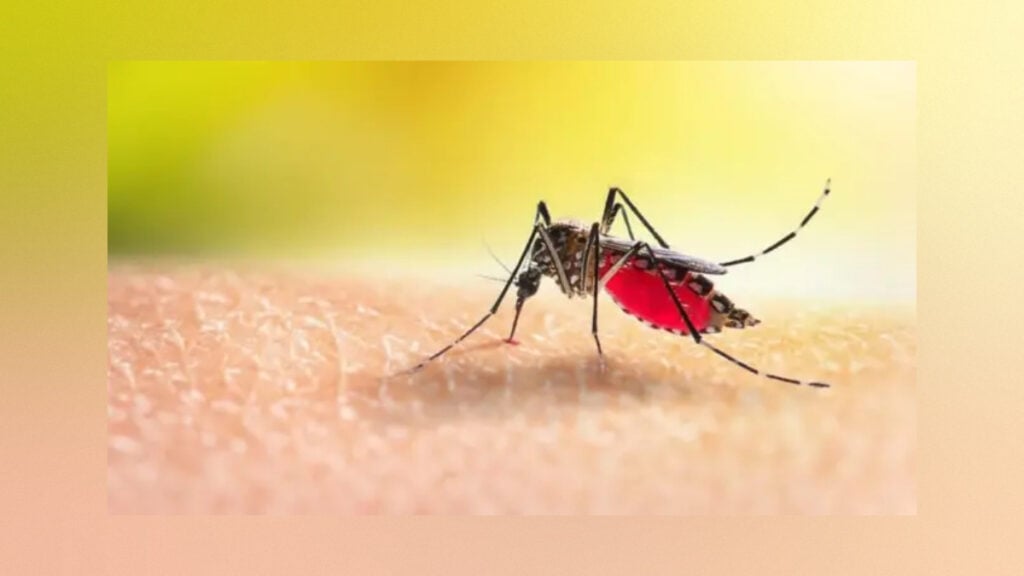
Bangladesh has reported two more deaths from dengue in the past 24 hours, while 1,255 additional patients have been admitted to hospitals with the mosquito-borne disease. The latest figures bring the country’s dengue death toll to 483 since the beginning of the year, highlighting the continued public health challenge posed by the infection.
The figures were disclosed in the Directorate General of Health Services’ (DGHS) regular dengue report published on Friday, 13 November.
According to the report, Dhaka Division recorded the highest number of new hospital admissions during the 24-hour reporting period, with 434 patients. Chattogram Division followed with 267 admissions, while Khulna Division reported 160.
Other divisions also recorded fresh cases. Barishal reported 147 hospital admissions, followed by Rajshahi with 89. Mymensingh and Rangpur each recorded 76 patients, while Sylhet reported the lowest number, with six new admissions.
The distribution of cases indicates that dengue continues to affect all eight administrative divisions, although the burden remains particularly high in Dhaka and several other major divisions.
The cumulative figures for the period from 1 January to 13 November show that Dhaka Division, including the two city corporations, accounted for 238 of the 483 reported deaths. This represents nearly half of the country’s total fatalities during the period.
Khulna Division recorded the second-highest death toll, with 85 fatalities. Chattogram reported 47 deaths, while Mymensingh recorded 39. The figures for Barishal and Rajshahi stood at 32 and 30 respectively. Rangpur reported eight deaths, while Sylhet recorded four.
Dengue is transmitted through the bite of infected Aedes mosquitoes, which commonly breed in stagnant water around residential and urban areas. Containers, flower pots, discarded tyres, uncovered water storage facilities and other objects that collect rainwater can provide suitable breeding grounds for the mosquitoes.
Public health authorities generally emphasise that preventing mosquito breeding is essential to controlling the spread of the disease. Regular inspections of homes and surrounding areas, removal of stagnant water and the use of mosquito nets and repellents can help reduce exposure.
Common symptoms of dengue include fever, headache, muscle and joint pain, pain behind the eyes and skin rashes. Some patients may develop severe complications, including persistent vomiting, abdominal pain, bleeding and breathing difficulties. Such warning signs require prompt medical attention.
Doctors also advise patients not to ignore symptoms simply because a fever has subsided, as serious complications can develop around the time the temperature returns to normal.
With 1,255 new hospital admissions recorded in a single day and the annual death toll reaching 483, the latest figures underline the need for sustained preventive measures, early diagnosis and timely medical care across the country.