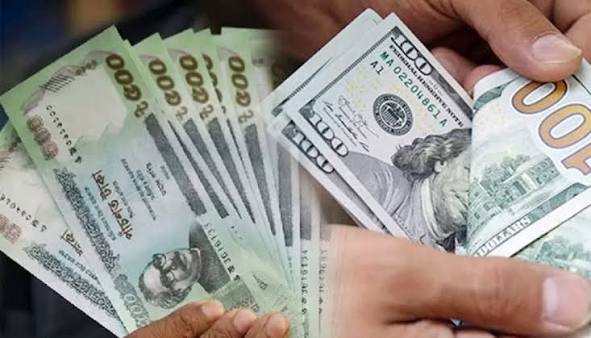
Foreign currency exchange rates against the Bangladeshi Taka (BDT) for Sunday, 15 November 2026, have been published based on official figures from Bangladesh Bank. The benchmark valuations, last updated on Saturday, 14 November 2026, serve as a crucial reference point for commercial banks, importers, exporters, and expatriate remitters tracking daily market movements.
According to the central bank’s latest release, the United States dollar remains steady, with both buying and selling rates fixed at Tk 124.75. Among major European currencies, the British pound sterling is trading at Tk 165.66 for buying and Tk 165.70 for selling, while the euro stands at Tk 138.34 for buying and Tk 138.36 for selling.
Across the Asia-Pacific region, the Singapore dollar is valued at Tk 97.11 for buying and Tk 97.16 for selling, whereas the Australian dollar is quoted at Tk 85.40 and Tk 85.42 respectively. In regional Asian trade currencies, the Chinese yuan holds an equal buying and selling rate of Tk 18.69. The Indian rupee is listed at Tk 1.33 for both buying and selling, while the Japanese yen stands at Tk 0.78 across both categories.
Daily exchange rate updates from Bangladesh Bank play a pivotal role in regulating cross-border financial transactions and maintaining stability within the domestic foreign exchange market. For businesses engaged in international trade, even fractional shifts in the Taka’s valuation against major reserve currencies can significantly affect import settlement costs, export competitiveness, and letter-of-credit margins.
At the same time, millions of Bangladeshi expatriates working across the Middle East, Europe, and Asia rely closely on official exchange benchmarks when remitting earnings home through formal banking channels. Retail customers and travellers are advised to note that while central bank figures establish the interbank baseline, commercial banks and authorised money exchangers may apply slight spreads depending on transaction volume, service charges, and prevailing market liquidity throughout the trading day.