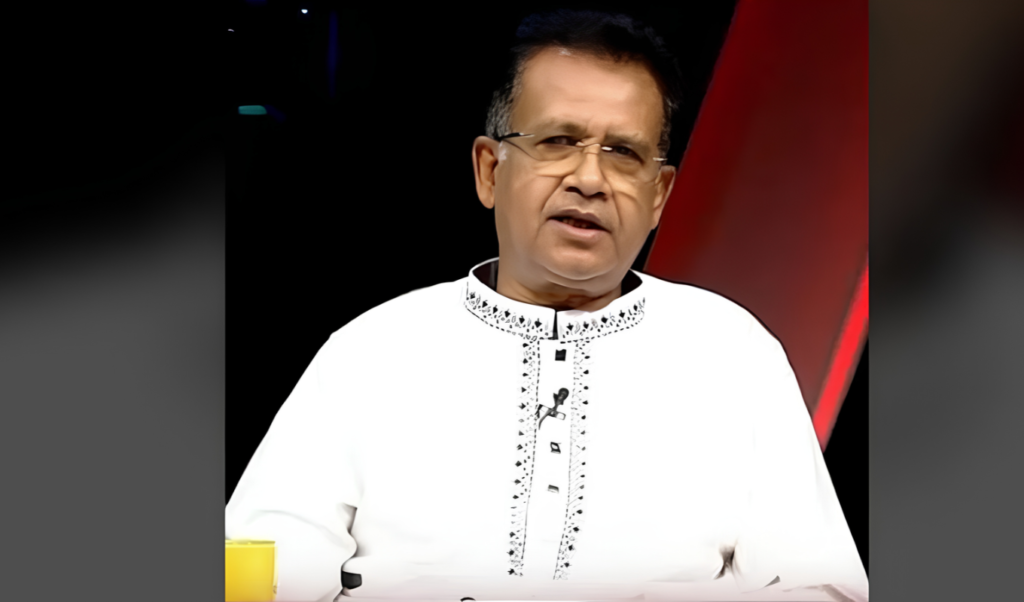
Azizul Bari Helal, Member of Parliament for Khulna-4 and Information Affairs Secretary of the Bangladesh Nationalist Party (BNP), has sharply criticised the police for setting up checkpoints and searching motorcycles across Khulna district town and its surrounding rural areas. Speaking at a prize-giving and cultural programme in Terokhada upazila last Thursday, the senior BNP leader accused law enforcement of harassing ordinary commuters while armed criminals carry out fatal shootings with impunity.
Addressing the Khulna Superintendent of Police directly during his speech, Helal questioned both the effectiveness and the tone of the ongoing roadside drives. He noted that officers have erected barricades across roads, stopping every passing motorcyclist and demanding in an abrupt, disrespectful manner to see their documents. Drug traffickers and hardened criminals in the district are already known to the authorities, he argued. Arresting those identified offenders and curbing their movement would bring genuine relief to the public. Instead, police are interrogating everyday riders in rural villages over paperwork, even though official vehicle registration and documentation routinely take time to process.
Helal warned that indiscriminate roadside checks are steadily eroding public trust and damaging the government’s standing. No administration can secure or sustain power without respecting the sentiments of ordinary citizens, he observed. Stopping people at random on public thoroughfares points to administrative mismanagement, making the government unpopular and preventing its core political message from reaching the grassroots.
Turning to the broader law and order situation, the lawmaker alleged that known criminals are roaming freely, detonating crude bombs, staging processions, and shooting people dead, while police display troubling indifference. Drawing a wider political parallel, he remarked that a party defeated in an election or a political clash retains the ability to reorganise and return. By contrast, a political force that faces prohibition after incurring public condemnation for involvement in mass killings is finished permanently. History offers no example of a party implicated in mass killings ever returning to politics, he added, insisting such groups will never stage a comeback.
Responding to the criticism, Khulna Superintendent of Police Sardar Omar Faruk defended the heightened vigilance on the roads. He stated that several murders have recently occurred in Khulna, and investigators have found that assailants are using motorcycles to execute these killings and flee the scenes. To counter this pattern and track down suspects, district police have placed added emphasis on checking two-wheelers.
The exchange highlights a growing debate in the southwestern district over policing priorities, as residents and public representatives call for targeted action against violent syndicates rather than broad checks that disrupt daily travel.