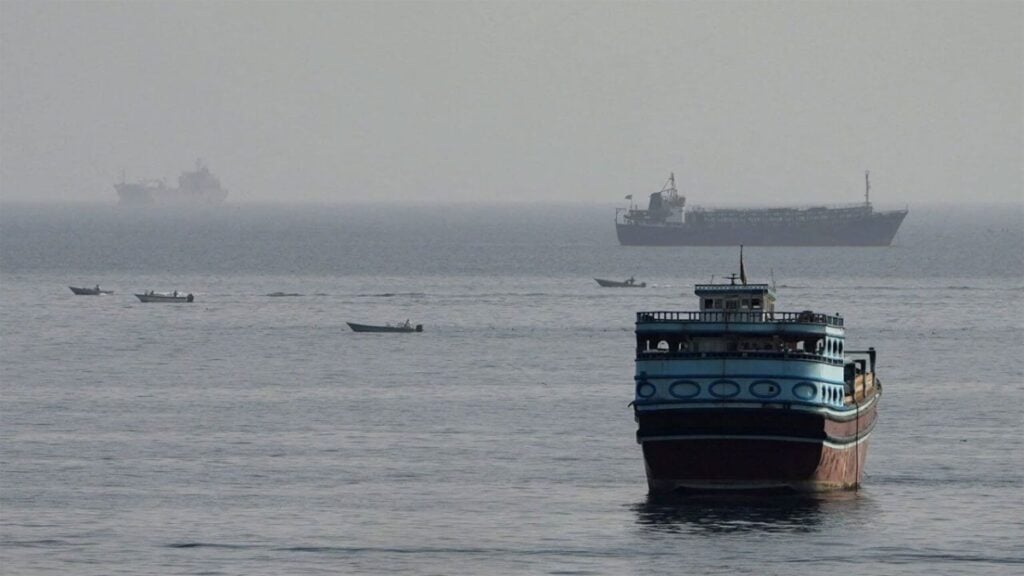
In its initial report, UKMTO said an unidentified object struck the rear section of one tanker as it was attempting to leave the Strait of Hormuz. No casualties have been reported so far.
At around the same time, another oil tanker was struck in its engine room. Details of the extent of the damage, the nature of the objects involved and the identities of those responsible for the attacks have not yet been established.
The latest incidents have raised fresh concerns about the safety of commercial shipping in one of the world’s most important maritime corridors. The Strait of Hormuz has become a major flashpoint in the ongoing confrontation between Iran and the United States, with military activity and restrictions on shipping creating uncertainty for international trade.
The conflict in the Middle East began in February following attacks on Iran by the United States and Israel. Before the outbreak of hostilities, approximately one-fifth of the world’s oil and natural gas supplies passed through the narrow waterway, making it a critical route for global energy distribution.
The strait connects the Persian Gulf with the Gulf of Oman and provides a vital export route for major energy-producing countries in the region. Saudi Arabia, Iraq, Kuwait, the United Arab Emirates and Qatar rely heavily on maritime routes in the area to transport oil and gas to international markets.
Since the conflict began, Iran has effectively halted normal shipping movements through the strategically important passage. Vessels attempting to cross the waterway without the country’s permission have reportedly faced repeated attacks, placing commercial shipping operators under considerable pressure.
The disruption has affected confidence in maritime transport and raised concerns among countries dependent on energy imports. Any prolonged interruption to shipping through the strait could have serious consequences for global energy supplies, as alternative export routes cannot easily accommodate the full volume of cargo normally transported through the passage.
In response to Iran’s actions, the United States has imposed a blockade on Iranian ports. The US Navy has also been escorting oil tankers travelling through the Strait of Hormuz to protect commercial vessels and maintain the security of maritime traffic.
The opposing measures have intensified the strategic confrontation between the two countries. While Iran has sought to restrict access to the waterway, Washington has taken steps to counter those restrictions and safeguard shipping operations.
The attacks on the two tankers on Saturday have added another layer of uncertainty to an already volatile situation. Although no deaths or injuries have been reported, damage to a vessel’s rear section and another ship’s engine room could disrupt their operations and require further safety assessments.
The developments are also being closely watched by international energy markets. The Strait of Hormuz remains particularly important to Asian economies, many of which depend on oil and gas supplies transported through the route. A prolonged disruption could push up energy prices, increase shipping and insurance costs, and place additional pressure on countries that rely heavily on imported fuel.
For the international shipping industry, the immediate concern is whether commercial vessels can continue operating safely in the area. Further attacks or restrictions could prompt shipping companies to reconsider their routes and security arrangements, potentially increasing delivery times and transportation expenses.
As tensions continue, attention is now focused on identifying those responsible for the latest attacks, assessing the damage to the two tankers and determining whether maritime traffic through the Strait of Hormuz can be maintained safely. UKMTO has not yet provided further details about the incidents.