The announcement, made on Tuesday (24 November), marks the first time Hasina has specified a date for her proposed return. Her plans could heighten political tensions and raise fresh legal and diplomatic questions, particularly as she faces a death sentence in Bangladesh.
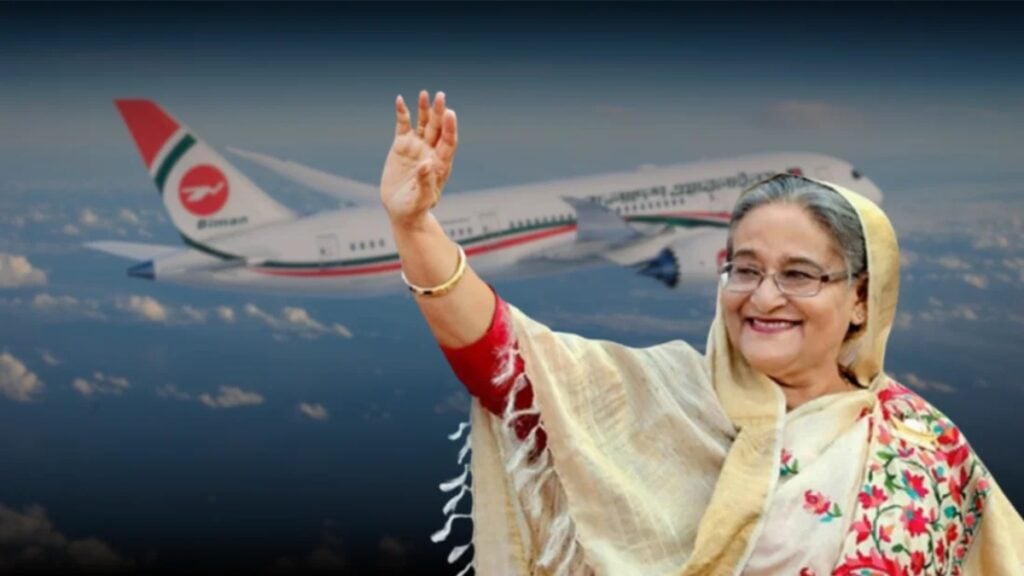
Hasina has also requested that the government arrange her return aboard an aircraft operated by Biman Bangladesh Airlines, the country’s national carrier. The request comes alongside her efforts to obtain a new passport and other travel documents after her previous papers were cancelled.
In a statement, her spokesman, Syed Mozammel Ali, said Hasina had been taken to India on a Bangladeshi aircraft on 5 August 2024, following her departure from power. He said she was now asking the government to arrange a flight from Delhi to Dhaka for her return.
Ali argued that Hasina had been sent into exile in violation of the Constitution and maintained that the government had a responsibility to facilitate her return on 16 December, Bangladesh’s Victory Day.
The date carries considerable national significance. Victory Day commemorates the surrender of Pakistani forces in Dhaka on 16 December 1971, bringing the country’s nine-month Liberation War to an end. Hasina’s decision to identify the occasion as her intended return date adds a symbolic dimension to an announcement that is already politically sensitive.
The Bangladeshi government did not immediately respond to Reuters’ request for comment on the proposed return.
A Bangladeshi minister told Reuters on Sunday that Hasina would be arrested and sent to prison if she returned, given the death sentence imposed on her. The minister also said the government had held no official discussions with India about sending an aircraft to bring her back.
Hasina was ousted on 5 August 2024 following a student-led mass uprising that brought an end to her 15-year rule. She subsequently left Bangladesh and took refuge in India, where she has remained since.
According to the United Nations, approximately 1,400 people were killed during the uprising and the crackdown that preceded Hasina’s removal from office.
In November last year, Bangladesh’s International Crimes Tribunal sentenced Hasina to death in absentia over allegations that she ordered a deadly crackdown on the student-led movement. She has consistently rejected the accusations while in exile.
Her proposed return could therefore involve significant legal complications, including the prospect of immediate arrest. The arrangements would also depend on travel documentation, government decisions and potentially diplomatic coordination between Dhaka and New Delhi.
Although Hasina’s spokesman has presented 16 December as the intended date of return, it remains unclear whether the proposed journey will proceed. The government’s position, the legal proceedings against her and the arrangements for travel are likely to determine whether she can return to Bangladesh on the day she has announced.