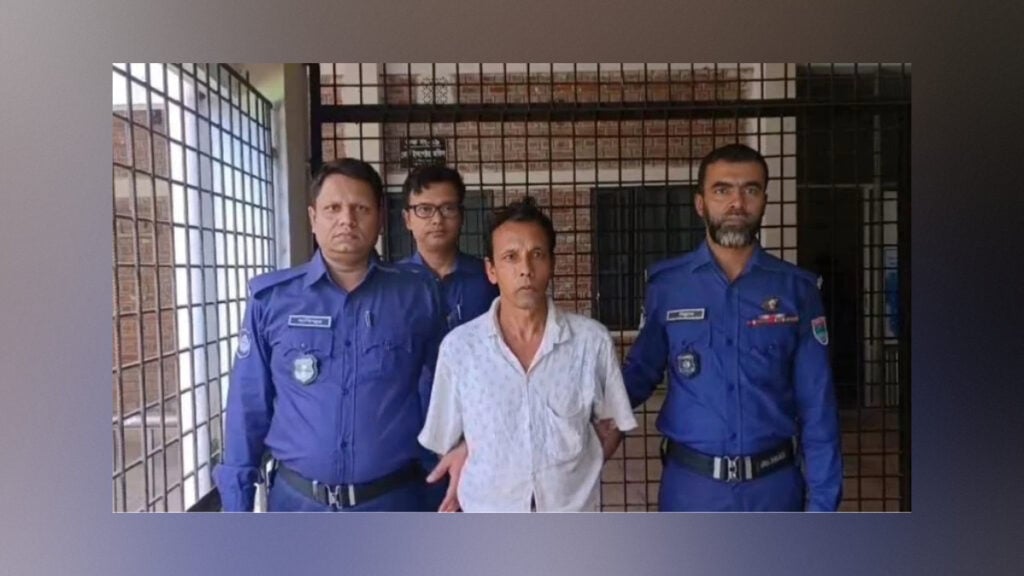
A court in Narail has sentenced a 50-year-old man to life imprisonment for the rape of a child, alongside a fine of Tk 300,000. The verdict was delivered at around 11.30am on Tuesday, 24 November, by Sheikh Shamidul Islam, judge of the Child Violence Suppression Tribunal.
The conviction was confirmed by Azibur Rahman, the court’s Public Prosecutor (PP). The convicted man, identified as Asad Mollah, is a resident of Mahajan Uttarpara in the Naragati area of Narail district. His father’s name is Amir Mollah.
According to the case statement, the incident took place on 25 March, when the child’s parents were away from home. Taking advantage of their absence, Asad Mollah allegedly raped the child by force. Following the incident, the child’s father filed a case against him, prompting legal proceedings.
The case subsequently proceeded to trial, during which the prosecution presented evidence in support of the allegations. The court recorded statements from eight witnesses as part of the proceedings. Their testimonies, alongside the evidence submitted, were examined before the court reached its decision.
After hearing arguments from both sides, the tribunal found Asad Mollah guilty and sentenced him to life imprisonment. It also imposed a financial penalty of Tk 300,000. The verdict marked the conclusion of the trial, following the examination of witness statements and other evidence presented before the court.
Sexual violence against children remains a serious criminal and social concern. Such offences can have lasting consequences for victims, affecting their physical well-being, emotional development and sense of security. Children who experience sexual abuse may require medical attention, psychological support and protection throughout the legal process.
Reporting incidents promptly and ensuring proper investigations are essential to securing justice. Equally important is the need to handle cases involving child victims with sensitivity, particularly when recording statements and presenting evidence in court. Protecting a child’s identity and privacy should remain a priority at every stage of the proceedings.
The Narail verdict highlights the role of the judicial system in addressing sexual offences against children. However, preventing such crimes requires sustained efforts beyond the courtroom. Families, communities, educational institutions and relevant authorities all have responsibilities in creating safer environments for children.
Awareness of child protection, timely reporting of abuse and access to appropriate support services are essential elements of that effort. Ensuring that allegations are investigated properly and that perpetrators are held accountable remains central to protecting children’s rights and safety.