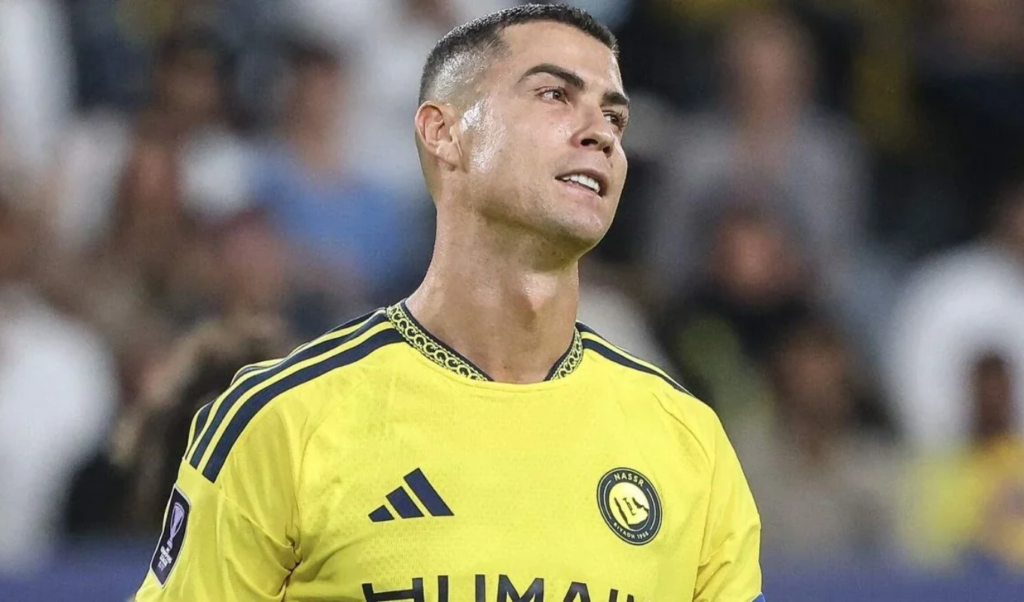
Football authorities in Saudi Arabia are weighing sweeping changes to squad registration rules in the Saudi Pro League, aiming to sharpen domestic competition and attract more global stars. If adopted, the proposals would grant clubs far greater freedom in signing overseas players. Yet as the league prepares for a potential new era, fresh uncertainty surrounds Cristiano Ronaldo’s future at Al-Nassr.
Discussions are currently underway within the Saudi Arabian Football Federation to revise foreign player quotas ahead of the 2027–28 season, according to local media reports. Officials are examining options to raise the foreign player limit per club to 14, 16, or even 18. A complete abolition of the cap is also under consideration. Should authorities scrap the limit altogether, clubs could face stricter financial and administrative oversight to maintain competitive balance. No decision has been finalised, and the federation intends to gather feedback from participating clubs before ratifying any rule changes.
Under regulations for the 2026–27 campaign, Saudi Pro League sides may register up to 10 foreign players within a 25-man main squad. That quota comprises eight senior overseas professionals and two players aged under 21, alongside an additional slot for one professional footballer born in Saudi Arabia. On league matchdays, teams are permitted to include a maximum of eight registered foreigners in their squad. Cup competitions operate differently, with both the King’s Cup and the Saudi Super Cup allowing clubs to field all 10 registered foreign players. Enacting the proposed reforms would reshape this entire framework and allow managers to rely far more heavily on international recruits.
Heavyweights such as Al-Nassr stand to gain the most from an expanded quota, as greater flexibility in the transfer market would let them assemble deeper, star-studded rosters. Such a shift could open the door to bringing in more high-calibre international talent alongside Cristiano Ronaldo, Joao Felix, and Sadio Mane. How aggressively clubs can spend, however, will hinge on the financial regulations attached to the new system.
The push to expand foreign representation has not gone unchallenged. Critics warn that an influx of overseas players could squeeze regular first-team opportunities for young Saudi footballers, potentially stalling the development of homegrown talent. To offset that risk, football officials are placing renewed emphasis on academy upgrades and creating pathways for domestic players to gain experience in foreign leagues. Through this dual approach, the federation hopes to pair international star power with sustainable local progression.
While the regulatory overhaul is slated for the 2027–28 season, doubts persist over whether Ronaldo will still be playing in Riyadh by then. The Portuguese forward’s current contract with Al-Nassr runs until 30 June 2027, keeping him at the club through the end of the 2026–27 term. Beyond that date, his next move remains unclear. Approaching the twilight of an extraordinary career, Ronaldo faces mounting speculation regarding possible retirement. As Saudi football lays the groundwork for its next phase of expansion, the biggest unanswered question is whether its most recognisable figure will still be on the pitch to witness it.