Monday, 6th April 2026

Khabor Wala Desk
Published: 16th March 2026, 7:08 PM
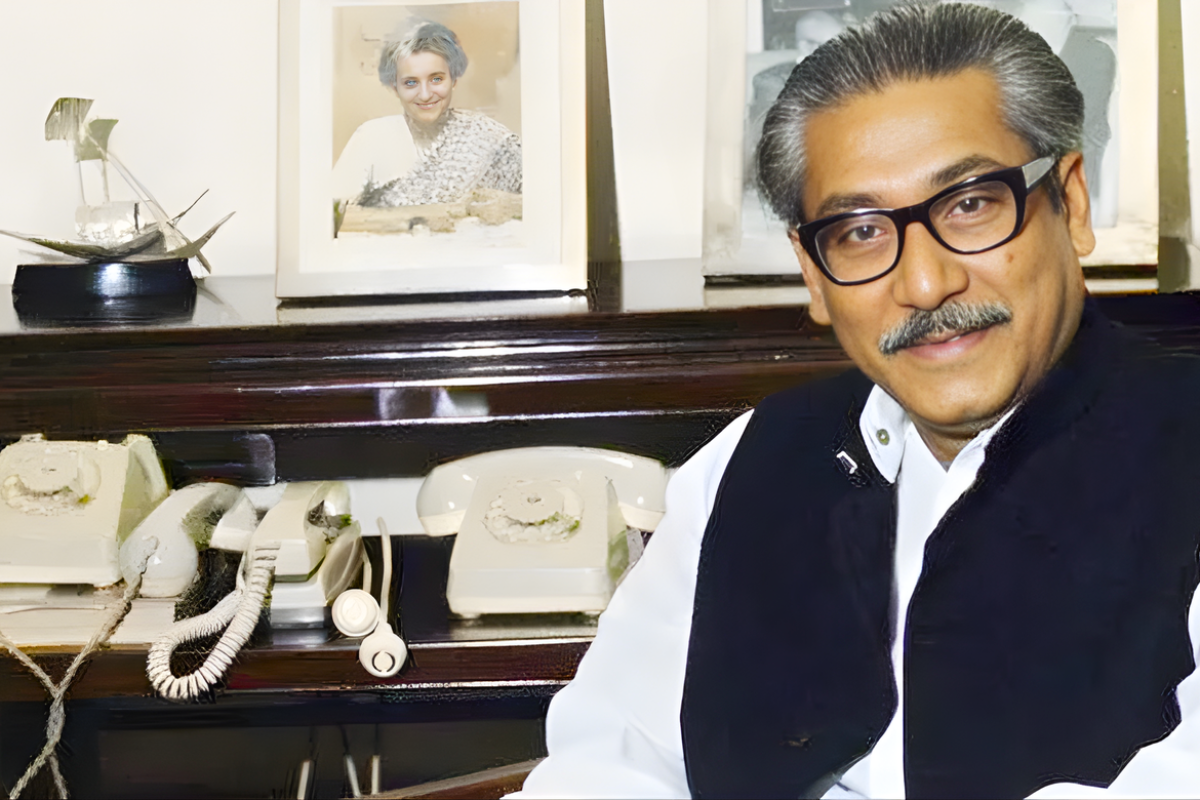
Today, 17 March 2026, marks the 106th birth anniversary of Sheikh Mujibur Rahman, the founding father of Bangladesh. Born on 17 March 1920 in Tungipara, Gopalganj, Sheikh Mujibur Rahman would grow to become the central figure in Bangladesh’s struggle for independence and the architect of the nation’s liberation. His leadership, vision, and enduring commitment to democracy and social justice have cemented his legacy as Bangabandhu – the Friend of Bengal.
Sheikh Mujibur Rahman played a pivotal role in shaping the political history of Bangladesh. From the Bengali Language Movement of 1952, through the anti-military rule protests against Ayub Khan in 1958, to the education and autonomy movements of the 1960s, he consistently championed the rights of the Bengali people. His activism against successive Pakistani military regimes often led to imprisonment, yet his resolve never wavered.
Key milestones in Sheikh Mujibur Rahman’s political career include:
| Year | Movement/Action | Significance |
|---|---|---|
| 1952 | Bengali Language Movement | Advocated for the recognition of Bangla as a state language |
| 1958 | Anti-Ayub Khan Protests | Opposed military dictatorship in Pakistan |
| 1962–69 | Education & Autonomy Movements | Led campaigns for greater regional autonomy and education reforms |
| 1970 | Pakistan General Election | Secured a historic majority for Awami League |
| 1971 | Bangladesh Liberation Movement | Guided the nation to independence from Pakistan |
Traditionally, the Awami League organises grand celebrations to honour Sheikh Mujibur Rahman’s birthday, including rallies, public ceremonies, and cultural programmes. However, this year, the celebrations are taking a more modest form. Instead of public events, the party has issued a statement through its official email communications, outlining commemorative activities and urging citizens to remember Bangabandhu’s contributions.
Despite the scaled-back format, the essence of the observance remains: recognising Sheikh Mujibur Rahman’s dedication to the Bengali people and his pivotal role in establishing an independent Bangladesh. Citizens, political leaders, and educational institutions are encouraged to reflect on his ideals, particularly his advocacy for democracy, human rights, and national unity.
Even decades after his assassination in 1975, Sheikh Mujibur Rahman’s ideals continue to inspire generations. His vision for a sovereign, equitable, and democratic Bangladesh forms the backbone of the nation’s political and cultural identity. As the country commemorates his 106th birth anniversary, citizens are reminded of the values he championed and the sacrifices he made for the freedom and dignity of Bangladesh.
Sheikh Mujibur Rahman’s enduring legacy remains a beacon of leadership, courage, and unwavering commitment to the people of Bangladesh.




Comments