Published: 21 Mar 2025, 03:54 am
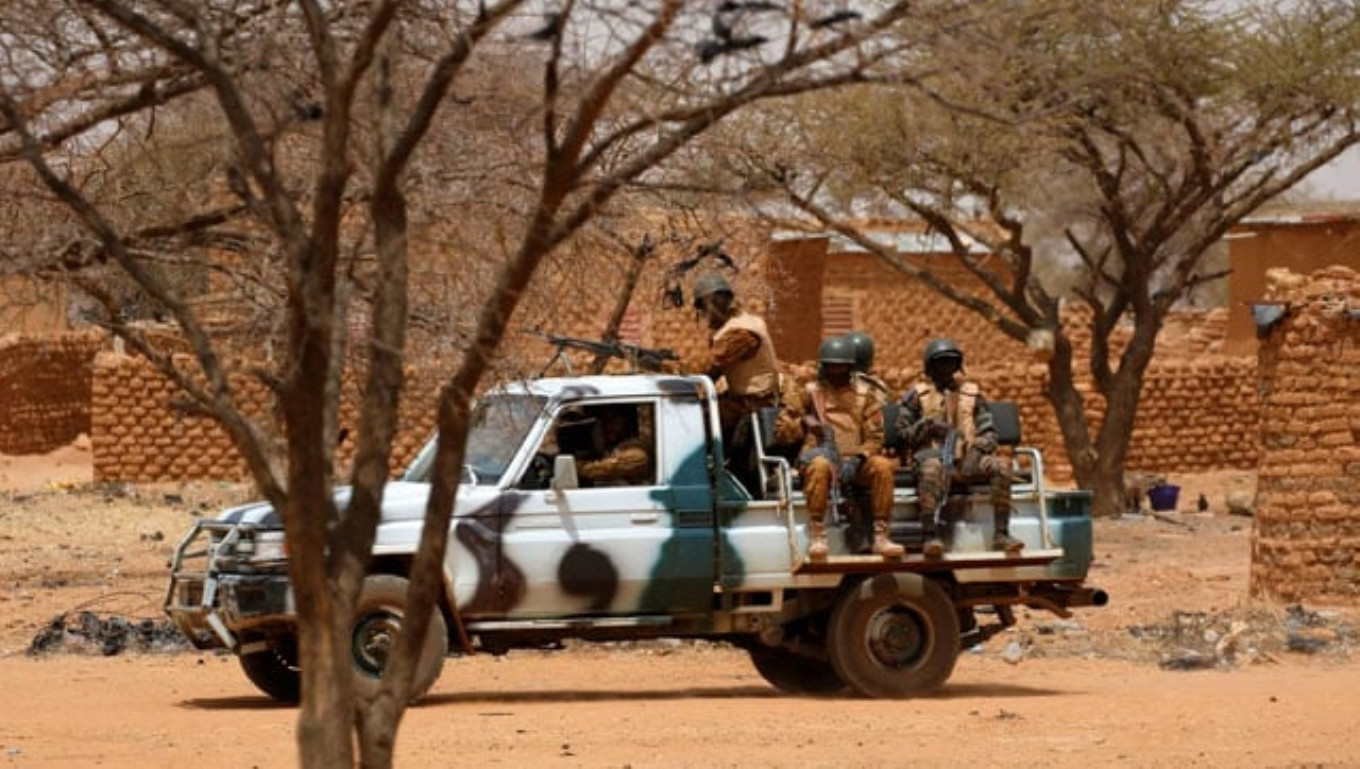
ABIDJAN, March 21, 2025 – A court in Burkina Faso has initiated an investigation into social media posts that have called for the "extermination" of the Fulani people, an ethnic group that has long been marginalised and stigmatised across the Sahel region.
The recent social media posts were in response to videos showing massacres of Fulani civilians in the Solenzo area in the western part of the country. These videos have sparked outrage, but they have also given rise to hateful messages targeting the Fulani community, with some individuals calling for their extermination. The violence, which occurred last week, has been attributed to the army and allied militias, though they have denied any involvement.
Social Media Incitement and Legal Action
In a statement issued late Thursday, Blaise Bazie, the public prosecutor for the high court in Ouagadougou, confirmed that an investigation was underway into the individuals responsible for sharing or publishing calls for "the extermination of people belonging to an ethnic group" on platforms like Facebook.
While Bazie did not explicitly name the Fulani ethnic group, it is clear from the context of the posts that the community has been the primary target. The Fulani, predominantly nomadic herders, have often been scapegoated across the Sahel, accused of collaborating with jihadist groups and even serving as the main source of recruits for these militant organisations.
Bazie stated, "Investigations are ongoing, and we aim to arrest those responsible in the coming days." He emphasised the seriousness of these calls, which he described as "speeches inciting violence," posing a grave threat to peace and social cohesion within the country. Those found guilty of spreading such incitement could face prison sentences.
The Context of Ongoing Violence
Burkina Faso has been embroiled in escalating jihadist violence since 2015, with the situation worsening following a military coup in 2022. The violence has claimed over 26,000 lives, half of which have occurred since the coup, according to data from the Armed Conflict Location & Event Data Project (ACLED), an organisation that tracks conflict-related casualties worldwide.
The Fulani community, which spans across several West African countries, has become a frequent target of both government forces and jihadist groups. In particular, accusations of collaboration with jihadists have led to their vilification and persecution. This is despite the fact that many Fulani people are also victims of the violence perpetrated by militant groups in the region.
The Fulani in the Sahel: A Divisive Issue
The Fulani people's role in the Sahel's complex security landscape remains contentious. On the one hand, they are often blamed for supporting or joining jihadist factions, with some even claiming they are the core of the region's terrorist forces. On the other hand, this generalisation fails to recognise the thousands of Fulani who have suffered at the hands of both jihadists and state actors, caught in the middle of a brutal conflict.
The Fulani's traditional lifestyle as semi-nomadic herders, combined with their widespread presence in the Sahel, has made them particularly vulnerable to exploitation by armed groups. While some Fulani may indeed be sympathetic to jihadist ideologies, many others are displaced and impoverished, living in constant fear of reprisal from both state forces and militant groups.
Global and Regional Reactions
The calls for the Fulani's extermination have sparked condemnation from human rights organisations and the international community. Many have raised concerns over the dangers of ethnic and sectarian violence in a region already struggling with instability.
The United Nations and regional bodies such as the Economic Community of West African States (ECOWAS) have urged for increased efforts to combat hate speech and protect vulnerable communities from violence. These groups have emphasised the need for dialogue and peacebuilding to prevent further escalation of ethnic tensions.
Supplementary Information:
As the investigation into the incitement of violence continues, Burkina Faso faces an urgent need for unity and efforts to bridge ethnic divides that threaten to further destabilise the region.

> Mostafiz Out, Kolkata Faces Crisis
> Subarnachar Blaze Destroys 24 Shops
> Hezbollah Strikes Israeli Military Headquarters
> Child Drowns in Rural Pond Tragedy
> Four Dead, 41 Missing After Bus Sinks at Daulatdia Ferry Terminal
> Fuel Card Rule Enforced for Motorcyclists
> Nabin Fashion Branches Remain Open Amid Controversy
> Shepherd Secures $42M to Transform Commercial Insurance
> Flights Suspended Amid Regional Tensions
> Daulatdia Bus Disaster: 12 Identified


China’s leading insurer Ping An Insurance has posted a moderate increase in annual profit for 2025,...

Chief financial officers (CFOs) within the Australian insurance sector are set to play an increasing...

Bangladesh’s external debt has surged to an unprecedented level during the tenure of the interim gov...

Foreign trade between Bangladesh and the global market continues to expand steadily, driving a growi...

A sustained downturn in global gold prices appears increasingly likely as geopolitical tensions in t...
As of December 2025, Bangladesh’s total foreign debt reached $113.51 billion, equivalent to 13,96,17...

In celebration of its 25th anniversary, Allianz Malaysia Berhad has launched a year-long campaign gr...

Liberty Specialty Markets has broadened its presence in Asia with the launch of its fine art and spe...

Singapore’s domestic general insurance sector recorded notable growth in 2025, with gross written pr...
Banking in Bangladesh has entered a new phase of inclusion, expanding far beyond its traditional urb...
Shimanto Bank has entered into a strategic partnership with Astha Life Insurance Company Ltd through...

The International Monetary Fund (IMF) has called upon Bangladesh to formulate a clear, time-bound ro...


Availabe for iphone & ipads

Available in google play
 বাংলা
বাংলা