Sunday, 5th April 2026

Khabor Wala Desk
Published: 9th February 2026, 9:03 AM
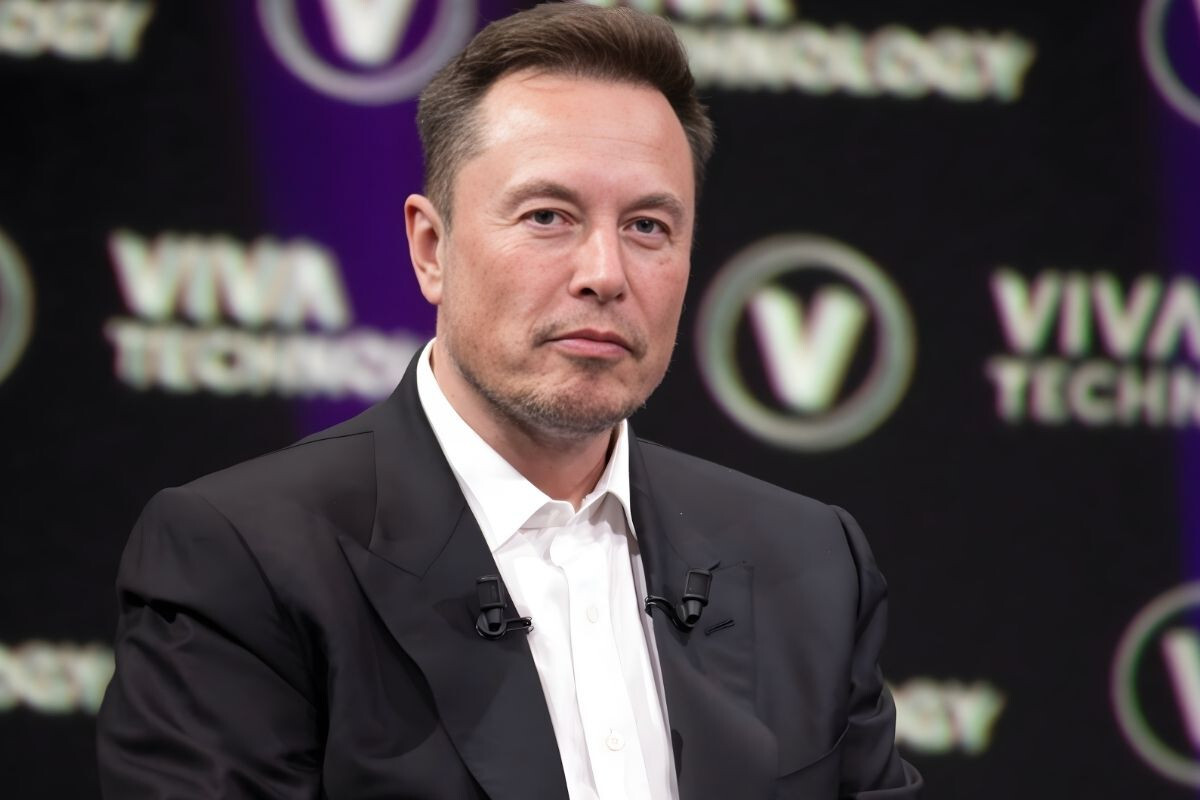
American billionaire Elon Musk has announced that his aerospace company, SpaceX, is now prioritising the construction of a fully self-sufficient city on the Moon. Musk believes that such a settlement could be established in less than a decade.
Writing on his social media platform X (formerly Twitter) on Sunday, Musk emphasised that while SpaceX continues to pursue its long-term goal of building a city on Mars within five to seven years, the immediate focus has shifted to ensuring humanity’s safety and achieving rapid lunar access.
Musk’s comments echo a report published last Friday by the Wall Street Journal, which stated that SpaceX has informed investors that the Moon has now become the company’s top priority, deferring Mars exploration to a later phase.
The company is targeting March 2027 for the landing of an unmanned spacecraft on the lunar surface. Previously, Musk had aimed to send a robotic mission to Mars by the end of 2026. The shift underscores the intense competition between the United States and China to return humans to the Moon within this decade. Notably, no human has walked on the lunar surface since NASA’s Apollo 17 mission in 1972.
In a strategic move announced less than a week ago, Musk revealed that SpaceX had acquired his artificial intelligence company, xAI. Under the agreement, SpaceX was valued at USD 100,000, while xAI’s valuation stood at USD 25 billion. Supporters argue that this acquisition will accelerate plans to build space-based data centres. Musk has suggested that as computing demands grow with AI development, operating data centres in space could prove more cost-efficient than on Earth.
SpaceX is also planning to raise approximately USD 5 billion from public markets by the end of this year, potentially marking the largest public offering in history.
On Sunday morning, Musk shared SpaceX’s first “Super Bowl” advertisement promoting its Starlink satellite internet service, signalling the company’s intent to expand its commercial presence alongside its lunar ambitions.
Meanwhile, Musk continues to advance Tesla, his publicly listed electric vehicle company. Following the global success of Tesla’s electric cars, the company is now investing USD 2 billion this year in autonomous vehicles and humanoid robots. Production adjustments at Tesla’s California factories include suspending two car models to make space for the assembly of the “Optimus” humanoid robot.
| Year | Mission / Milestone | Notes |
|---|---|---|
| 2026 | Planned Mars robotic mission | Previously targeted for end of 2026, now deferred |
| 2027 | Lunar unmanned landing | First robotic mission to Moon under new priority |
| 2030s | Moon city | Targeted fully self-sufficient lunar settlement |
| 2030s–2040s | Mars city | Long-term goal of a Martian city, 5–7 years after lunar focus |
With these ambitions, Musk continues to reshape the future of space exploration, blending commercial, technological, and interplanetary goals in an unprecedented manner.




Comments