Sunday, 5th April 2026

Khabor Wala Desk
Published: 16th February 2026, 11:36 PM
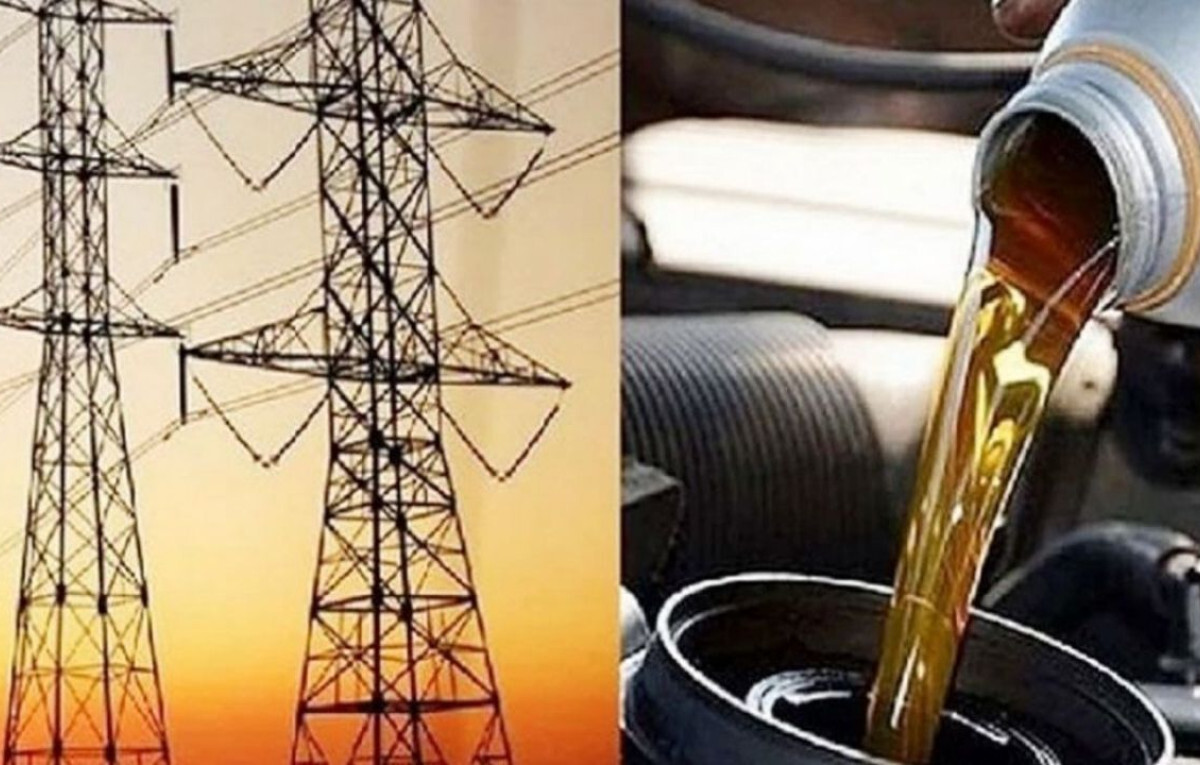
As the BNP-led alliance prepares to take the oath of office this Tuesday, 17 February 2026, following the general elections held last week, the jubilant atmosphere is tempered by a sobering reality. The incoming administration inherits a nation standing at a precarious crossroads, where economic stability is inextricably linked to a volatile energy sector. While political consolidation remains a priority, the most formidable “lion in the path” for the next five years will undoubtedly be securing the financial and physical supply of electricity and fuel.
The new government faces an immediate liquidity crisis within the power sector. A legacy of systematic mismanagement has left the Bangladesh Power Development Board (BPDB) reeling under a mountain of debt. The Bangladesh Independent Power Producers Association (BIPPA) recently sounded the alarm, revealing outstanding dues of 14,000 crore BDT. To maintain even a basic level of operational stability, private producers are demanding an immediate injection of at least 8,400 crore BDT (60% of arrears).
Furthermore, international obligations loom large. The government owes approximately $1 billion to India’s Adani Power. The structural decay is evidenced by the National Committee’s findings: while power generation capacity increased fourfold between 2011 and 2024, payments to private plants surged elevenfold, and capacity payments skyrocketed by twentyfold.
| Financial Metric | 2015 Status | 2025/26 Projection |
|---|---|---|
| PDB Annual Losses | 5,500 Crore BDT | > 50,000 Crore BDT |
| BIPPA Outstanding Dues | – | 14,000 Crore BDT |
| Adani Power Arrears | – | $1 Billion (Approx.) |
| Capacity Payment Growth | Baseline | 20x Increase |
The fuel sector presents an equally grim outlook. According to Petrobangla, the current national demand for gas stands at 3,800 million cubic feet per day (mmcfd), yet supply struggles to reach 2,900 mmcfd. This creates a daily deficit of 900 mmcfd, a gap that experts suggest is actually much wider due to inefficiencies in Liquefied Natural Gas (LNG) processing.
The previous interim administration’s decision to cancel two planned floating LNG terminals has effectively capped import capacity until at least 2030. Consequently, even if the new government possesses the foreign exchange to purchase fuel, the physical infrastructure to process it is missing.
Energy expert Dr Ijaz Hossain emphasises that the new cabinet must move decisively to reduce subsidies, which have become an unsustainable burden on the exchequer. “The government should adopt a year-on-year target to phasedown subsidies,” he noted, expressing concern that the outgoing authorities actually increased the subsidy burden this year.
To navigate this crisis, the administration must pivot toward:
Domestic Exploration: Prioritising onshore gas exploration to reduce the crippling reliance on expensive imports.
Renewable Integration: Formulating a long-term roadmap for solar and wind energy to diversify the power mix.
Contract Renegotiation: Addressing the “Special Provisions Act” contracts that have led to exorbitant capacity payments for idle plants.
The success of this government will likely be judged not by its political rhetoric, but by its ability to keep the lights on and the factories running without bankrupting the national treasury.

Comments