Monday, 6th April 2026

Khabor Wala Desk
Published: 7th March 2026, 9:38 AM
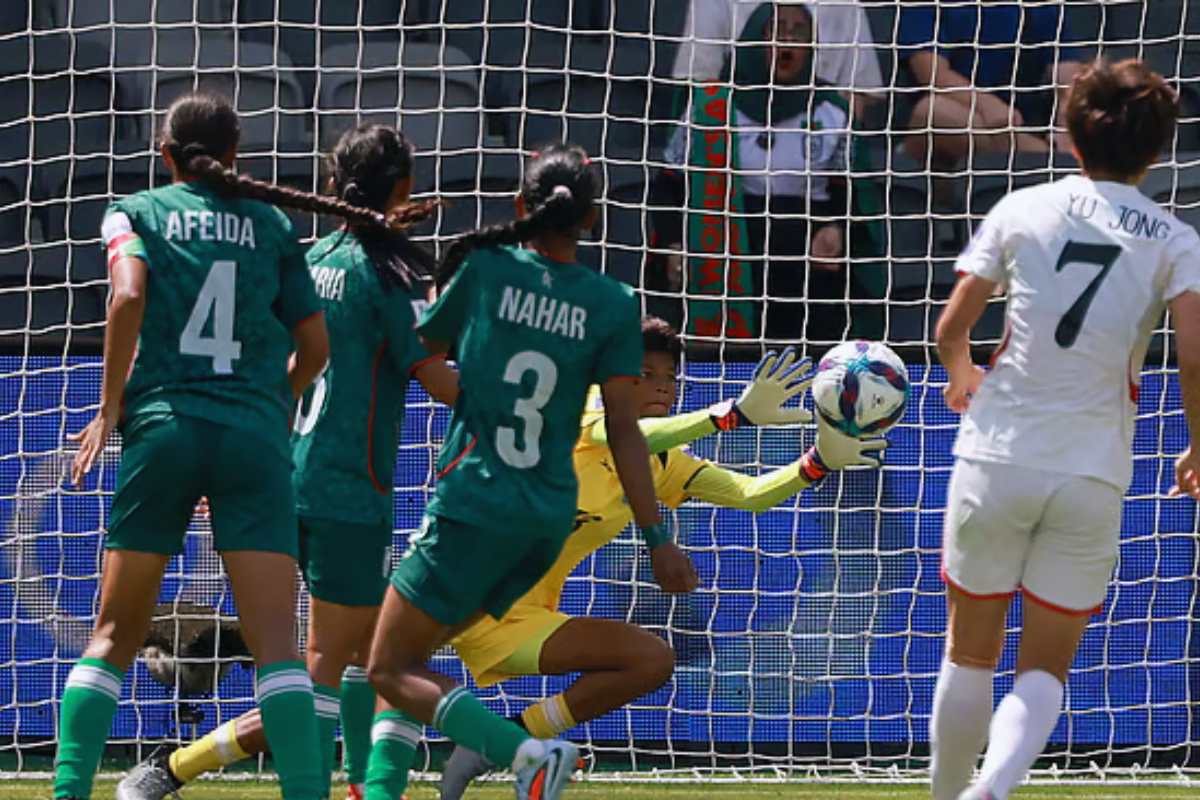
Bangladesh’s women’s football team received a stark reminder of the gulf between emerging sides and Asia’s established powers after suffering a 5–0 defeat to North Korea in their Asian Cup campaign. The scoreline reflected not merely the outcome of a match, but the deeper realities of international competition at the highest level.
When a team prepares for a major continental tournament primarily through a fragmented or modest domestic schedule, it inevitably faces difficulties against elite opponents. Before confronting strong teams such as China and North Korea, Bangladesh ideally needed several preparatory matches against higher-ranked sides. Head coach Peter Butler had reportedly emphasised this necessity to the Bangladesh Football Federation, but such opportunities were limited. The result was a performance that exposed the gap in experience and competitive intensity.
Yet defeats in tournaments of this scale can also serve as valuable lessons. Whether Bangladesh finish the tournament without a victory or manage to defeat Uzbekistan in their final group fixture in Perth on 9 March, the most significant gain may well be the experience of competing beyond the familiar boundaries of South Asian football. Encounters with Asia’s elite provide a clearer understanding of the level of preparation, physicality, and tactical discipline required to compete internationally.
Interestingly, Bangladesh displayed contrasting performances against China and North Korea. In their opening group match against China, the team showed resilience by attempting to neutralise quick counter-attacks, long passes, and dangerous crosses. They even managed to mount occasional attacks of their own. Against North Korea, however, the dynamic was dramatically different.
North Korea dominated proceedings from the outset, systematically dismantling Bangladesh’s defensive structure. The final margin of five goals could easily have been larger—eight or nine would not have been inconceivable based on the pattern of play. The statistical disparity between the two teams underscores the imbalance.
| Match Statistics | Bangladesh | North Korea |
|---|---|---|
| Total Shots | 0 | 31 |
| Shots on Target | 0 | 11 |
| Goals | 0 | 5 |
| Estimated Possession | 32% | 68% |
| Corners | 1 | 9 |
Despite the heavy defeat, Bangladesh’s goalkeeper Mili Akter deserves recognition. Although she conceded five goals, she produced several impressive saves that prevented an even more emphatic scoreline. Her composure and reflexes denied at least five or six additional attempts that seemed destined for the net.
There were also glimpses of defensive determination. Before conceding twice late in the first half, defenders such as Shamsunnahar Sr., Nabira Khatun, Irene Khatun, Kohati Kisku, and Afida Khandakar worked tirelessly to withstand the relentless North Korean pressure. Full-backs Shamsunnahar on the left and Kohati on the right were particularly active in attempting to block attacks originating from the flanks.
North Korea’s pace and fluid movement forced Bangladesh’s midfielders Maria Manda and Monika Chakma to retreat deep into defensive positions for much of the first half. While Bangladesh tried to organise themselves more effectively after the interval, their attacking unit struggled to create meaningful opportunities. North Korea, by contrast, continued to exploit space in the attacking third, converting crosses and long-range efforts into goals.
The disparity in international pedigree is significant. North Korea are ranked 103 places above Bangladesh, who currently sit 112th in the FIFA rankings. They have appeared in four Women’s World Cups and have won the Asian Cup three times in ten appearances. Moreover, they had lost only once in their previous ten matches prior to this encounter.
Against such a formidable opponent, a 5–0 defeat is undeniably disappointing. However, it also provides a moment for reflection. For Bangladesh, the challenge now is to translate these experiences into long-term development—strengthening preparation, increasing exposure to stronger opposition, and gradually narrowing the gap with Asia’s footballing elite.



Comments