Sunday, 5th April 2026

Khabor Wala Desk
Published: 10th February 2026, 5:21 AM
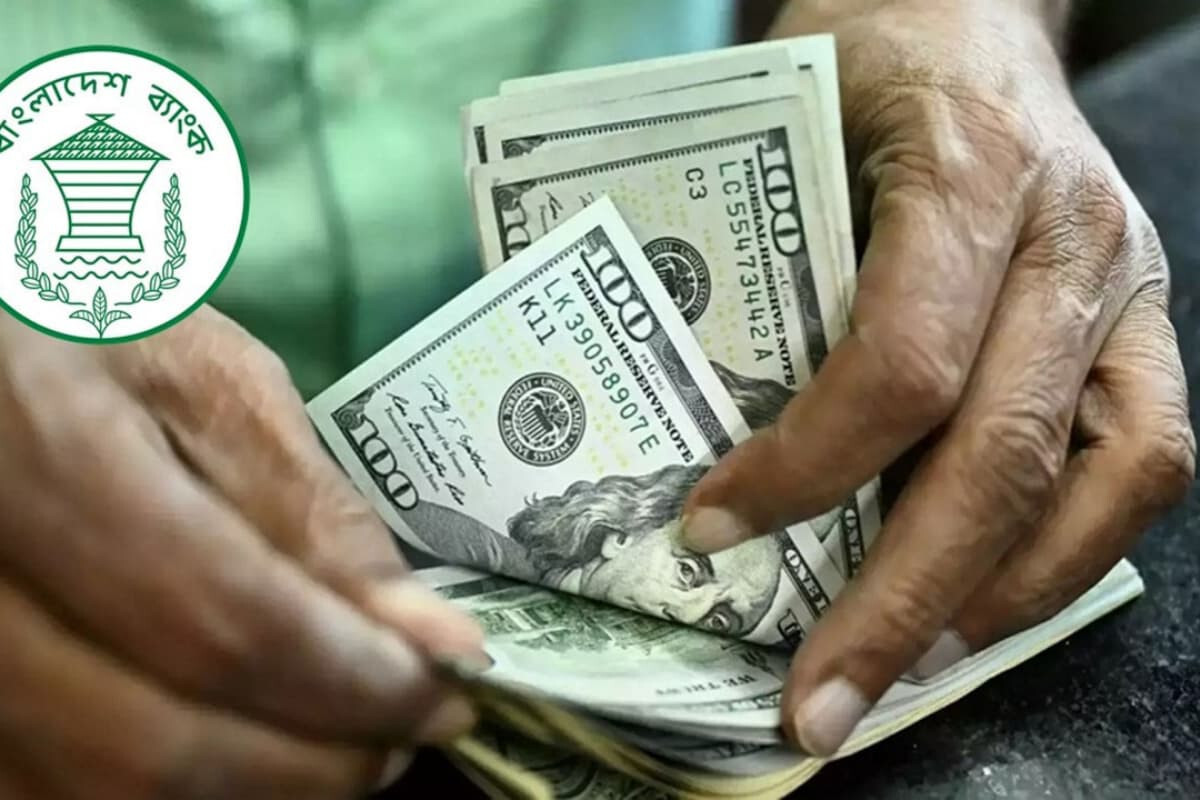
On the eve of Bangladesh’s 13th parliamentary election and the upcoming referendum on 12 February, the nation’s foreign exchange reserves have exceeded the $34 billion mark, signalling a robust economic buffer during a politically sensitive period. Economists and policymakers are hailing this milestone as a strong indicator of the country’s overall financial stability.
Bangladesh Bank Executive Director and spokesperson Arif Hossain Khan confirmed on Monday, 9 February, that a significant driver of this growth has been the increase in remittances from overseas workers. According to recent data, the country’s total foreign reserves now stand at $34.06 billion, while reserves measured under the International Monetary Fund’s (IMF) BPM6 methodology amount to $29.48 billion.
Remittances have played an especially crucial role. In January alone, Bangladesh received approximately $3.17 billion in remittances, and in the first eight days of February, inflows have already exceeded $1 billion. Alongside these inflows, strategic dollar purchases by the central bank and additional sales by commercial banks have contributed to the reserve build-up.
To maintain a balance between remittance inflows and export earnings, as well as to stabilise the exchange rate, Bangladesh Bank continues to purchase dollars from commercial banks. On Monday, 19 banks sold $209 million through the Multiple Price Auction (MPA) system, with a cut-off rate set at BDT 122.30 per US dollar.
Central Bank Dollar Purchases and Reserve Impact
| Fiscal Year | Dollar Purchases by Bank (Billion USD) | Reserve Impact |
|---|---|---|
| 2025–26 | 4.73 | Significant increase |
| 2023–24 | 1.00 | Market stability maintained |
| 2022–23 | 1.00 | Reserve preservation |
| 2021–22 | 1.00 | Limited impact |
Over the past three fiscal years, Bangladesh Bank has sold nearly $34 billion to maintain market liquidity: $7.6 billion in 2021–22, $13.5 billion in 2022–23, and $12.79 billion in 2023–24. During the same period, dollar purchases by the central bank amounted to only $1 billion annually.
Arif Hossain Khan emphasised that current dollar supply has exceeded immediate demand. Unchecked volatility in exchange rates could artificially depress the currency. By actively purchasing dollars, the central bank is ensuring stability, safeguarding the remittance and export sectors, and strengthening the country’s foreign reserves ahead of the elections.



Comments