Saturday, 4th April 2026

Khabor Wala Desk
Published: 21st March 2026, 6:53 PM
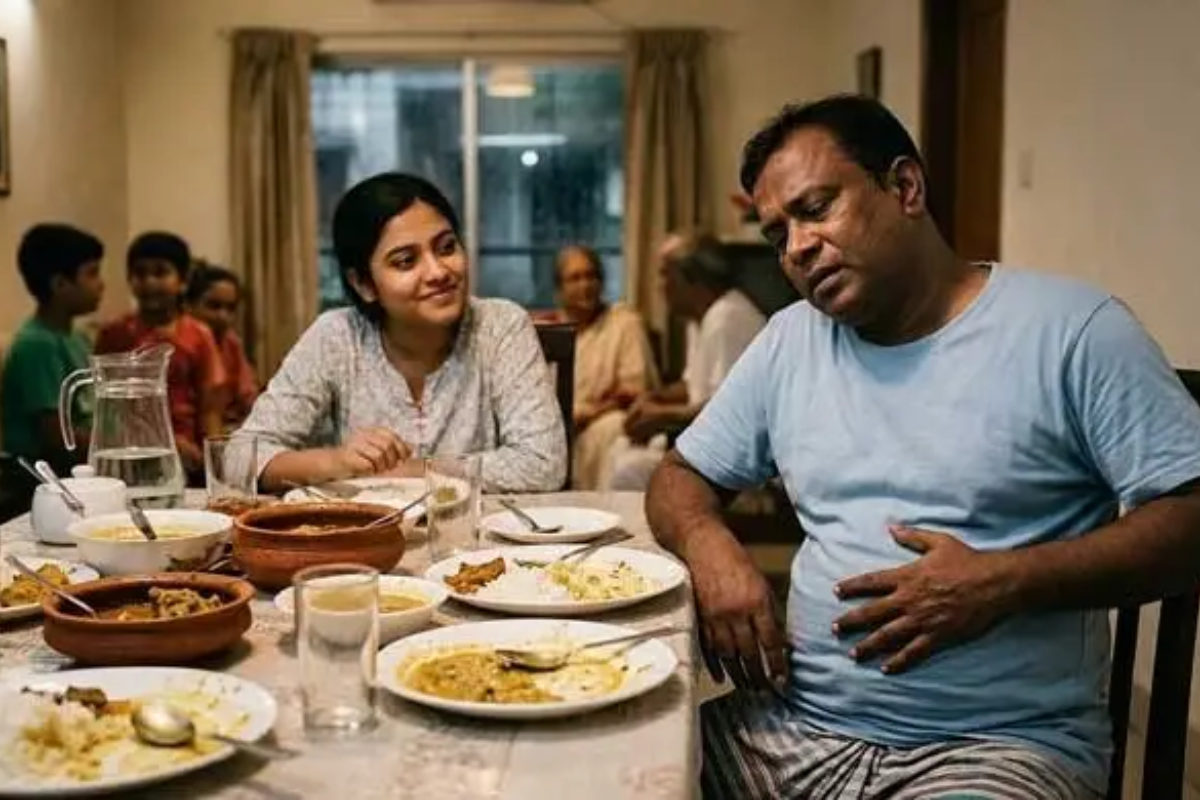
Eid is a time of celebration, family gatherings, and, of course, abundant food. From your own kitchen to relatives’ homes, the festive tables are laden with rich and delicious dishes. However, overindulgence can often lead to uncomfortable sensations such as bloating, heaviness in the chest, or shortness of breath — common after feasting.
Fortunately, there are simple steps you can take to relieve these symptoms and enjoy the festival without distress.
After a long period of fasting during Ramadan, suddenly consuming large quantities of food can stretch the stomach excessively. This slows down digestion, produces excess gas, and causes discomfort in the chest. Acid reflux or heartburn may also occur.
| Avoid After Feasting | Why It Matters |
|---|---|
| Lying down immediately | Increases risk of indigestion and acid reflux |
| Cold or carbonated drinks | Can cause gas and bloating |
| Excessive tea or coffee | Stimulates acid production, worsening heartburn |
| Tight clothing | Adds pressure on the stomach, increasing discomfort |
If discomfort occurs repeatedly, or if there is severe chest burning, vomiting, or intense abdominal pain, it may indicate gastritis or another digestive problem. Immediate medical advice is recommended.
Adopting the habit of “eating small portions more frequently” rather than overindulging in one sitting can significantly reduce the risk of post-Eid digestive issues, allowing you to enjoy the festivities comfortably and safely.




Comments