Monday, 6th April 2026

Khabor Wala Desk
Published: 15th February 2026, 12:39 PM
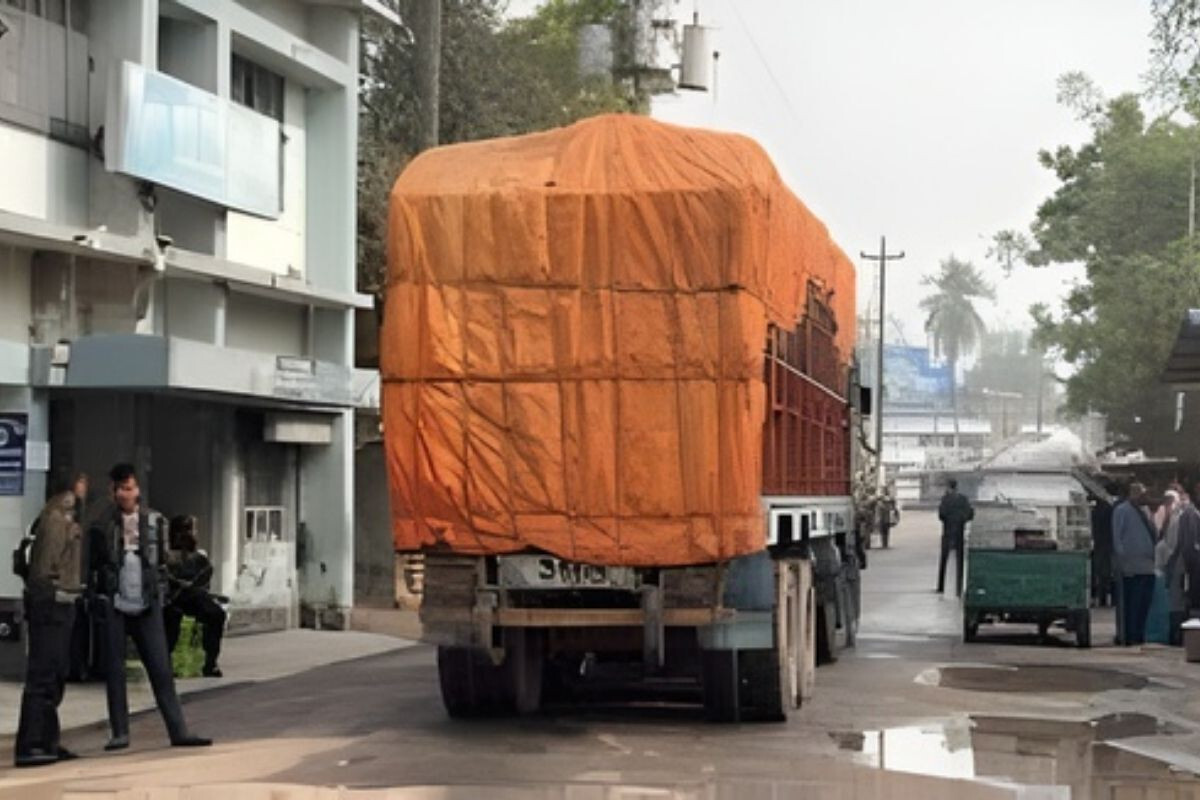
After nearly four years, India has lifted its ban on wheat exports, reopening possibilities for international buyers and reviving hopes for trade through key land ports such as Hili. Importers have already begun preparations to resume wheat procurement from the South Asian nation.
On Saturday, 14 February, the Indian government issued a notification formalising the removal of the export restriction. The ban had been initially imposed on 13 May 2022, citing rising domestic wheat prices as the primary concern.
Dinesh Poddar, a leading importer at the Hili land port, confirmed that the restriction had been lifted. “The government has officially removed the wheat export ban as of 13 February,” he said. “While wheat imported from Ukraine and Russia is currently priced lower, domestic prices in India remain somewhat higher. Therefore, immediate imports from India are unlikely at present.”
Poddar further explained that prices are expected to stabilise once the next harvest season begins. “When new wheat stocks arrive in India in the coming weeks, prices should decrease. This will create an opportunity for importing wheat at more competitive rates and distributing it domestically at affordable prices,” he noted.
The decision is expected to have a significant impact on regional trade, particularly in South Asia, where Indian wheat is highly sought after due to its quality and reliability. Analysts suggest that lifting the ban could provide a much-needed supply boost to neighbouring countries that depend on wheat imports to meet domestic demand.
| Source | Current Price (per tonne) | Notes |
|---|---|---|
| Ukraine | $250–$270 | Prices slightly lower than Indian wheat |
| Russia | $245–$265 | Competitive supply available |
| India (Domestic) | $280–$300 | Expected to decrease after new harvest |
The removal of the ban also signals a shift in India’s trade policy, balancing domestic market stability with the opportunity to engage in international commerce. With no regulatory barriers in place, importers and traders are poised to take advantage of the forthcoming availability of competitively priced Indian wheat.
For Hili port and other key entry points, this development represents both an economic opportunity and a logistical challenge, as infrastructure and storage capacities will need to accommodate the renewed inflow of grain.




Comments