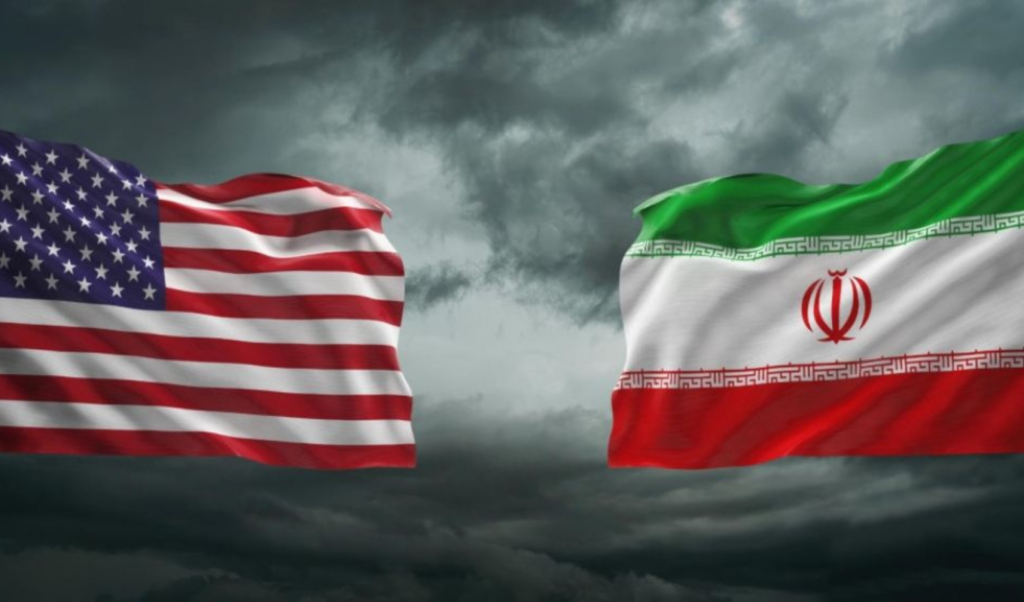
In the aftermath of a temporary halt in hostilities involving Iran, Israel and the United States, a pressing global debate has emerged: who, if anyone, has truly prevailed? While both Washington and Tel Aviv have projected confidence in their strategic gains, Tehran insists that its core capabilities and political structure remain firmly intact. Increasingly, analysts suggest that the answer depends less on battlefield metrics and more on broader political and strategic outcomes.
Redefining victory in modern warfare
Historically, victory in war was measured in territorial gains and decisive military triumphs. However, since the end of the World War II, evolving norms around international law and human rights have reshaped how success is defined. Contemporary conflicts—particularly those characterised as asymmetric warfare—often blur the lines between victory and defeat.
In such conflicts, the weaker side can claim success simply by enduring sustained military pressure without collapsing. Political legitimacy, resilience, and the ability to maintain internal cohesion frequently outweigh conventional military superiority.
Military gains versus political outcomes
From a purely military standpoint, the United States and Israel have reported a series of tactical successes. According to their claims, key Iranian military installations and missile capabilities have been significantly degraded. There have also been reports of disruptions to nuclear-related infrastructure and the targeted elimination of high-ranking military and political figures.
However, these gains appear to fall short of broader strategic objectives.
Washington and Tel Aviv were widely believed to be pursuing two overarching goals: weakening or replacing Iran’s governing system and permanently halting its nuclear ambitions. On both counts, independent observers argue that results remain inconclusive at best.
Comparative assessment of war outcomes
| Dimension | United States & Israel | Iran |
|---|---|---|
| Military strikes | Targeted infrastructure and leadership | Sustained counter-attacks |
| Political objectives | Regime change, nuclear halt (unfulfilled) | Regime stability maintained |
| Strategic positioning | Tactical battlefield advantage | Regional leverage retained |
| Global perception | Criticism over civilian impact | Mixed, but resilience highlighted |
Iran’s strategic resilience
Despite facing sustained military pressure, Iran appears to have achieved several key strategic outcomes.
One of its most significant manoeuvres has been shifting the geopolitical focus towards the Strait of Hormuz—a vital artery for global energy supplies. By elevating tensions in this region, Iran has effectively internationalised the conflict, raising stakes for global markets and compelling broader diplomatic engagement.
Additionally, Iran has demonstrated notable diplomatic agility. During recent negotiations held in Pakistan, Iranian representatives reportedly presented a comprehensive multi-point proposal, signalling both preparedness and confidence in diplomatic bargaining.
Equally important is Iran’s continued emphasis on its doctrine of resistance. Despite sustained attacks, it has maintained operational capacity and launched counter-strikes, reinforcing perceptions that it remains far from strategically weakened.
Reputational costs and global reactions
The conflict has also carried significant reputational consequences. Reports from the United Nations and various human rights groups have raised concerns over civilian casualties and alleged strikes on non-military targets, including schools. Such developments have drawn criticism and arguably undermined the moral authority often associated with Western democracies.
At the same time, Iran’s own actions—particularly incidents affecting regional energy infrastructure—have strained its relations with neighbouring Gulf states. These tensions could pose longer-term diplomatic challenges for Tehran.
A complex and unresolved outcome
Taken together, the evidence suggests a nuanced outcome. While the United States and Israel may have secured limited tactical advantages on the battlefield, they appear to have fallen short in achieving their broader political ambitions. Iran, meanwhile, has managed to preserve its शासन structure, sustain its strategic posture, and project resilience under pressure.
Yet, in the complex landscape of modern conflict, definitive conclusions remain elusive. The interplay of military, political, and diplomatic factors means that the ultimate outcome may only become clear over time.
For now, the conflict stands as a stark illustration of how victory in contemporary warfare is no longer defined solely by firepower, but by endurance, influence, and the ability to shape the narrative long after the guns fall silent.