Sunday, 5th April 2026

Khabor Wala Desk
Published: 30th January 2026, 11:54 PM
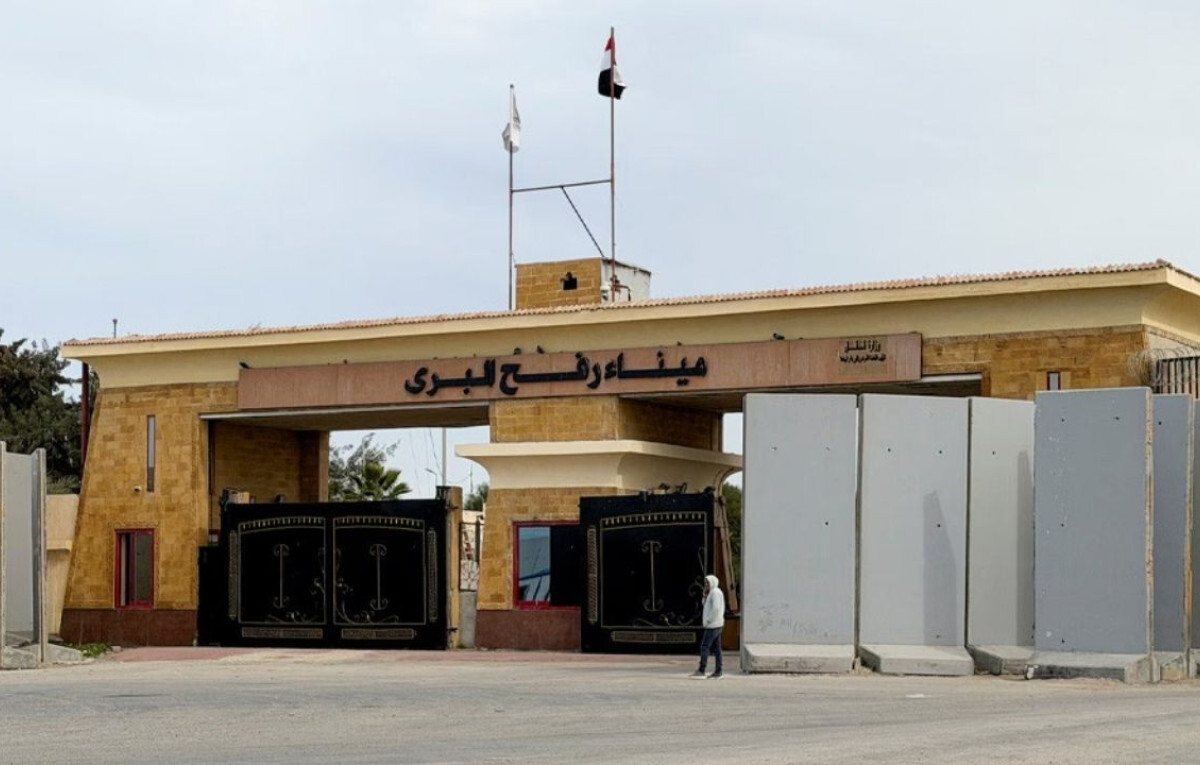
Following protracted appeals from the United Nations, international humanitarian agencies, and the Palestinian populace, Israel announced on Sunday that it will partially reopen the Rafah Border Crossing. This vital artery between the Gaza Strip and Egypt is set to resume operations, albeit strictly for the “limited movement of persons.”
The decision to unlock the gates comes after a period of intense diplomatic stalemate. Previously, the Israeli government maintained a steadfast refusal to reopen the passage until the remains of the final hostage held in Gaza, Ran Gvili, were returned. Earlier this week, Israeli forces successfully recovered his body, and his funeral was conducted in Israel on Wednesday.
The reopening also aligns with broader geopolitical shifts. On Friday, Hamas called for an immediate transition into the “second phase” of a US-mediated ceasefire agreement. This phase includes provisions for reopening the Rafah gateway and the introduction of a Palestinian technocratic committee tasked with the civil administration of the territory.
The Coordinator of Government Activities in the Territories (COGAT), the Israeli Defence Ministry body overseeing civilian affairs in the Palestinian territories, clarified that the reopening is not a return to normalcy. Operations will be subject to stringent security measures and international monitoring.
| Operational Detail | Status/Requirement |
|---|---|
| Opening Date | Sunday |
| Direction | Both ways (Entry and Exit) |
| Permitted Traffic | Limited movement of pre-authorised individuals |
| Security Prerequisite | Prior security clearance from Israeli authorities |
| International Oversight | Monitored by European Union Border Assistance Mission (EUBAM) |
| Coordination | Managed in direct conjunction with Egypt |
Located on Gaza’s southern frontier with Egypt, the Rafah Crossing is the enclave’s only exit point that does not directly transit through Israeli territory. Since Israeli forces seized control of the “Philadelphi Corridor” in May 2024, the crossing has remained largely dormant, severely obstructing the flow of medical evacuations and humanitarian aid.
Despite the withdrawal of Israeli forces behind the so-called “Yellow Line” as stipulated by ceasefire terms, the area remains under the de facto military control of the Israel Defence Forces (IDF), who currently maintain a presence in over half of the Gaza Strip.
The international community remains cautiously optimistic. While previous initiatives to restore the crossing have failed to materialise, the involvement of the European Union mission is seen as a crucial step toward establishing a sustainable, neutral management framework for the border.


Comments