Sunday, 5th April 2026

Khabor Wala Desk
Published: 18th March 2026, 8:39 AM
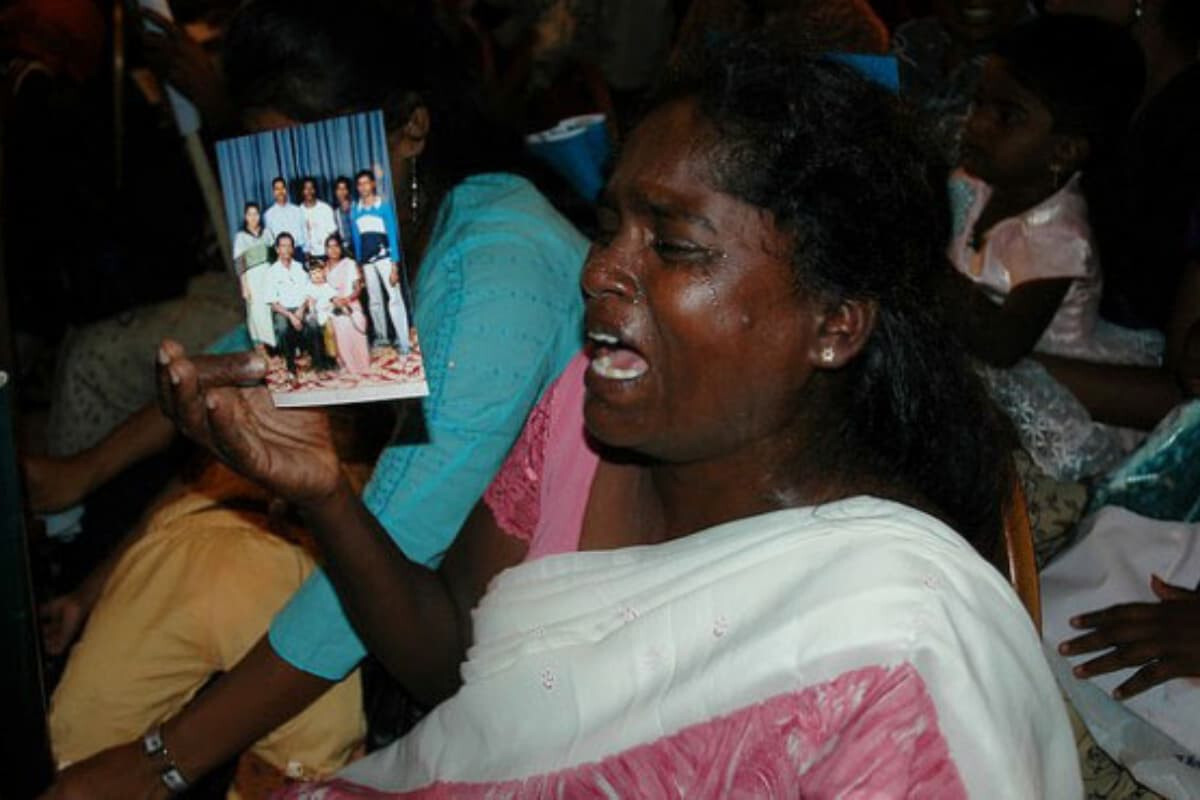
Newly declassified Israeli government archives reveal that Israel played a significant role in supporting Sri Lanka’s military during the country’s brutal civil war in the 1980s, despite the absence of formal diplomatic relations. Sri Lanka had severed ties with Israel in 1970 under pressure from Arab states, yet, nearly a year after the civil war began, an Israeli “Interests Section” was established in Colombo in 1984 within the U.S. Embassy.
The documents, partially released from the Israel State Archives, cover the mid-1980s and confirm previously reported details while shedding light on new aspects of Israeli involvement. They indicate that the Sri Lankan government sought Israel’s assistance specifically to combat Tamil insurgents, with military supplies, training, and advisory support playing a central role.
By 1988, Israel had supplied Sri Lanka with military equipment worth approximately $30 million, including patrol boats, submachine guns, electronic fences, communications systems, and ammunition. Israeli trainers also instructed the President’s personal security team, as well as the country’s military forces, sometimes under the cover of “agricultural advisers.” Reports show that small Israeli teams were credited with significantly enhancing Sri Lanka’s operational capabilities in the north, particularly in Jaffna.
Israeli involvement extended to specialised police units notorious for violent methods. Despite knowledge of human rights abuses—including enforced disappearances and indiscriminate attacks on Tamil civilians—Israeli advisors continued to provide training and materiel.
Declassified communications suggest Israel’s aid was driven by strategic interests, including the potential restoration of full diplomatic relations with Sri Lanka and fostering influence within the government. Requests for election-related support from Sri Lankan officials were recorded, though no evidence confirms Israeli financing. Diplomatic cables indicate concern over public perception, with Israeli officials aware that their assistance might be viewed as supporting anti-Tamil operations.
| Year | Type of Support | Details | Approx. Value |
|---|---|---|---|
| 1984 | Diplomatic presence | Establishment of Interests Section in Colombo | N/A |
| 1985 | Naval equipment | Six Dvora-class fast patrol boats | $1 million |
| 1986 | Small arms | Mini-Uzi submachine guns | Not specified |
| 1986 | Security training | Shooting course for President’s bodyguards (30 personnel) | Not specified |
| 1987 | Military training | Israeli trainers disguised as agricultural advisers for army | N/A |
| 1987 | Communications & security | Electronic fences, machine guns, ammunition | Part of $30 million total |
| 1987–1988 | Police training | Special Task Force (VIP security unit) | Not specified |
Cables reveal that Israeli officials were aware that the Special Task Force and other units committed serious human rights violations, yet military assistance continued. Israeli diplomats frequently reported on mass killings, disappearances, and attacks on civilians, acknowledging the limited prospects for a purely military resolution to the conflict. Nevertheless, they concluded that continued support was strategically advantageous.
Declassified archives thus portray a complex picture: Israel knowingly provided weapons, training, and strategic advice to Sri Lanka, balancing diplomatic ambitions with ethical concerns, while contributing materially to the government’s efforts against Tamil insurgents during one of the most violent phases of the civil war.

Comments